The Thread
Over-ear headphones are being repositioned as fitness equipment for people who dislike earbuds. The recent coverage of the Beats 360, from Engadget and The Verge, keeps returning to the same idea: a full-size headphone can now be sold on durability, sweat resistance and replaceable ear cups rather than only on sound quality or status. Design decisions that once belonged to sport earbuds are migrating upward into flagship over-ear models.
Sweat Resistance Moves Upmarket
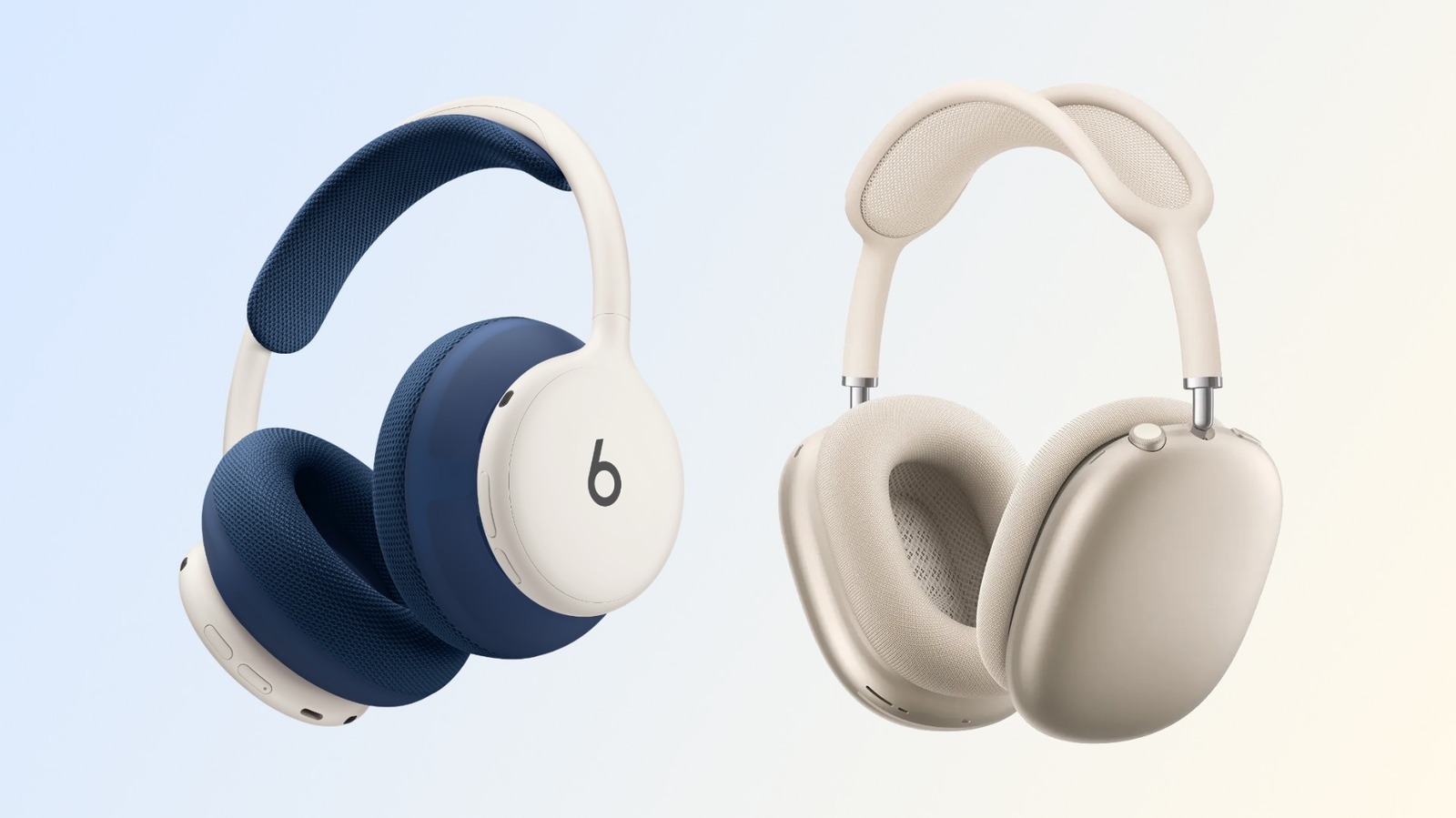
The Verge's gym-focused piece is the clearest statement of the shift. It notes that the Beats 360 are durable and built to withstand sweat, with water resistance and swappable knit ear cups, and frames them as the pair to bring to the gym if earbuds are not an option. That is a meaningful reframing. Water resistance has long been a checkbox for earbuds aimed at runners, not for large headphones sold partly as fashion objects.
Engadget's comparison of the Beats 360 with the AirPods Max 2 treats design, comfort and features as the axes that decide which pair is right for a buyer. Comfort matters more when a device is expected to survive movement and moisture, not just sit on a desk or a commute. The Beats 360's swappable knit ear cups speak directly to that wear-and-tear problem: the part that touches skin and absorbs sweat is the part that can be replaced.
For US consumers, this is a practical change. Someone who wants one pair of headphones for commuting and for the gym has historically had to compromise. The new framing suggests vendors are trying to remove that compromise rather than asking buyers to own two devices.
The Earbud Rejection Is a Real Market
The Verge's headline is blunt about the audience: the Beats 360 are what that writer would bring to the gym if they hated earbuds. That is not a niche joke. It describes a durable consumer preference. Some people find in-ear designs uncomfortable, unstable or simply unpleasant, and they have been poorly served by fitness audio.
Beats has a specific history here. The Verge's piece observes that people at the gym or running around their neighborhood are often wearing headphones that were never designed for workouts, and that those headphones are quite often Beats. That is an unusually candid way of saying the installed base already uses the brand in ways the product line did not officially support. The Beats 360 reads as an attempt to meet that behavior with engineering instead of leaving it to chance.
US technology companies should read this as demand discovery. The habit existed before the product. The product is catching up.
Design Authority Becomes a Selling Point
Engadget's interview with Beats VP Oliver Schusser is about how the Beats 360 were designed and what to expect in the future. The inclusion of that piece alongside a comparison and a gym review shows how the company wants the product understood: as a deliberate design outcome, not an incidental refresh.
For a US audience, industrial design credibility is a competitive asset in wearables. Fit, materials and serviceability are hard to copy quickly and hard to fake in reviews. Swappable knit ear cups are a small specification with a large implication: the product is expected to be used hard and maintained, not discarded when the soft parts degrade.