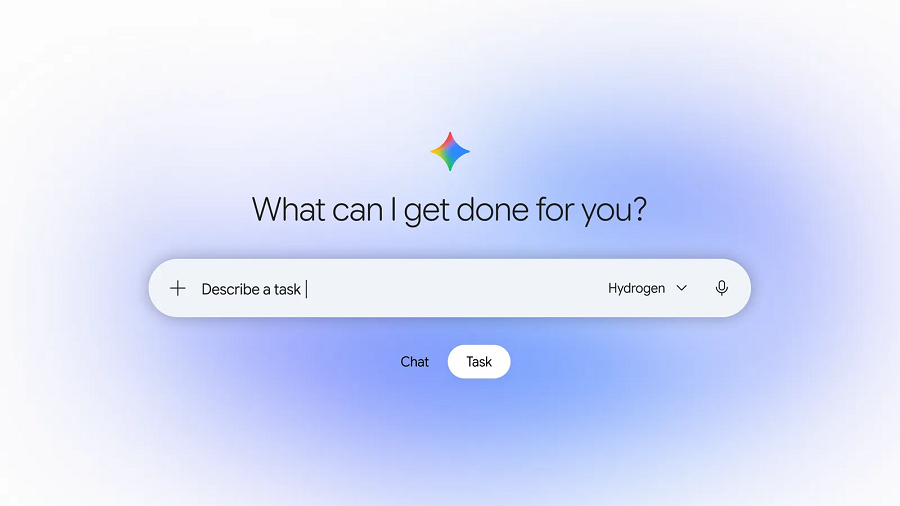
The apps logged on this beat share one underlying move: software is leaving the rectangle it lives in. IconSwapper pushes live data out of the app and onto the Mac's own icons, Meta Quest is selling 3D film inside a headset TV app, and Google Gemini is being applied to the static on firefighter radios. In each case the application stops being a destination and becomes a layer over something the user already looks at - a desktop, a living room, a field radio - and that is the thread worth taking seriously for US app makers.
The interface is being pushed outward
IconSwapper, as TechCrunch reported, lets a Mac's app icons carry real-time data, animations and customization. That is a small feature with a larger implication: the app is no longer only what happens after you click. The information surfaces on the desktop before the user opens anything, which means the icon itself becomes a product surface.
This is not new in principle - weather widgets and menu-bar utilities have done limited versions of it - but it is a notable direction for third-party developers on Apple's platform. When a third-party app can animate and populate the icons the operating system displays, the boundary between the app's own screen and the system's chrome gets thinner. For US developers, that is a distribution question as much as a design one: presence is no longer measured by launches, but by time spent visible without a launch at all.
Immersion is becoming a storefront
Meta's addition of 3D movie purchases and rentals to its Quest TV app, reported by Engadget, is a different expression of the same idea. The headlined title is a Billie Eilish 3D concert experience co-directed by James Cameron. The format matters less than the placement: film is being sold inside the headset's own television app, not imported from a separate storefront the user has to think of as distinct.
The consumer-facing appeal is straightforward for US buyers - a concert film and 3D rentals are content people already understand, presented in a device that has struggled to explain what it is for. The strategic point is that the headset is being positioned as a place where existing media categories simply work. That is the more defensible route than inventing new categories, and it puts Quest's storefront in more direct competition with the television apps Americans already pay for.
Applied AI is finding unglamorous customers
The Gemini and Watch Duty work, as CNET reported, involved months of training with firefighters in the field before the app could decode distorted radio signals in real time. Of the three stories, this is the one with the clearest test of whether the technology is actually useful. The output is not a chat interface; it is clearer audio for people whose work depends on hearing it.
That framing is instructive for US technology companies building AI features into apps and services. The training period is the story: months in the field, with the people who will use the tool, before a real-time capability was viable. For app makers, the lesson is that applied AI of this kind is a services problem as much as a model problem - the integration, the domain knowledge and the field testing are where the product is made. And the customer is a public-safety audience, not a consumer one, which is a reminder that the most consequential app deployments are often the least visible.