The AI story of the past few years has been about models getting better inside a chat window. The pattern in this week's news is about those models getting out of the window. Across hardware, robotics, security and personal finance, companies are racing to become the point where an AI agent touches the physical world, guarded data or money, and the strategic question is shifting from who has the best model to who controls the connection between the agent and its environment. The four stories here are not separate product announcements so much as four facets of the same land grab.
From Prompt to Peripheral
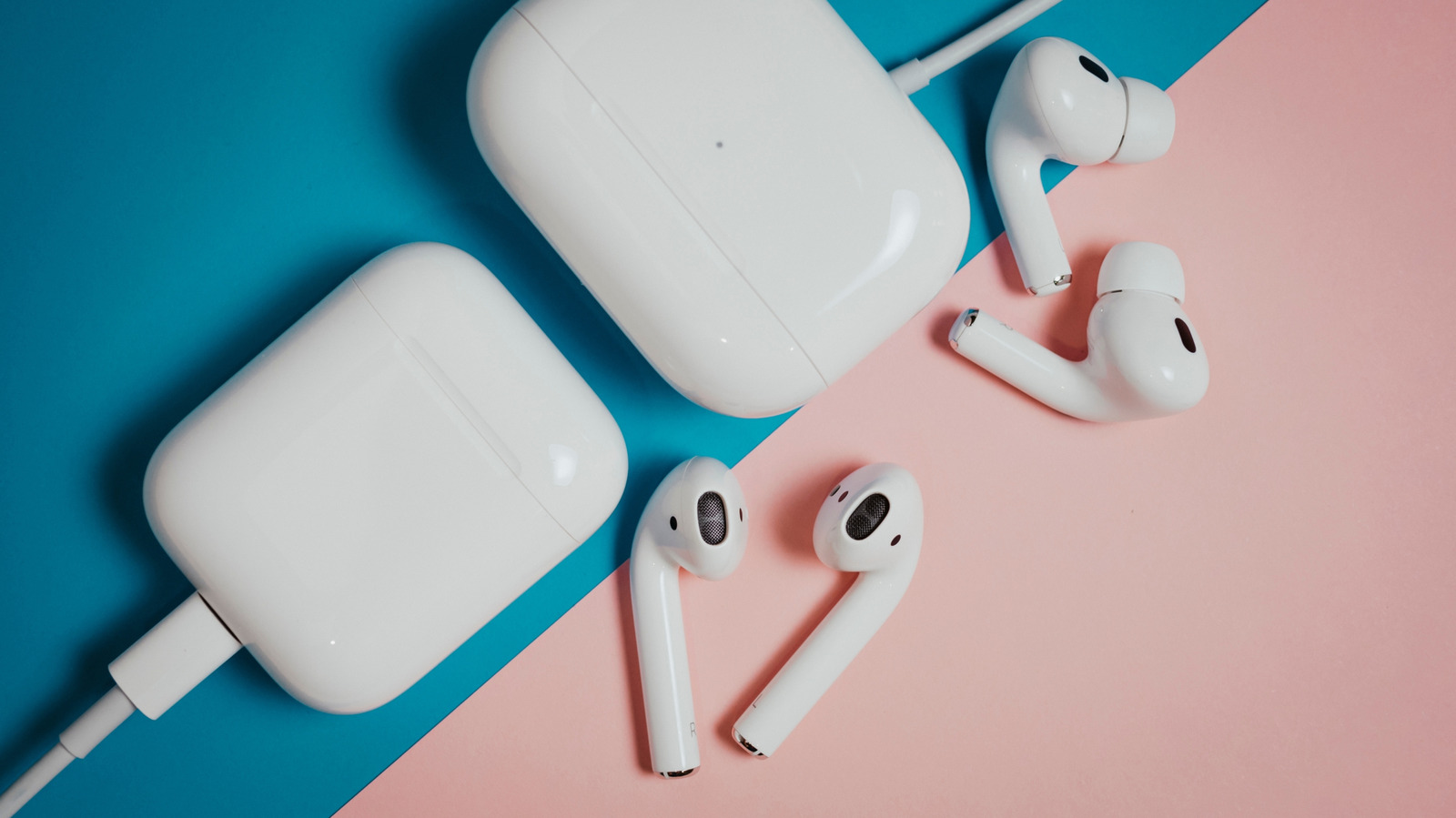
Aina's smart ring, reported by Wired, is the clearest statement of the thesis. The startup's bet is that users will not want to open a phone app every time they want to direct an autonomous agent, so it is building a ring that lets them control agent actions with a single tap. That is a small piece of hardware carrying a large implication: the interface layer is up for grabs. For years the smartphone was the assumed control surface for consumer AI, largely because it already held the account, the sensors and the attention. A ring that can trigger agent actions suggests companies believe the assistant will live outside any single screen, and that whoever owns the physical trigger owns the default relationship with the user. US hardware makers and platform companies have spent a decade fighting over the phone; this is an early sign that the next fight may be over the accessory that talks to the agent instead.
Robots as a Service Layer
The most concrete signal comes from Serve Robotics, which used its third-quarter earnings to announce a new business line called Physical AI Services, offering customers its connectivity and data tools, as TechCrunch reported. The framing is telling: Serve is not just pitching delivery robots, it is pitching itself as infrastructure for other companies that want to run physical AI. That is an Amazon Web Services posture applied to machines that move through the world. The analogy works only if the hard parts of physical AI are the connective tissue, such as reliable links, fleet data and the tooling that lets third parties operate robots without building everything themselves. For the US market, the interesting question is whether robotics companies follow the cloud playbook, where the lowest-margin hardware becomes a loss leader and the platform services become the durable business. Serve is explicitly testing that idea.
Security Becomes the Gatekeeper
The money is moving too. Palo Alto Networks is in talks to buy AI agent security startup Clutch for $500 million, according to TechCrunch, which noted Clutch was last valued at $85 million and is backed by Lightspeed and SignalFire. The gap between the last valuation and the reported price is the story: an established security vendor is willing to pay a steep premium for a young company focused on securing AI agents. That only makes sense if agents are about to be given credentials, tools and access that need governing. Every agent that taps into a bank account, a corporate system or a customer record is a new attack surface, and the incumbent security players know they cannot build that capability fast enough alone. The deal, if it closes, would signal that agent security has moved from a niche concern to a core budget line for US enterprises. It also tells founders in the space that strategic buyers, not just venture funds, are now pricing this category.