The buildout of AI computing capacity is no longer a purely engineering and capital problem. In the same news cycle, a Chinese developer delivered the first 120MW of an 800-megawatt AI campus, while US voters backed data-center restrictions in nearly every ballot measure they faced and sent at least one data-center opponent to Congress. The thread running through these stories is a growing mismatch: the hardware supply chain is scaling at industrial speed, while the US political and permitting environment that hosts it is turning skeptical. That mismatch now sits directly on the GPUs and AI hardware beat, because every megawatt deferred is a rack of accelerators unsold or idled.
The compute race is now measured in megawatts
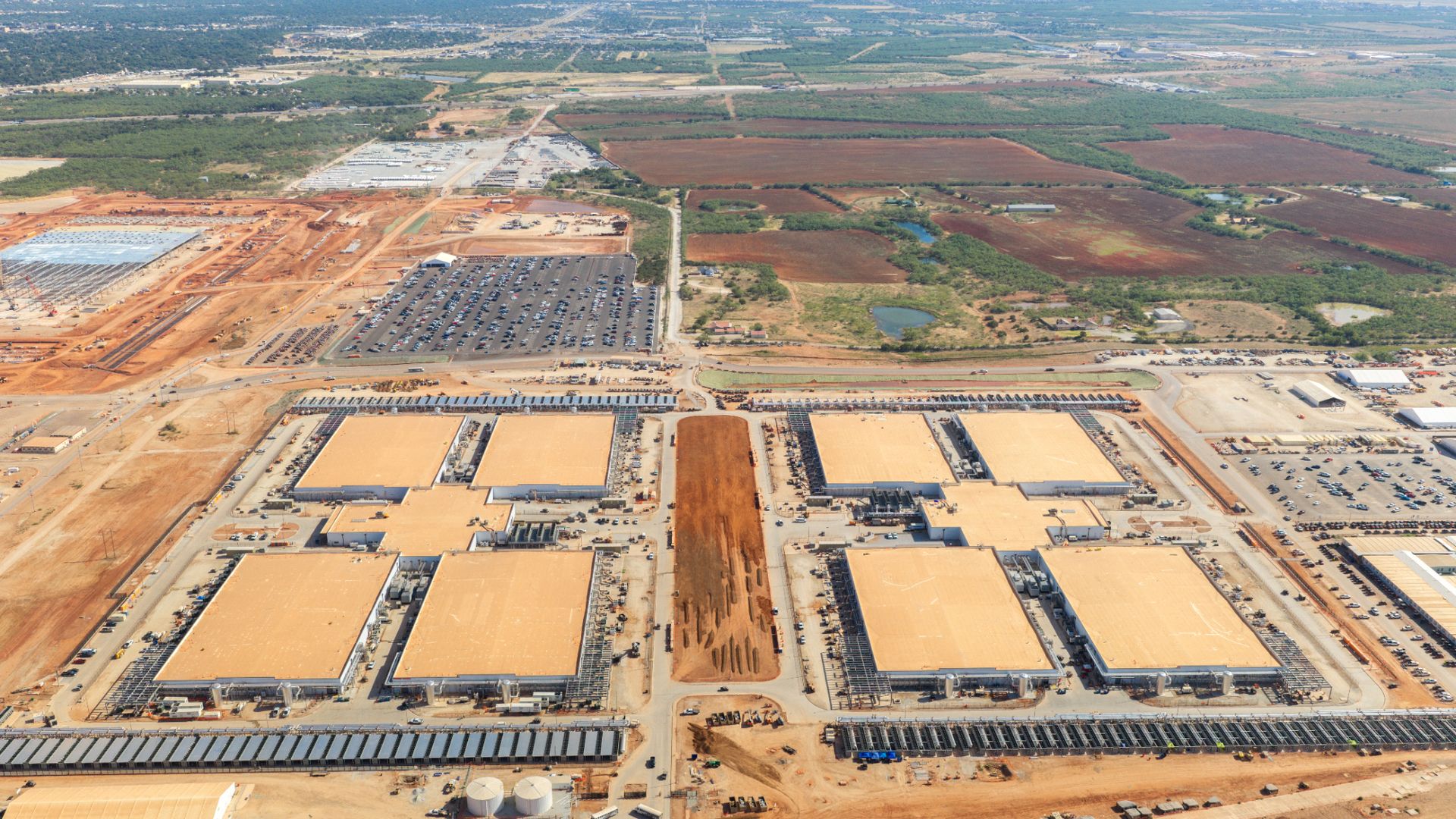
The most concrete data point comes from China, where Envision has delivered the first 120MW of its Galaxy AI datacenter in under a year, part of an 800-megawatt campus built to rival the US Stargate project, as Tom's Hardware reported. The design combines wind farms, battery storage and an unconventional cooling system intended to cut costs and keep power-hungry servers running. For US hardware companies, this is not an abstract geopolitical story. It describes a competitor that treats power procurement, generation and cooling as part of the same product as the compute itself, and it moves from announcement to energized capacity on a schedule measured in months. A campus that can be staged in 120MW increments is a campus that can absorb accelerators almost as fast as they ship.
The demand signal is intact
Nothing in the logged stories suggests AI compute demand is softening. The Chinese buildout is explicitly framed as an effort to rival a US project of comparable ambition, which implies both sides still see massive capacity as strategically necessary. For US GPU makers and their suppliers, that is the reassuring half of the picture: the appetite for training and inference capacity has not gone away, and the competitive logic pushing capacity upward remains in force. The tension is not whether the hardware is wanted. It is where the hardware is allowed to plug in.
The US political environment has turned
The second half of the picture is domestic. Will Lawrence beat better-funded opponents in the race to represent Michigan's 7th District, and the representative-elect is now laying out plans to fight for a federal data center moratorium, as Wired reported. Separately, TechCrunch reported that voters weighed in on 41 data center-related ballot measures on Tuesday, and in all but one the majority voted to impose more restrictions on data center development. The same outlet noted that even where data centers were not directly on the ballot, the issue surfaced anyway. Read together, these are not isolated local disputes. They describe a consistent, measurable preference across many jurisdictions, expressed through the ballot box rather than through permitting hearings that hardware companies have historically been able to navigate.