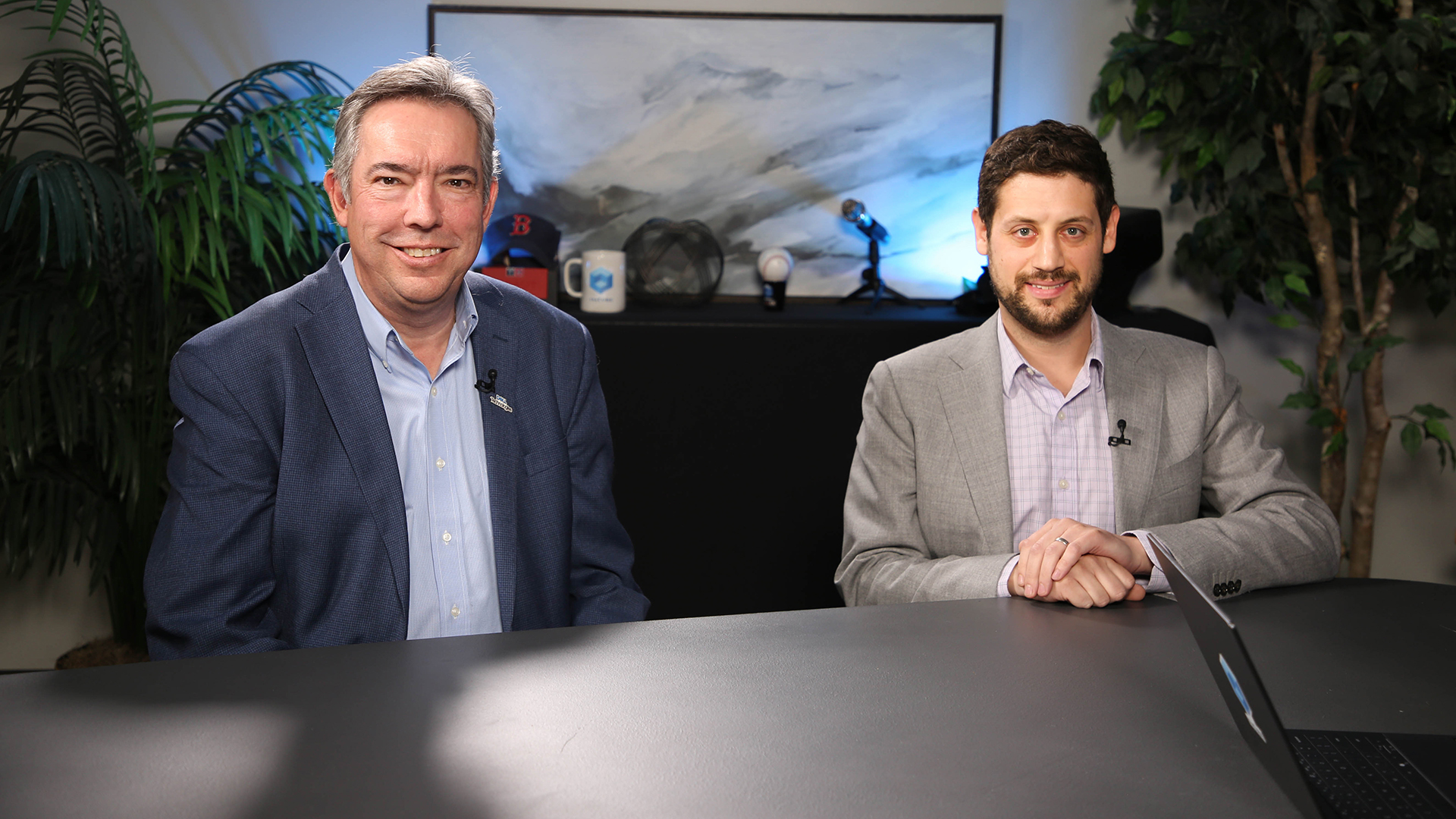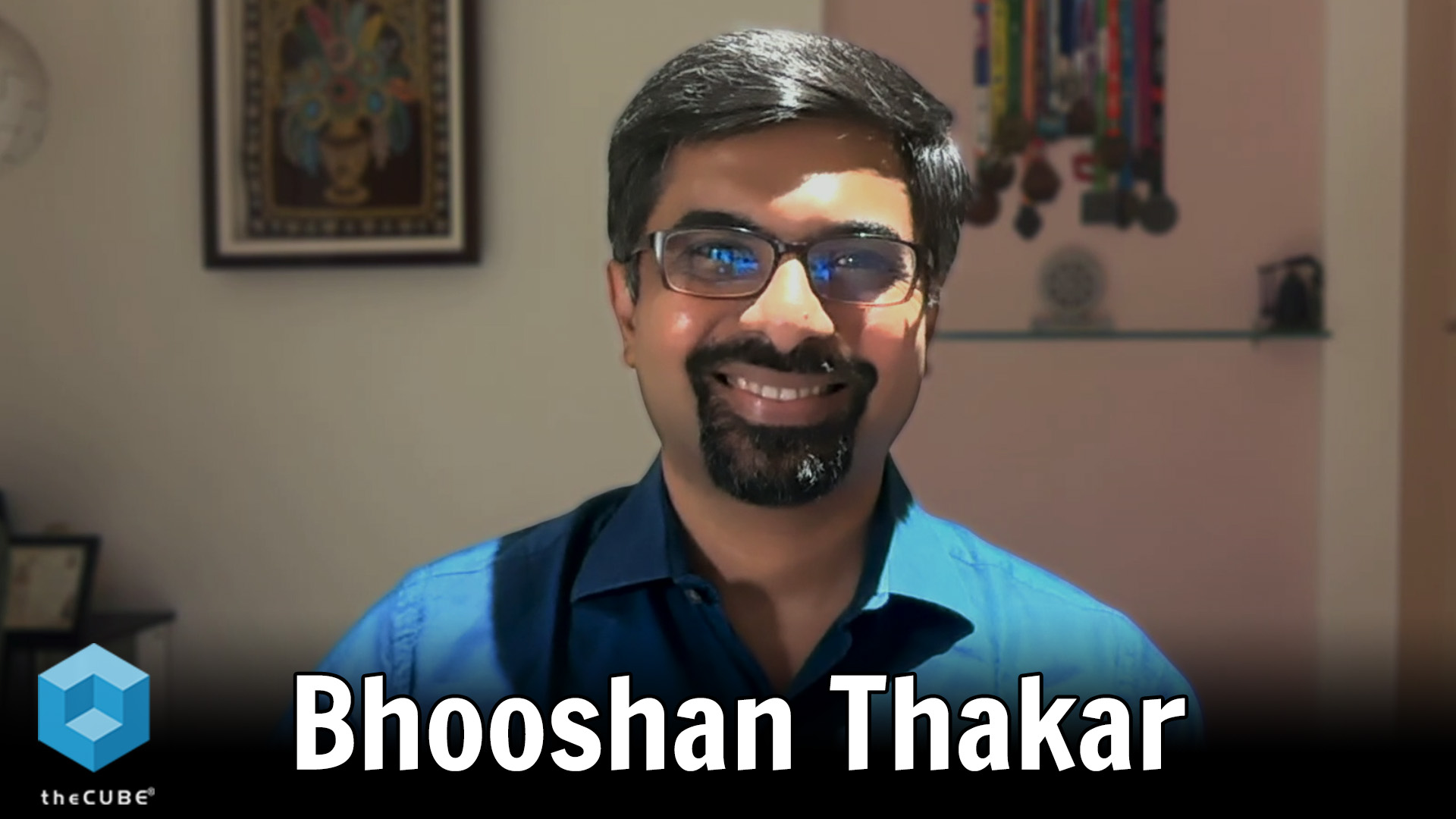
InfoScale is urging enterprises to treat operational resilience as a continuous requirement rather than a recovery exercise, arguing that restored servers and data do not by themselves let a business keep running after a disruption. Bhooshan Thakar, senior vice president and general manager of InfoScale at Cloud Software Group Inc., said the distinction matters more as attackers use AI to scale their campaigns and companies push automation into critical processes. He spoke with theCUBE's Krista Case for the AI Cybersecurity and Resilience Summit in an exclusive broadcast on theCUBE, SiliconANGLE Media's livestreaming studio.
Thakar said traditional disaster recovery still protects servers, storage and networks one component at a time, which leaves the operational state of the business unprotected. In his view, infrastructure can survive while the operational state does not, and the central question for a business becomes whether it can continue to operate with confidence. He framed resilience as maintaining trust in that operational state.
The pace of change is part of the problem, according to Thakar. Enterprises that once ran a planned failover every six months now patch business-critical applications daily or weekly against security threats, and AI is accelerating that cycle. Cloud Software Group, InfoScale's parent company, joined Anthropic PBC's Project Glasswing in June to use the Claude Mythos Preview model for security work. Thakar said disruption is no longer an if but an always, so organizations must plan for both planned and unplanned events.
Public cloud can create a false sense of security, he said. Application owners often assume cloud service providers guarantee their resilience, but business applications are multitiered stacks whose layers depend on one another, so a failure or corrupted data at any layer stops the business even when infrastructure reports as healthy. Thakar said the fine print of provider guarantees covers resiliency of the cloud, while resiliency in the cloud remains the application owner's responsibility.
InfoScale's approach is to run a resilience platform alongside live applications rather than act only after a failure. Such a platform tracks dependencies, runtime states and data integrity, while real-time replication and immutable checkpoints let teams return quickly to a trusted good state. Thakar argued that a decade of spending on prevention and recovery has left a gap, describing prevention as leaky and recovery as too slow.
Measurement also needs to change, he said. Downtime now brings regulatory exposure alongside financial loss and customer churn, so instead of tracking time to restore a virtual machine he suggested measuring how long it takes to reach the first validated, clean business transaction after an active disruption. Thakar said security and information officers are no longer asking vendors how fast data can be restored after an outage, but how a platform guarantees a mission-critical application keeps running through an active disruption.
More hardware news from TechManNews.