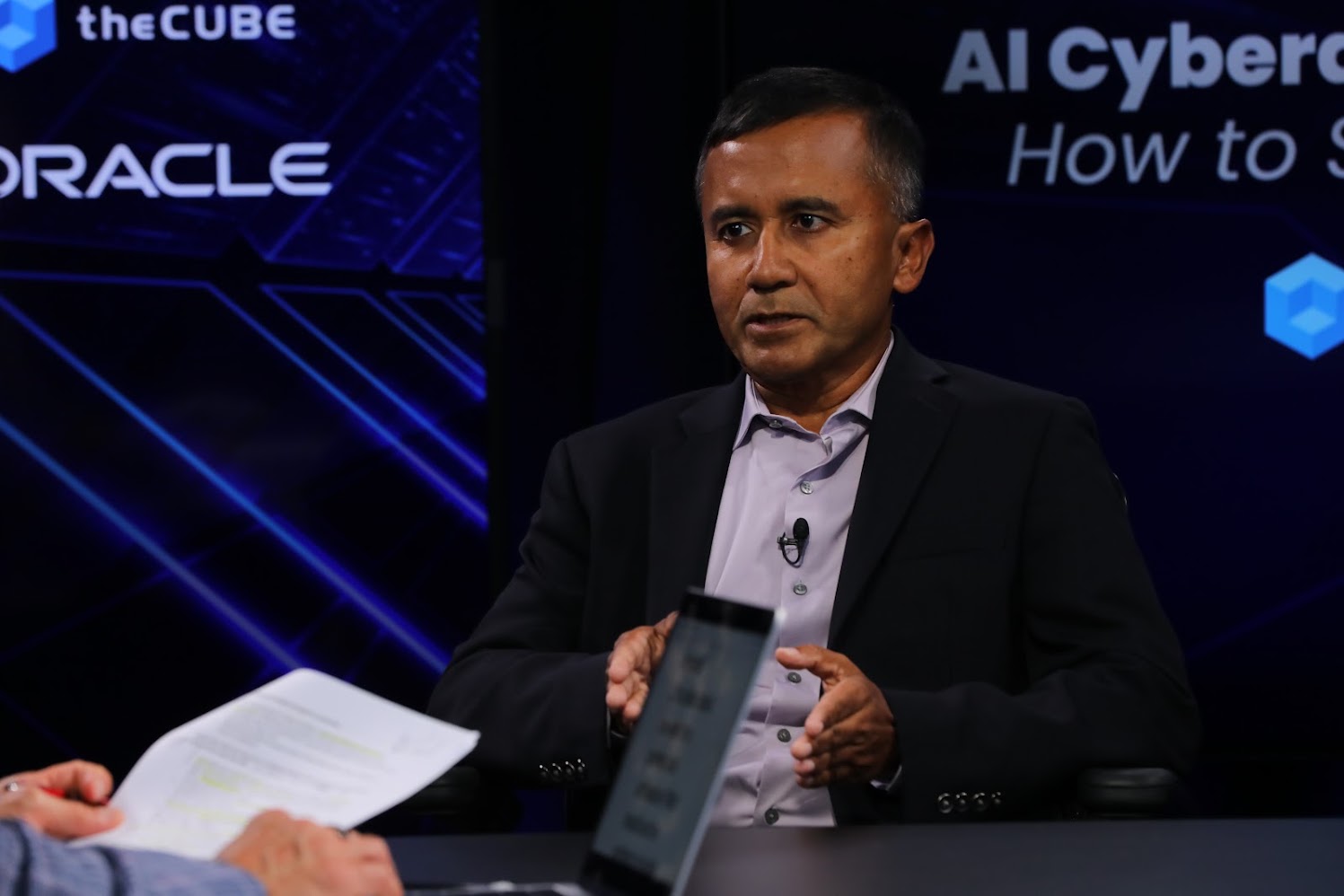
Oracle is positioning its resilient data architecture as a defense against ransomware attacks that target not only production systems but backups as well. Ashish Ray, senior vice president of Oracle Database product management, described the approach during an interview at Oracle's AI Cyberattacks Are Escalating: How to Secure Your Data Now event. The discussion aired as an exclusive broadcast on theCUBE, SiliconANGLE Media's livestreaming studio.
The architecture combines Oracle Exadata, security features built into Oracle AI Database, and data protection technologies enabled by Zero Data Loss Recovery Appliance. Ray said backups must run on a separate system with distinct controls, ownership and network segregation, alongside immutable backups and data encryption. Those elements, he said, come together as part of Oracle's resilient data architecture.
Ray emphasized that recovery must reach a known valid transactional state, a capability he called trusted resilience. He said the technology can mark state at a highly granular point and return to it without data loss. In his view, that precision is what distinguishes trusted data resilience from simple backup.
Oracle's Recovery Appliance validates backup integrity as data is ingested and continuously checks recoverability, according to the article. That process is intended to surface corruption or missing recovery data before an administrator attempts a restore. The appliance therefore addresses a gap between believing data is protected and confirming it can actually be used.
Ray compared backups that cannot be validated to Schrödinger's data, saying an organization cannot assume a backup is sound until a restore is attempted and the data proves usable. Underlying corruption or failed validation checks may only become apparent at that moment. The risk, he said, is discovering the problem when recovery is already underway.
The event, sponsored by Oracle, was covered by theCUBE as part of SiliconANGLE's reporting. The article notes that theCUBE is a paid media partner for the event and that neither Oracle nor other sponsors have editorial control over content on theCUBE or SiliconANGLE. The story was published on Sept. 30, 2026, under SiliconANGLE's cybersecurity desk.
More cybersecurity news from TechManNews.