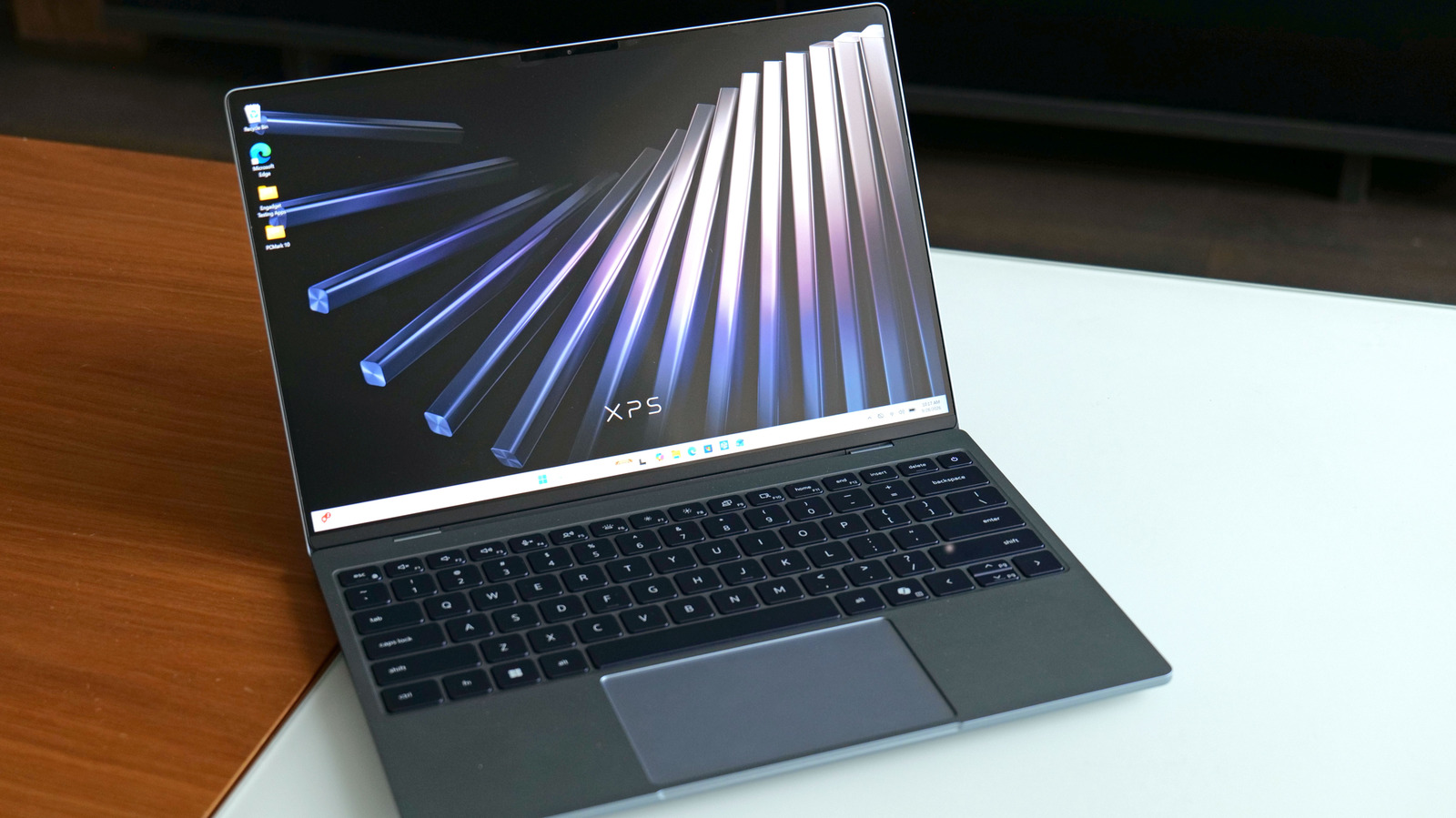
Dell's revived XPS 13 delivers markedly better performance when configured with 16GB of memory instead of the 8GB fitted to the $700 base model, according to testing by Engadget's Sam Rutherford. The findings point to a broader constraint for US buyers of Windows 11 laptops in 2026: 8GB of RAM leaves little headroom for everyday software, while the same machine with twice the memory runs faster and lasts longer on a charge. Both configurations Rutherford tested used the same Intel Core 5 320 chip and 512GB solid-state drive, isolating memory as the variable.
Rutherford reported that a 16GB test unit sat at 56 percent memory utilization at first boot with no other applications open, a figure that fell to roughly 40 percent after a pending Windows Update was installed and the notebook was fully restarted. That leaves a base XPS 13 with about 1GB of free memory for daily software before Windows begins leaning on its page file. Because storage is far slower than memory, that fallback carries a substantial performance cost.
Benchmark results reflected the gap. On PCMark 10, the 16GB XPS 13 scored 6,904 against 5,319 for the 8GB model, a 30 percent increase attributable to the additional memory. In PCMark 10's Modern Office battery test, the 16GB machine ran 17 hours 40 minutes, more than an hour and a half longer than the base model's 15 hours 56 minutes, a difference Rutherford attributed to reduced power efficiency when the 8GB system resorts to the page file. Gaming framerates on titles including Teamfight Tactics were routinely 5 to 10 percent higher or more on the 16GB unit.
Rutherford noted the XPS 13 has smaller shortcomings, including the absence of a 3.5mm audio jack and a touchpad that feels slightly mushy along its bottom edge. He characterized those as minor next to the base model's memory allotment, and noted the same limitation applies to any Windows 11 PC with 8GB of RAM rather than being specific to Dell's lineup. His guidance for 2026 laptop buyers is 16GB as the minimum target.
The remedy carries a cost. Upgrading the XPS 13 from 8GB to 16GB currently runs $200, which Rutherford called reasonable given that the cheapest 8GB module from a reputable manufacturer on Newegg sells for about $175 and is slower, rated at 4,800 MT/s versus the 7,467 MT/s memory Dell uses. He attributed current memory pricing to AI companies absorbing supply. Rutherford acknowledged an argument that an 8GB configuration should not exist, but said he appreciates a budget option, and noted that debloating Windows 11 is possible though it assumes expertise and time many buyers lack.
More hardware news from TechManNews.