Microsoft has unveiled Project Zenith, a specialized version of Windows 11 built for AI software developers, and it will debut exclusively on AMD’s Ryzen AI Halo platform. The operating system is designed to address rising costs from AI token usage, particularly for developers running autonomous agents that consume significantly more tokens than standard AI interactions. Project Zenith targets individuals and small organizations that need to run large language models locally without incurring metered cloud charges.
The edition comes with a pre-installed suite of development tools, including Visual Studio Code, GitHub Copilot, PowerToys, Windows Dev Skills, Intelligent Terminal, PowerShell 7, Git, GitHub CLI, Azure CLI, Python, Node.js, WSL 2 with Ubuntu, and .NET 10, among others. Microsoft states that the system is pre-configured so developers do not need to manually adjust settings across multiple applications. The company also emphasized security enhancements for building and running AI agents, including OS-enforced identity, containment via Microsoft Execution Containers, and enterprise-grade manageability.
Project Zenith is intended to allow developers to run models with over 30 billion parameters entirely on local hardware, avoiding the expense of tokenized billing. While frontier AI models would remain available through cloud services, Microsoft positions this Windows version as a way for developers to handle other workloads on-premises. This approach is meant to help those experimenting at home or working in smaller teams keep their agent-based workflows viable as cloud token costs escalate.
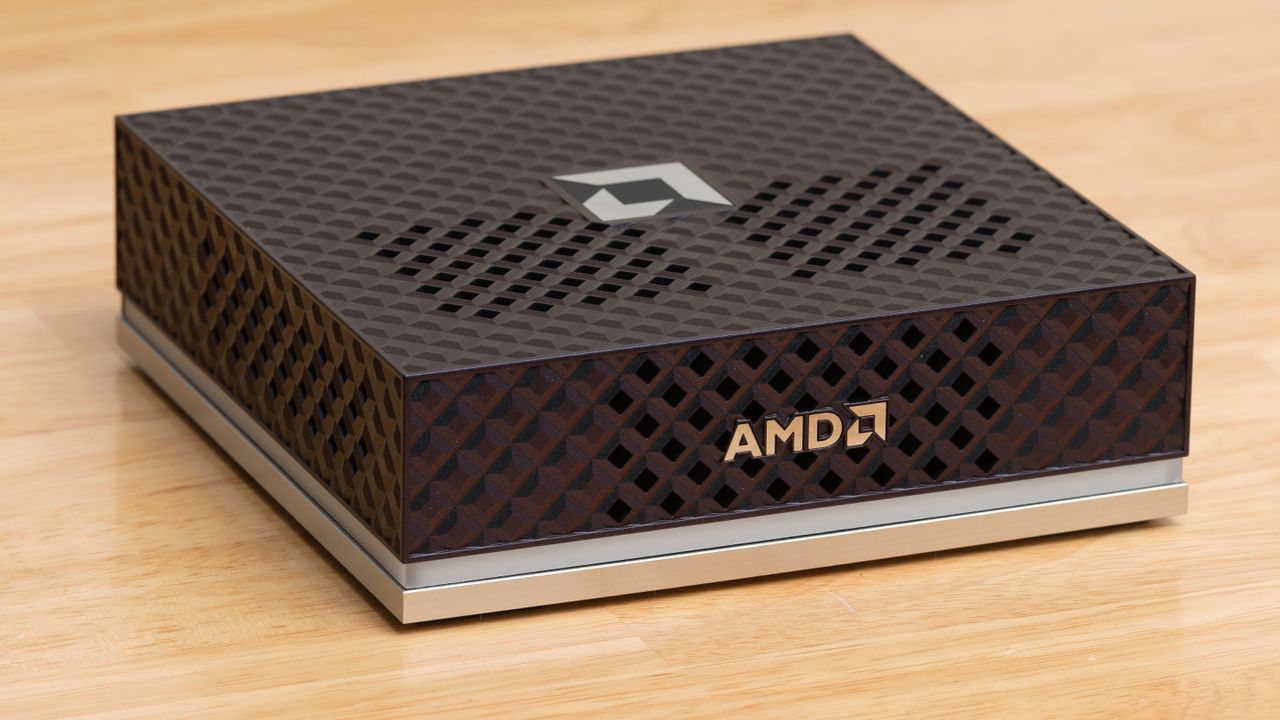
The primary constraint for adoption is hardware, as Project Zenith currently ships only on premium devices. The flagship AMD Ryzen AI Halo configuration features the Ryzen AI Max+ 395 processor, 128GB of LPDDR5x-8000 memory, a 2TB SSD, and integrated Radeon 8060S graphics, priced at approximately $4,000 through a US retailer. Even if Microsoft later offers Project Zenith as a standalone install for other mini-PCs, the system requires at least 64GB of unified memory, a specification that may prove costly amid rising RAM prices driven by the AI industry’s demand.
For US-based developers and hobbyists, the price point and memory requirement create a significant barrier to entry, even as the software itself aims to reduce ongoing operational costs. Microsoft has not indicated whether more affordable hardware options will become available in the future. The company’s move reflects a broader industry shift toward local AI inference as a response to unpredictable cloud token pricing, though the initial hardware requirements limit the audience to those with substantial budgets.
More software news from TechManNews.