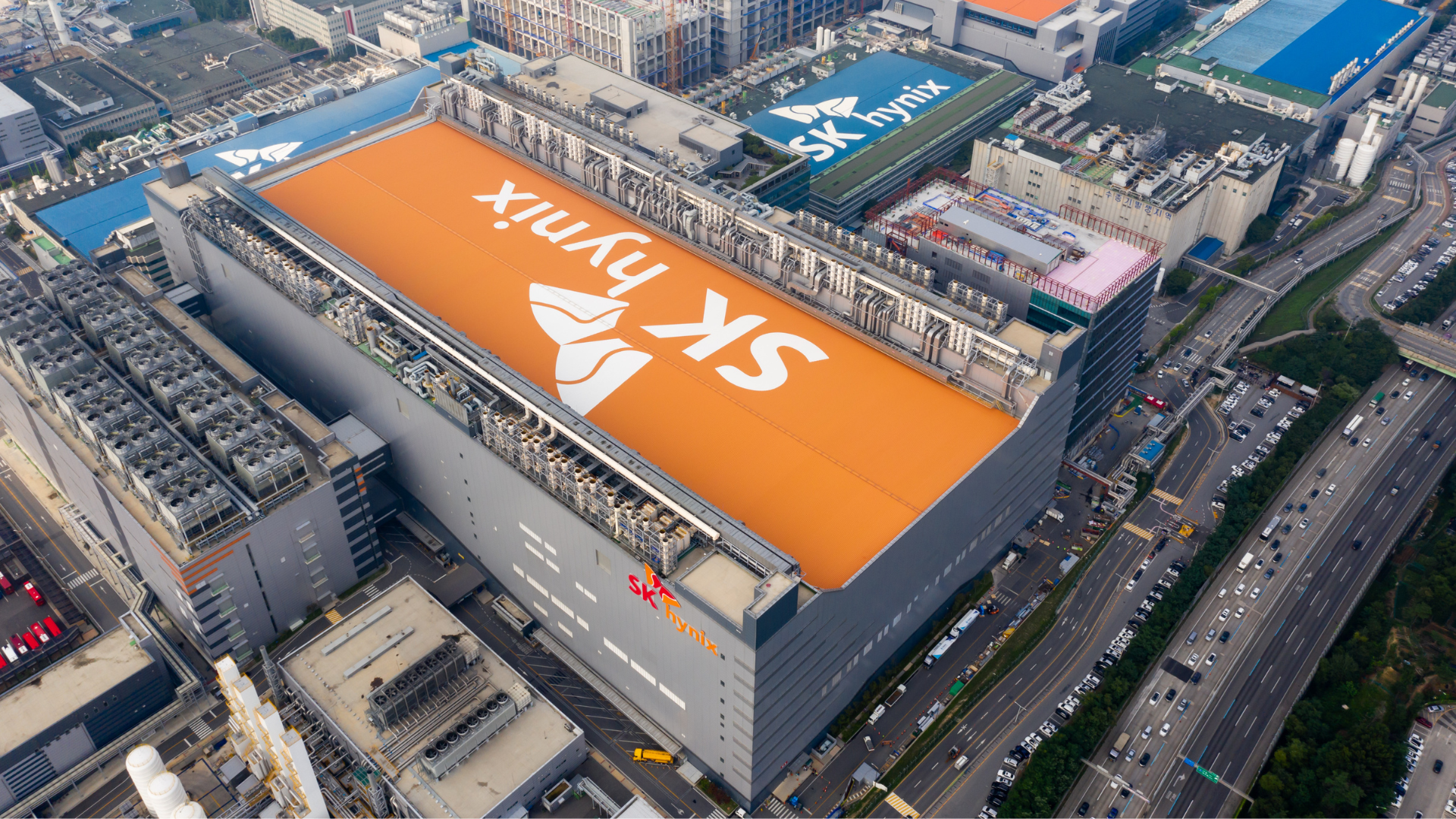
Samsung Electronics and SK Hynix are moving ahead with upgrades to their Chinese memory factories to produce more advanced NAND flash chips, as competition in AI data center hardware intensifies. Samsung intends to convert its Xian plant to 286-layer flash production by the end of the year, according to four people familiar with the companies' plans. SK Hynix is targeting chips with 240 or more layers at its Dalian facility, a plant it took over in 2021. A timeline for the SK Hynix upgrades was not clear.
The scale of the operations is significant for global supply. Samsung's Xian factory accounts for roughly 40% of the company's worldwide output and currently makes chips of around 200 layers; the planned shift would bring the site to 286-layer V9 NAND chips. SK Hynix's Dalian plant presently produces 192-layer chips, and three people familiar with the plans confirmed the 240-layer target.
Both South Korean companies face added complications from U.S. regulations. Export controls on chipmaking equipment were imposed in 2022 to slow China's technological progress, and Samsung and SK Hynix must now obtain licenses to install U.S.-built hardware in their Chinese factories. The two companies say they are working in consultation with U.S. authorities, but the licensing requirement has hampered their ability to upgrade factories to meet new AI memory demand, according to the report.
That regulatory friction is cited as a factor in the recent growth of Chinese firms such as Yangtze Memory Technologies Co. YMTC told investors at a recent IPO preparation meeting that it aims to become the world's largest NAND flash producer by the end of 2027.
China's largest DRAM producer, CXMT, is also looking beyond DRAM. A report from September 2026 noted the company was eyeing production of 3D NAND memory for solid-state storage products. CXMT posted $22.41 billion in revenue and $11.57 billion in net profit in the first half of 2026 after years of losing money, though it remains much smaller than Samsung, SK Hynix and Micron.
The developments carry weight for the U.S. market, where AI data center buildouts depend on advanced memory supply and where export policy shapes which equipment can be installed in Chinese facilities. For American buyers and policymakers, the licensing process sits between the two Korean suppliers and their ability to raise output of the higher-layer chips.
More hardware news from TechManNews.