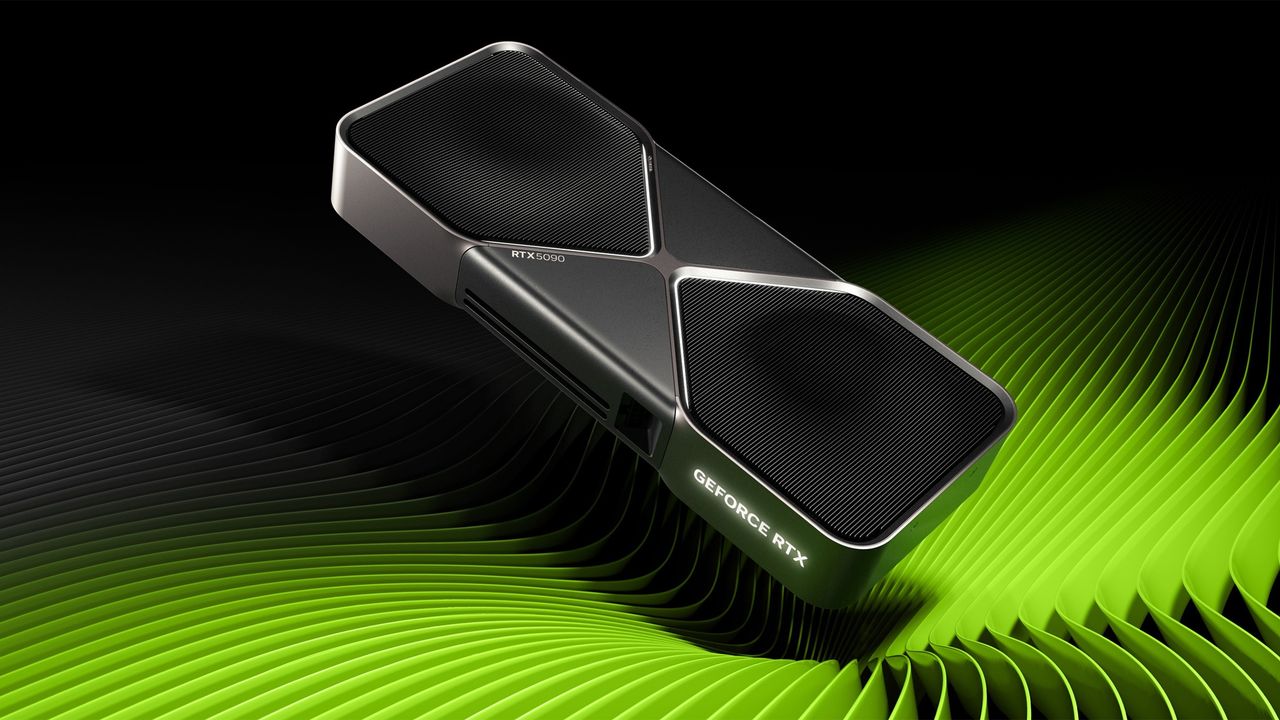
Nvidia’s latest graphics driver, version 615.56, is blocking the core power limit adjustments in mVolt+, a free, open-source overclocking tool popular among RTX 50-series owners. According to reports, the software now appears disabled or crashed whenever a user attempts to change the core power limit, regardless of the amount of additional current applied. The issue surfaced on August 28 and has disrupted a utility that previously allowed enthusiasts to push their hardware far beyond official limits.
mVolt+ differs from mainstream tools like MSI Afterburner because it bypasses standard driver restrictions and offers granular control over specific hardware blocks. Users can independently adjust power targets for the core and memory channels, as well as voltage and clock offsets for components including the core, XBAR, SYS, and VRAM. This level of control lets overclockers fine-tune power across the interconnect and video encoders instead of relying on a single global slider.
That capability enabled users to reach power levels typically associated with custom VBIOS modifications or physical PCB mods. Last week, an Asus ROG Astra RTX 5080 reportedly drew 680W using mVolt+, even though the official overclocking BIOS only permits a 450W TDP. Another user with an RTX 5090 saw their card consume 650-700W of power while gaming, up from the 450W it previously used.
While real-world performance gains were often marginal, the tool was valued for its ability to place GPUs on 3DMark worldwide rankings purely through software. The sudden incompatibility with the new driver has frustrated overclockers, as the app now hard crashes whenever they attempt to tweak the core power limit. It remains unclear whether Nvidia intentionally disabled the feature or if the conflict is an unintended consequence of the driver update.
Evidence from community forums suggests the block may not be deliberate. Users on the Overclock.net RTX 5090 thread report that their GPUs can still accept power limit modifications through Hydra 2.3B Pro, another extreme overclocking utility. This indicates that if Nvidia had singled out mVolt+, other tools would likely be affected as well, which is not the case.
The situation points to a driver conflict that could be resolved with an update from mVolt+’s developer, known as b00nz. If the creator can patch the software to work with driver 615.56, the functionality may be restored without any action from Nvidia. For now, overclockers using the latest driver are left without access to the extended power limits that made mVolt+ a standout option for RTX 50-series tuning.
More software news from TechManNews.