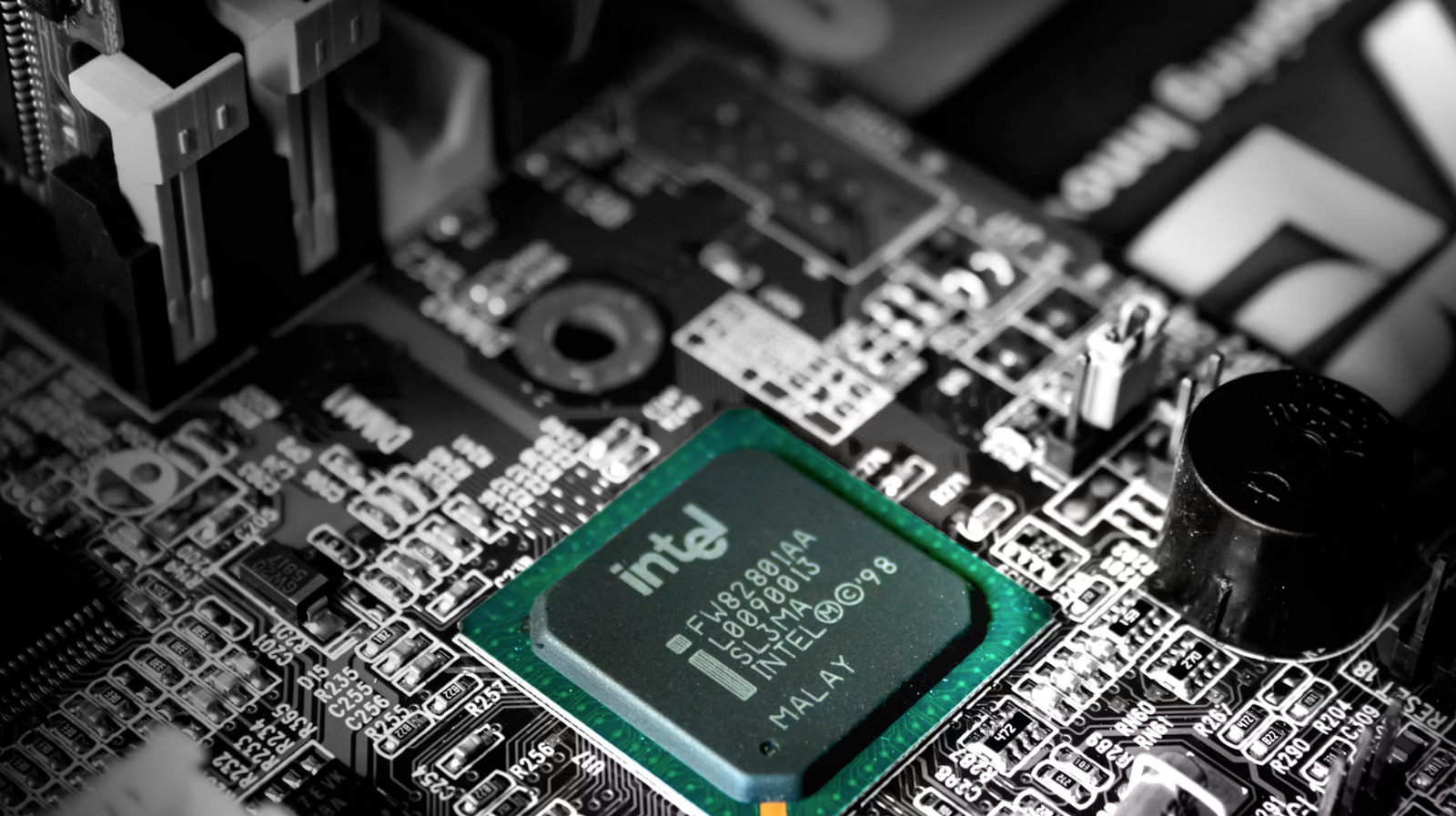
Intel is reportedly preparing to release new processors that use the LGA 1700 socket, according to motherboard manufacturer Gigabyte. That socket has been on the market since 2021, an unusually long lifespan for a processor platform. The chips are set to arrive next year.
The thinking behind the move is memory prices, according to a report by PC Gamer. LGA 1700 supports both DDR5 and DDR4 memory, so the upcoming refreshes of Intel's Raptor Lake and Alder Lake processors could be configured to run on DDR4 RAM. That would give buyers a cheaper option at a time when memory costs have climbed sharply.
The spike has been driven by demand tied to AI, a situation that has sent memory prices skyrocketing. The gap between the two memory types is substantial. A 32GB DDR4 kit costs around $210, while a 32GB DDR5 kit runs upwards of $480. For US consumers building or upgrading a PC, that difference alone can shape a purchase decision.
Intel has not confirmed the report. However, company VP Robert Hallock recently said Raptor Lake chips would remain available for years to come. He described LGA 1700 as still a good socket and said many people remain interested in DDR4, which is why Intel will keep offering it.
DDR4 integration would not be a first for Intel. Many of the company's current processors can already be configured to use DDR4 memory, so extending that option to upcoming parts fits with existing product lines.
There is a performance tradeoff. DDR4 is not as fast as DDR5. Testing has shown that DDR5 delivers a one to ten percent improvement in frames per second, though the gain depends largely on the resolution a player chooses and on the graphics card. For most modern PC games, the older memory type remains adequate.
The report points to a practical calculation for Intel and its board partners: keeping a familiar socket alive lets customers reuse or buy cheaper memory rather than move to a new platform. Gigabyte's disclosure is the basis for the reported plans, and PC Gamer's report supplies the pricing rationale behind them.
More hardware news from TechManNews.