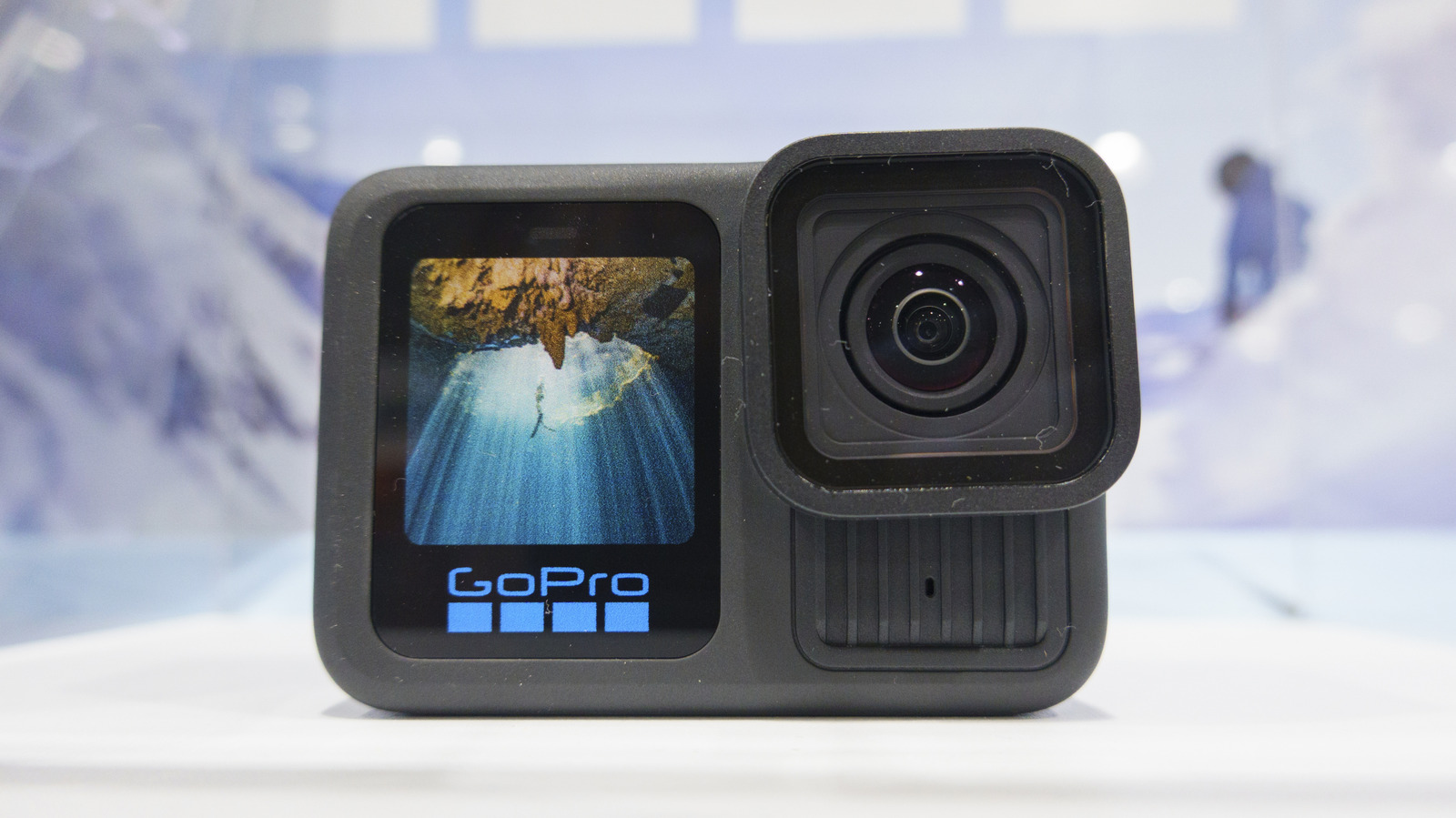
GoPro announced it is merging with Starman in a deal valued at $285 million, a move that will take the action camera maker into the market for optical transceivers used in AI data centers. The transaction is subject to shareholder agreement, regulatory approvals, and closing conditions, with GoPro expecting the deal to be finalized by the end of 2026. The combined company will continue producing GoPro’s signature cameras and running its subscription and cloud services, while also expanding into new sectors. According to a press release, Starman’s optical transceivers will fall under GoPro’s umbrella, extending the company’s reach into the large and rapidly growing market for AI infrastructure in optical transceivers. GoPro also plans to push into defense, government, robotics, and aerospace, leveraging the combined firm’s intellectual property, optics, and imaging capabilities.
The announcement marks a surprising pivot for GoPro, which has struggled financially in recent years after a brief peak. The company’s stock received a boost on Monday when news emerged that YouTuber and filmmaker Markiplier, whose real name is Mark Fischbach, had become GoPro’s largest individual shareholder by acquiring an 8.5 percent stake. GoPro first went public in 2014, and on its first day of trading the company briefly reached a valuation of $4 billion, according to Reuters. Since then, its share price has faced sustained pressure, making the shift into AI infrastructure a notable strategic departure from its consumer electronics roots.
The move echoes a similar unexpected diversification by shoemaker Allbirds, which recently turned to AI infrastructure as well, though the source does not detail the specifics of that comparison. For GoPro, the merger is designed to broaden its business beyond action cameras, which have long been its core product. The company’s existing subscription and cloud services are expected to remain part of its operations, but the new focus on optical transceivers signals an intent to compete in the data center supply chain. Optical transceivers are critical components in high-speed data transmission, particularly for AI workloads that require massive amounts of bandwidth.
GoPro’s push into defense, government, robotics, and aerospace suggests the company sees its imaging and optics expertise as transferable to more specialized markets. The source does not specify which products or contracts might emerge from those sectors, nor does it name any customers. The deal’s success hinges on shareholder and regulatory approval, and the timeline for closing is set for the end of 2026. For US technology investors and industry watchers, the merger places GoPro alongside other consumer brands making high-stakes bets on AI infrastructure, a trend that has reshaped several established companies. Markiplier’s stake, while significant, does not appear to grant him a management role, as the source only notes his position as the largest individual shareholder.
More company and startup news from TechManNews.