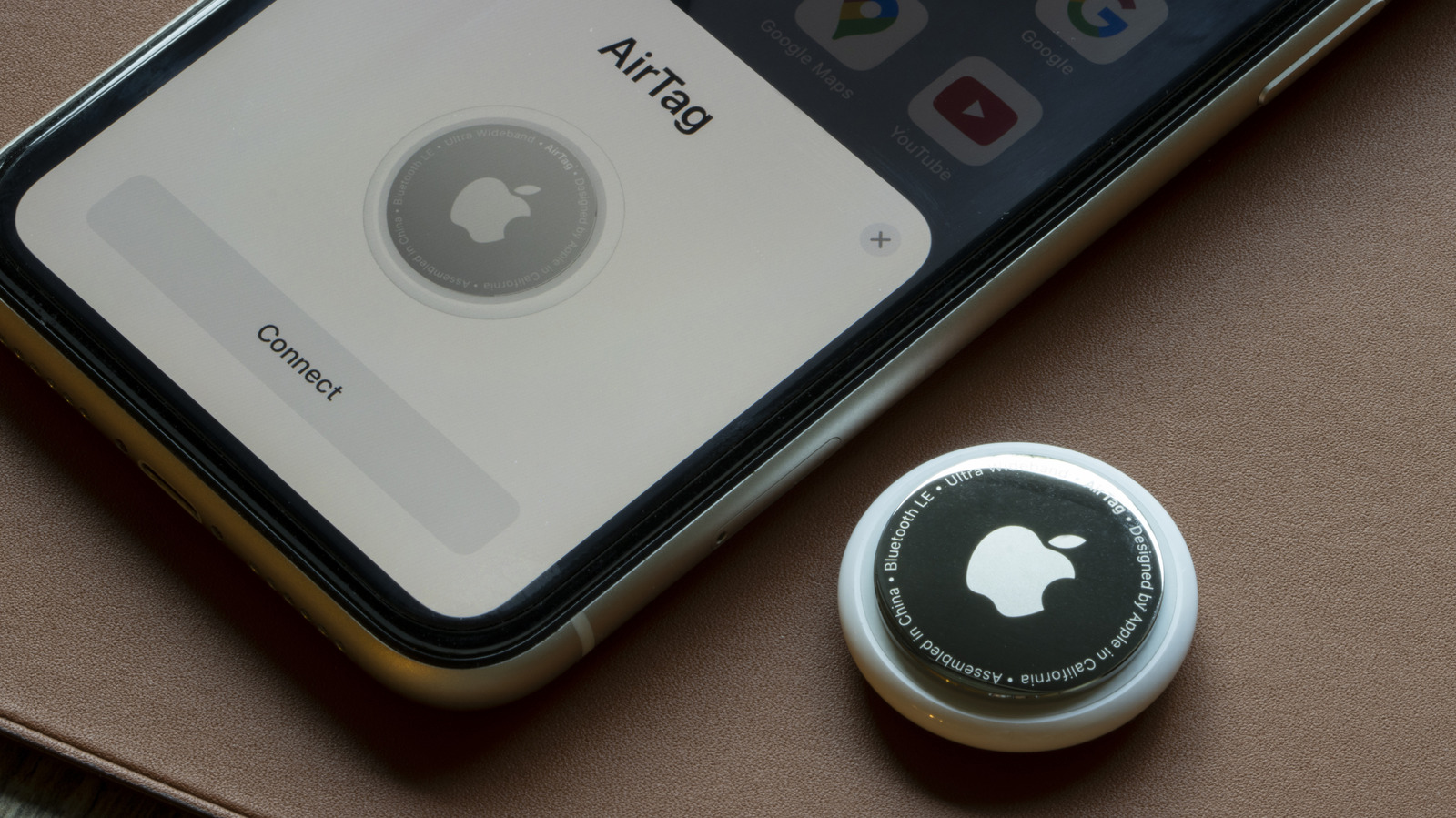
Travelers wondering whether Apple AirTags can legally stay in checked luggage have a clear answer under current US rules: they can. The Transportation Security Administration's lithium battery limits do not catch the coin-sized tracker, and international aviation standards now accommodate it as well. The device's reliance on nearby Apple hardware, however, means its usefulness varies by destination.
The TSA caps non-rechargeable lithium metal batteries at 2 grams of lithium content and sets a 100 watt-hour maximum for rechargeable lithium ion batteries, with anything above that requiring airline permission. An AirTag runs on a small CR2032 coin cell containing less than 0.1 grams of lithium, well under the limit. Because the AirTag is not rechargeable, the watt-hour rule does not technically apply, though its power threshold of less than 0.7 Wh would comply anyway.
Outside the United States, the picture is nearly the same. The International Civil Aviation Organization, the UN's aviation agency, adopted an amendment in 2023 intended to ease AirTag bans that some airlines had imposed. The revised rule permits lithium battery devices in checked baggage to remain switched on during flight as long as lithium content stays below 0.3 grams, or a lithium-ion battery's output stays below 2.7 Wh.
The stakes behind the battery rules involve thermal runaway, a chain reaction that can make lithium-ion devices overheat uncontrollably, producing smoke, fire and even shrapnel ejection. Damage, improper packing and manufacturer defects can all trigger it. The Federal Aviation Administration has logged more than 700 lithium-ion incidents since it began tracking them in 2006, and nearly four in 10 involved portable battery packs.
That record has driven tighter rules on power banks rather than a broad ban, since so many devices depend on lithium-ion cells. The TSA requires devices containing lithium metal or lithium-ion batteries to travel in carry-on baggage rather than checked bags, because a thermal runaway event in the cargo hold could escalate before anyone notices. Portable chargers have drawn focused regulation, with many airlines requiring them to stay in sight during flight and some, including Southwest Airlines, limiting travelers to one charger per person.
International rules for chargers can be stricter. The UK Civil Aviation Authority has said portable chargers should not be used to charge other devices on board, and the Hong Kong Civil Aviation Department announced a usage ban following a power bank fire. Virgin Australia, Qantas and Jetstar have banned onboard use of portable chargers entirely.
For AirTag users, the tracking system has limits of its own. The device depends on the presence of Apple devices nearby, so it performs worse in places with lower percentages of iPhone users, such as Eastern Europe or South America. Several airlines accept Apple's Share Item Location feature to help locate a lost bag, but that acceptance is not universal, which can leave travelers with little beyond confirmation that a suitcase is not where it should be.
More hardware news from TechManNews.