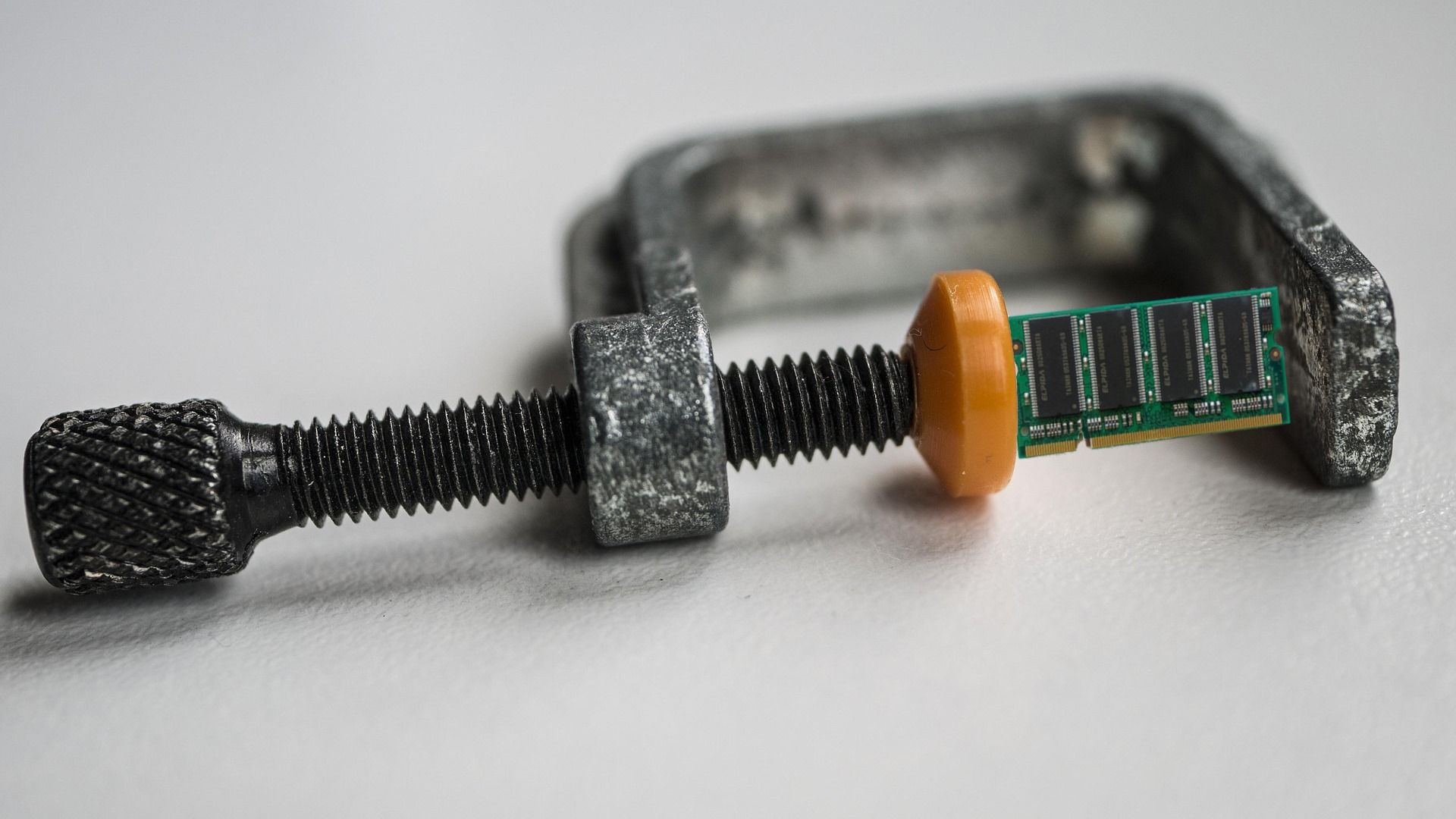
Consumers waiting for Apple’s next iPhone lineup should prepare for significant price increases, according to Bloomberg’s Mark Gurman. Gurman said shoppers can expect hikes of at least $100 on the iPhone 18 Pro and other products set to debut at Apple’s annual September event. The iPhone 18 Pro Max and Apple’s first foldable phone, which may be called the Ultra, could also cost more. Gurman attributed the increases to an AI-driven RAM shortage that has created a supply crunch across phones, laptops, gaming consoles, and other electronics.
If Gurman’s projection holds, the iPhone 18 Pro would start at roughly $1,200, compared to the $1,100 launch price of the iPhone 17 Pro last September. The potential hike would match similar moves by Samsung on its Galaxy Z Fold 8 and Galaxy Z Flip 8, as well as Google’s increases on the Pixel 11 and Pixel 11 Pro. Apple has already raised prices on select MacBooks, iPads, and HomePods two months ago, with some devices jumping 33%. The iMac rose from $1,300 to $1,500, the MacBook Neo went from $600 to $700, and MacBook Pro models each increased by $300.
Apple also recently cut about 200 workers from its Vision Pro and Siri teams and shut down the Vision Pro gaming group. The company did not immediately respond to a request for comment on the reported pricing. Gurman noted that Apple has room to push prices even higher, and the company’s Upgrade program, which lets customers lease an iPhone, iPad, Mac, or Apple Watch starting at $18 per month for an iPhone, could soften the impact of the increases.
Longtime tech analyst Paolo Pescatore said higher iPhone prices are unlikely to drive away many Apple fans. He told CNET that Apple’s large installed base, ecosystem, and growing use of trade-ins, financing, and monthly payments give it greater pricing power than most competitors. The bigger risk, he said, is not users switching to rival brands but deciding to hold onto their existing iPhones for longer. Pescatore added that loyalty has limits, and steeper prices need to be matched by bigger advancements.
Pescatore also said Samsung and Google raising prices gives Apple cover, but it also raises expectations. He argued that Apple needs to show consumers meaningful progress in AI, cameras, battery life, and new form factors. While brand loyalty is strong, Apple must continue giving users a compelling reason to move up the product range, he said.
The price pressure stems from component shortages and sharp increases for RAM and storage devices like hard drives and SSDs, largely driven by the AI infrastructure buildout by major tech companies. Amazon, Microsoft, Alphabet, and Meta have spent billions on AI investments, and although Apple has mostly stayed out of that spending race, it has felt the ripple effects of the worldwide memory chip shortage. Apple has said the shortage forced it to raise prices this year. The company’s profit margin reportedly stands at 27%, which would suggest it could absorb some costs, but analysts and the company point to the supply constraints as the primary driver.
More gadget news from TechManNews.