Wearables Face a Middle Ground Problem

Photo: Engadget

Article

Wearables Face a Middle Ground Problem

Across fitness trackers, experimental audio and smart rings, the industry's most interesting products are being squeezed by the economics of the middle.

SuryaOctober 23, 20265 min read

The wearables market is discovering that the most crowded place to stand is the middle. Three recent stories on this beat - Google's new Fitbit tracker, a transforming headphone at CES 2026, and a fresh patent suit between two smart-ring makers - all describe products that sit between established categories, and all show the same strain: the middle ground is where engineering ambition meets the hardest commercial math. For US consumers, that means more devices that are genuinely inventive and genuinely awkward to justify; for US companies, it means the space between cheap and premium is narrowing fast.

Fitbit's Deliberate In-Between

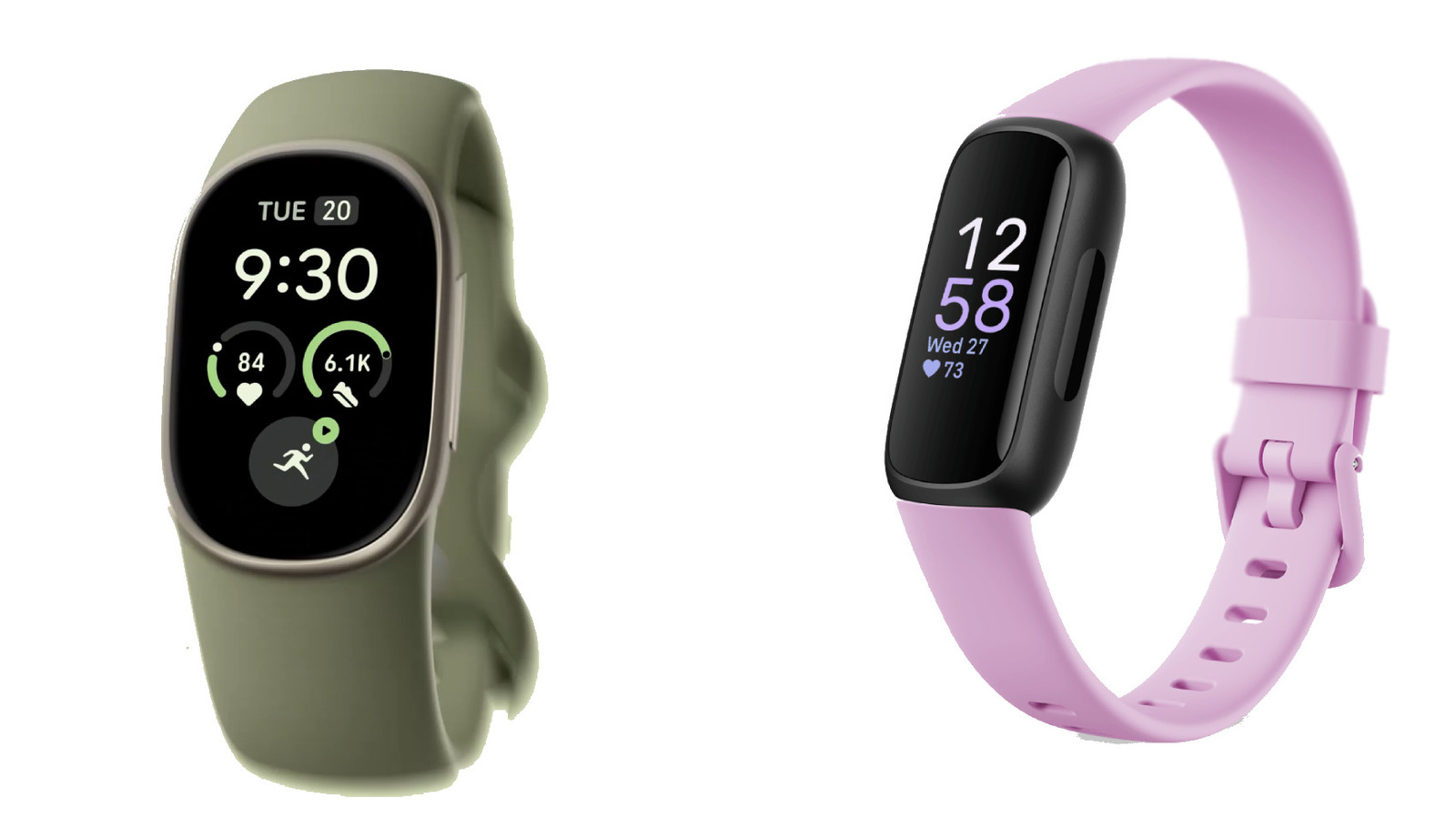
Engadget's comparison of the Fitbit Edge and the Fitbit Inspire 3 frames the Edge as a middle ground between a simple tracker and a full smartwatch. That positioning is not incidental; it is the central design decision. Google is not trying to out-feature the smartwatch tier or out-price the basic tier. It is trying to occupy the gap where many buyers actually live - people who want more than steps and heart rate but who do not want a second phone strapped to a wrist.

The trouble with that gap is that it is defined by subtraction. A middle-ground tracker is judged against a smartwatch on capability and against a basic tracker on price, and it loses one of those comparisons almost by construction. The Edge has to be good enough to feel like an upgrade and cheap enough to feel like a bargain, and those two pressures pull against each other. Engadget's framing captures the tension without resolving it: the category exists, but its value proposition depends entirely on how the buyer weighs what was left out.

Engineering That Outruns the Product

Wired's review of the TDM Neo Hybrid Headphones shows the same squeeze from a different angle. The headphones transform into a Bluetooth speaker, a trick that CES 2026 loved. Wired's reviewer came away impressed by the engineering and less impressed by the sound - an unusually clean statement of the middle-ground problem.

The hybrid is a bet that versatility beats specialization. In practice, the bet requires buyers to accept a compromise in the core function - audio quality - in exchange for a second function they may use occasionally. That is a rational trade for some people and an irrational one for others, and the review suggests the engineering team solved the hard mechanical problem while the acoustic problem stayed unsolved. This is the characteristic failure mode of the in-between product: the novel part works, the baseline part does not quite, and the buyer is asked to pay for novelty while living with the baseline.

For US consumers, the lesson is about review literacy. A product can be a genuine engineering achievement and still be a mediocre purchase, and those two facts are not in contradiction.

The Ring Fight Moves to the Courts

TechCrunch reports that Oura is suing rival Ultrahuman again, alleging in its newest lawsuit that Ultrahuman's Ring Pro infringes two of Oura's patents. The report frames the suit as threatening Ultrahuman's U.S. smart-ring comeback.

This is the middle ground expressed as litigation. Smart rings are a narrow, technically demanding category where differentiation is hard to see from the outside: a small band, a few sensors, an app. When products converge because the physics converge, the patent portfolio becomes the main competitive weapon. Oura's willingness to litigate repeatedly against the same rival suggests it sees the legal front as a way to control the shape of the US market rather than as a one-off dispute.

The consumer consequence is indirect but real. Patent fights can delay or complicate the arrival of competing rings in the US, which reduces the price and feature pressure that would otherwise discipline the category. A repeat plaintiff is effectively arguing that the middle ground of the ring market belongs to whoever got there first and documented it.

Why the Middle Is Getting Harder

All three stories point to the same structural condition. The easy tiers of wearables - the very cheap tracker and the very expensive flagship - are settled. The contested zone is the middle, and it is being attacked from both directions at once. Companies try to differentiate with a form-factor trick, a hybrid function, or a new category position, and each of those moves raises cost or complexity without guaranteeing a clearer reason to buy.

That is why the middle is where reviews get ambivalent and where lawsuits get filed. Ambivalence is the honest response to a product that trades one strength for another. Litigation is the response when the trade-offs stop being about design and start being about who is allowed to compete.

There is also a pricing-discipline story here that matters to US buyers. Middle-ground products are the ones most sensitive to discounting, because their value case is comparative rather than absolute. When a hybrid headphone's sound is judged merely adequate, the buyer's decision turns on price. When a mid-tier tracker's features are judged merely sufficient, the same thing happens. The middle is where margins are thinnest and where the argument for a premium is hardest to sustain.

What US Companies Should Take From This

The three stories suggest a discipline that US hardware firms would do well to internalize. First, a middle-ground product needs a defensible core, not just a clever extra. The TDM Neo's transforming hinge is impressive, but Wired's verdict shows that a secondary function cannot rescue a primary one. Second, positioning between tiers requires an explicit answer to "compared to what" - the Fitbit Edge's case rests on which comparison the shopper makes first. Third, in categories where the hardware converges, intellectual property becomes a strategic asset with market-shaping consequences, as TechCrunch's reporting on the Oura - Ultrahuman dispute illustrates.

None of this argues that the middle is a bad place to build. It argues that the middle is an expensive place to build carelessly, because the buyer has more alternatives and less patience.

What to Watch

Watch how the Fitbit Edge is actually reviewed against both ends of its bracket, since its fate turns on which comparison sticks. Watch whether the TDM Neo's engineering praise translates into sales despite the sound criticism - that would tell us how much US buyers will pay for novelty in a secondary function. And watch the Oura - Ultrahuman litigation as TechCrunch has framed it: if the suit succeeds in slowing Ultrahuman's US comeback, the smart-ring market's middle will be defined by patent walls rather than product competition. The common thread to track is simple: in wearables, the products worth arguing about are the ones stuck in between, and how those arguments resolve will set the shape of the US market for the next cycle.

More on this beat: Gadgets on TechManNews.

#wearables#fitness trackers#smart rings#headphones#US tech market#product strategy

Newsletter

Get Tech News in Your Inbox

The latest AI, gadgets, software and startup stories from TechManNews, delivered every morning - free.