The operating system beat this month keeps returning to one pattern: the distance between what makes a platform pleasant and what keeps it safe. Three logged stories sit at different points on that line. A free Microsoft utility adds mouse features, HPE ships fixes for 72 vulnerabilities in ArubaOS, and a hobbyist gets experimental Thunderbolt 3/4 support running on Windows 98. Read together, they describe an industry spending heavily on the top of the stack while the bottom keeps demanding attention.
Convenience Gets the Spotlight
The PowerToys story, as ZDNET reported, is the easiest to like. More than 30 tools, free, aimed at everyone from beginners to power users, with the latest release adding two mouse tricks. There is no security angle, no compatibility puzzle, just a company improving the daily feel of Windows. That is real work and it matters to US consumers, who get the utility without paying for it. It is also the kind of story that gets read, shared and remembered. Nothing in the PowerToys item explains how Windows protects itself, yet it lands in front of far more people than a patch advisory will.
The Patch Wave Nobody Wants to Read
The HPE item, as BleepingComputer reported, is the counterweight. Security updates address 72 vulnerabilities in ArubaOS, including eight maximum-severity authentication bypass and code execution flaws. ArubaOS is not a desktop product, but it is an operating system in the plain sense, and it sits in networks that US enterprises and public institutions rely on. Eight authentication bypasses on the maximum-severity scale is the sort of number that should stop a reader. The documentation is functional and the story is short, and most of the audience that needs to act on it will never open it. That asymmetry is the pattern.
A Twenty-Eight-Year-Old Operating System Refuses to Die
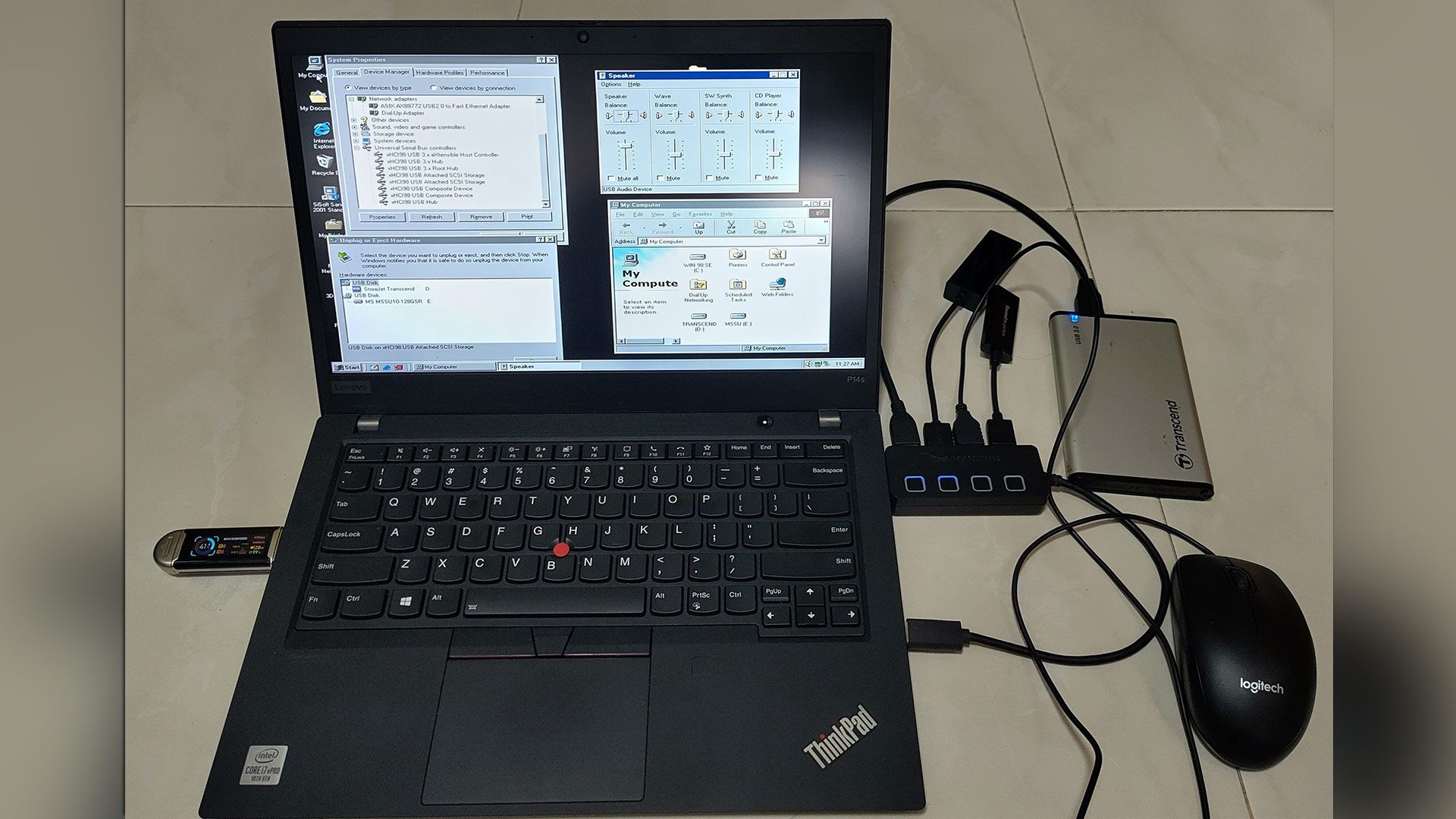
The Tom's Hardware story is the strangest and the most revealing. Windows 98 SE users now have experimental support for USB4 and Thunderbolt 3/4, a driver reportedly built with AI assistance and also covering Windows Me, XP, Vista and 7. On one level this is a curiosity. On another it is a reminder that a meaningful population still runs operating systems Microsoft stopped supporting years ago, and that the work of keeping them usable has moved outside the vendor. The driver is experimental by its own description, and experimental is doing a lot of work in that sentence. It is the hobbyist economy filling a gap that the commercial market decided not to fill, and it exists because somebody wanted Thunderbolt enough to build it.