The pattern running through this week's gadget news is that technology is moving away from explicit user commands and toward ambient, autonomous control. Features once considered separate or passive - maps, headsets, streaming devices, phones - are increasingly designed to make decisions in the background. The four stories logged by Engadget on this desk illustrate different facets of the same shift: systems that anticipate, interpret, or quietly override user behavior.
Maps That Read the Room
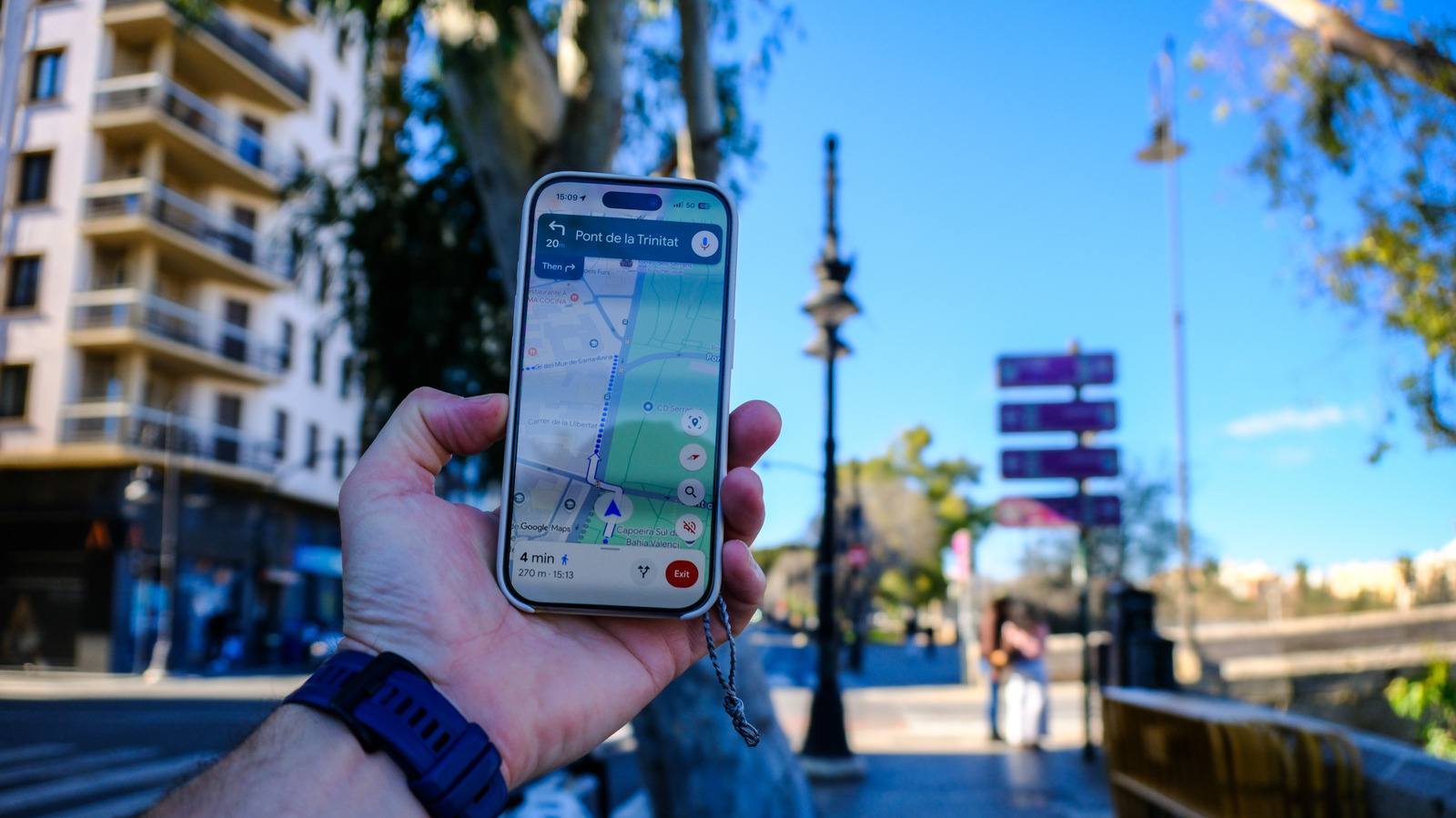
Engadget reported that Google Maps can now take the guesswork out of finding local venues and restaurants capable of hosting you, by indicating when a business is packed. This is not a navigation feature so much as a prediction feature. The user is no longer asking for directions or searching for a business by name; they are asking the map to interpret real-world conditions and make a recommendation. For US consumers, this means the decision of where to eat or gather is increasingly shaped by algorithmic inference rather than personal knowledge or direct observation. For US technology companies, it represents a further blurring of the line between utility and recommendation engine. Maps is no longer just a way to get somewhere; it is a way to decide where to go. That has implications for local businesses, which may find their visibility tied to occupancy data they do not control, and for competitors, who must match Google's ability to synthesize real-time signals into actionable guidance.
Headsets That Change the Form Factor
Engadget also reported new images showing a detailed view of Meta's upcoming mixed reality headset, known as Project Phoenix. The device is described as a new form factor for Meta. This matters because it signals that the company is not simply iterating on existing VR hardware but rethinking how the device sits in a user's life. A new form factor implies a different relationship with the body and with the environment - one that is likely more continuous and less session-based. For the US market, this is a test of whether mixed reality can move beyond gaming and niche applications into everyday use. For Meta, it is a bet that the next platform shift requires hardware that feels less like a console and more like a companion. The pattern here is the same as with Maps: technology that is always present, always sensing, and always ready to augment the user's immediate context.
Appliances That Fail Quietly
A third Engadget story noted that a Roku is usually a straightforward device, but they can run into power problems, and offered guidance on what to check if yours powers off all the time. This seems like a mundane troubleshooting piece, but it fits the broader pattern in an instructive way. The Roku is an ambient device: it sits in the living room, always on or ready to turn on, and its failures are not dramatic. When it randomly turns off, the user is forced to diagnose a system that is supposed to be invisible. The story is a reminder that the ambient-control model depends on reliability. US consumers now expect their streaming devices, smart speakers, and connected appliances to work without intervention. When they do not, the friction is more than an inconvenience; it is a breach of the implicit contract that these systems will manage themselves. For US technology companies, this is a warning: the more ambient the device, the higher the cost of visible failure.