๐Ÿ“ฃ

Advertisement

Google Ad - 970ร—90 Leaderboard ย TOP_LEADERBOARD_4

The Gadget Ownership Problem Is Now a Maintenance Problem

Photo: Wired

Article

The Gadget Ownership Problem Is Now a Maintenance Problem

The gadgets people already own - routers, smart TVs, iPads, wallets - now generate more friction than the gadgets they might buy next.

Arjun NairSeptember 20, 20265 min read
๐Ÿ“ฃ

Advertisement

Google Ad - 970ร—90 Leaderboard ย TOP_LEADERBOARD_4

The most recent gadget stories on this desk share one subject: hardware and software that people already own. A router ban, a smart TV that may not need a streaming device, an iPad that will not charge, a wallet app that will not work. Together they point to a shift in the consumer technology business. The friction that matters most now sits in the devices already in American homes, not in the ones still on store shelves.

Acquisition Is No Longer the Main Event

For years, the gadget beat was organized around purchase decisions. Reviews, launch coverage and gift guides all assumed the reader was choosing something new. The stories logged this week assume the opposite. Engadget's take on streaming devices opens by acknowledging that many modern TVs can already stream apps like Netflix and Prime, then treats a separate streaming device as optional rather than necessary. That is a striking framing for a product category that once existed to add capability a television lacked.

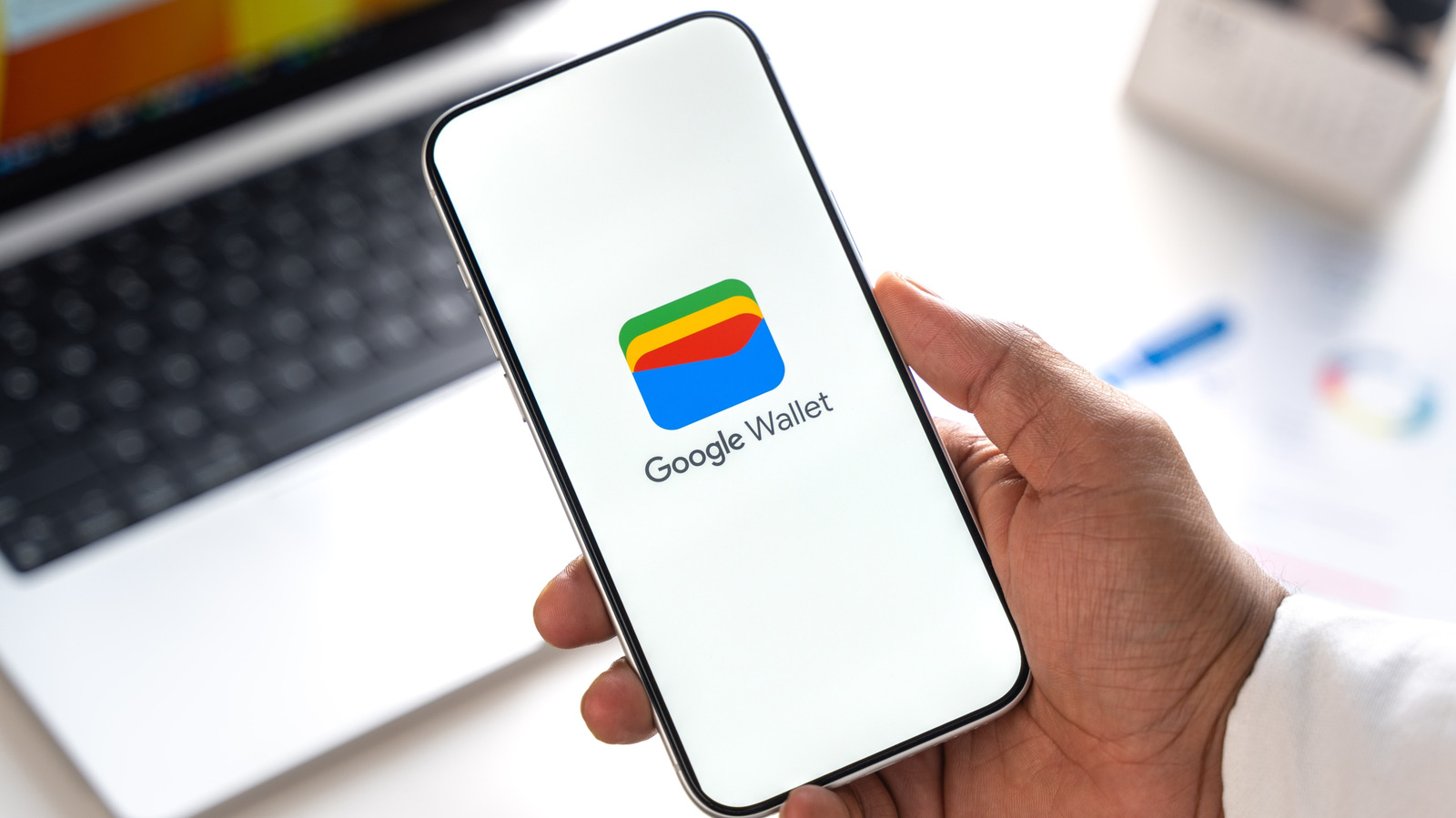
The same logic runs through the Google Wallet piece. The premise is not that readers should adopt a wallet app. It is that they already use one to store payment cards, tickets and digital IDs, and that it sometimes does not behave as expected. The iPad charging story makes the assumption even more explicit: people do not think about charging until it stops working. Ownership is the starting condition, and the article exists to manage the consequences.

The Router Ban Hits the Installed Base

Wired's coverage of the FCC ban on new consumer-grade Wi-Fi routers and mobile hot spots manufactured outside the US is the sharpest example, because it changes what Americans can buy next while leaving intact what they already have. The ban applies to new devices entering the market, not to equipment already in living rooms and home offices. That distinction matters. It means the immediate effect for most US consumers is not a dead network. It is a future replacement decision made harder.

US technology companies face the same asymmetry. Firms that sell routers and hot spots domestically must now think about where their hardware is built, or step back from the consumer category. Meanwhile, the installed base keeps humming along, generating support calls, firmware updates and security concerns long after the sale. A ban on new sales does not retire the old devices. It stretches out their service lives, often beyond what their makers planned for.

Maintenance Is the Product Now

Look at the four stories together and a pattern emerges. Each one describes a relationship that continues after purchase. The router is a device someone must eventually replace under new rules. The smart TV is a platform that may or may not justify additional hardware. The iPad is a piece of hardware whose charging behavior becomes a diagnostic puzzle. Google Wallet is software whose failures interrupt everyday tasks like paying or presenting a ticket.

None of these are buying stories. They are upkeep stories. That is a meaningful reorientation for the US gadget market. Companies that once competed mostly on specifications now compete on how gracefully their products age. Support documentation, repair pathways, app updates and replacement parts become the substance of the customer relationship rather than the fine print.

The streaming device question illustrates the stakes. A smart TV that streams the major apps competes directly with the add-on box that used to be the obvious purchase. Engadget's framing suggests the add-on now has to justify itself against something the buyer already paid for. For US hardware makers, that means the addressable market for accessories is partly a function of how well, or poorly, the televisions people own perform over time.
Advertisement

๐Ÿ“ฃ

728x90

MID_CONTENT_2

What the Failures Reveal

The trouble-shooting stories are easy to dismiss as service journalism, but they carry information. An iPad that will not charge sends the owner to inspect the port and the charger, per Engadget. A wallet app that misbehaves sends the user hunting for a fix. These are not exotic failures. They are the ordinary ones that accumulate with use.

Their prominence on a gadget desk is itself the story. If acquisition were still the center of gravity, the coverage would lean toward comparisons and launches. Instead, a meaningful share of it is devoted to keeping existing equipment and software working. That implies readers are holding onto devices longer, or at least encountering enough problems to make fixes worth reading about.

For US consumers, the practical consequence is that the quality of after-sale support has become a purchasing consideration even if they are not currently purchasing. The router ban makes this concrete. A household that cannot easily replace a router once the current one fails has a stronger interest in how long that router lasts and how well its manufacturer supports it.

The Regulatory Layer Adds Weight

The FCC action adds a dimension that the other stories lack. Router and hot spot purchases now intersect with manufacturing location, a factor most consumers never weighed before. Wired's piece treats the ban as something readers need explained, which suggests the change is not self-evident. For US technology companies, it introduces supply-chain questions into a category that has long competed on price and specifications.

Manufacturers that relied on overseas production for consumer-grade networking gear must decide whether to shift production, exit the segment, or focus on other markets. The installed base does not resolve that question. It merely delays it. Every existing router in the US is a device that will eventually need replacing, and the replacement market is now shaped by rules that did not apply when those devices were bought.

What to Watch

The stories above suggest a few concrete things to track. One is whether support and repair content continues to occupy a larger share of gadget coverage, which would indicate that readers are prioritizing upkeep over acquisition. Another is how US router and hot spot makers respond to the manufacturing restriction, and whether the installed base becomes a point of emphasis in their messaging.

A third is the streaming device category. If smart TVs keep improving, the case for extra hardware rests on gaps those televisions leave open, and Engadget's framing implies those gaps are no longer automatic. Finally, watch whether wallet and charging problems remain steady sources of coverage. Persistent troubleshooting stories about everyday devices are a signal that the market's center of gravity has moved from what Americans buy next to what they already own.

Sources: Wired, Engadget.

More on this beat: Gadgets on TechManNews.

Advertisement

๐Ÿ“ฃ

728x90

IN_ARTICLE_5

#consumer tech#FCC router ban#device ownership#smart TV#iPad charging#Google Wallet

Newsletter

Get Tech News in Your Inbox

The latest AI, gadgets, software and startup stories from TechManNews, delivered every morning - free.