The Thread: Control Is the Real Product
Behind four seemingly unrelated stories from the past two days lies a single pattern: the most significant battles in consumer technology are no longer about features or speed, but about who controls the device you own. Whether it is a bug in an iOS beta that affects travel documents, a Siri voice upgrade gated by hardware, the hidden costs of switching from macOS to Windows, or a PlayStation 3 emulator that finally reads physical discs, the underlying story is the same. American consumers are being asked to accept less direct access to their own hardware and software, and every attempt to claw that access back - by using an old OS, by switching platforms, by emulating old games - comes with visible friction. The thread is not about any single product failure or feature release. It is about the quiet, steady transfer of agency from the user to the platform vendor, and the awkward, often costly workarounds that result.
The Beta Trap: When Convenience Becomes a Liability
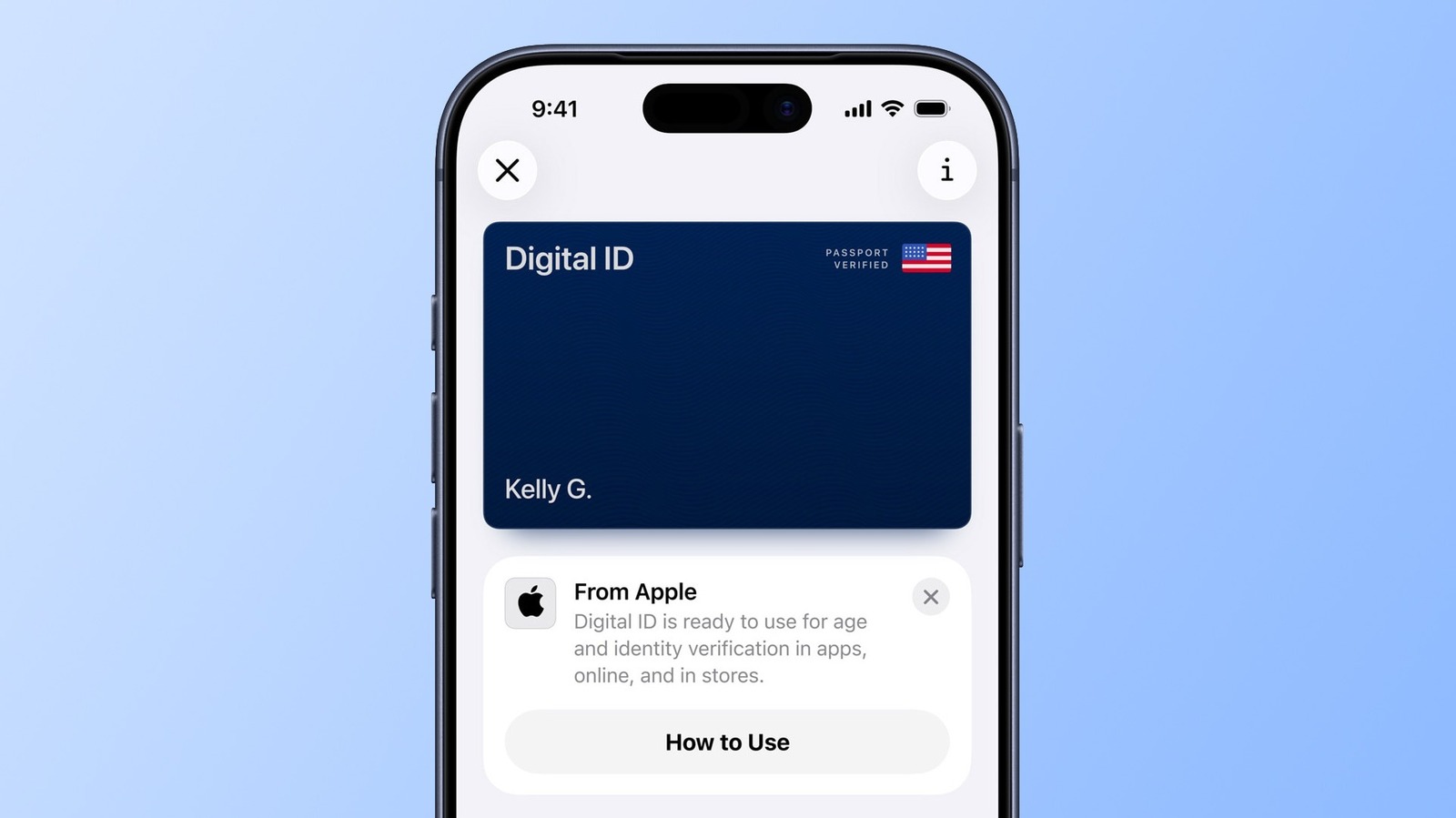
The Engadget report on the iOS 27 beta Digital ID glitch is a perfect case study in how platform control creates unexpected risk. Travelers who installed the beta found that a core function - digital identification - failed at the worst possible moment. The advice that followed, that no one should run beta software on a device they depend on, sounds like common sense. But it also reveals something deeper: the operating system vendor now controls so much of daily life, including identity verification, that a software update can break a traveler's ability to board a plane. For US consumers, this is not a hypothetical. Digital IDs are increasingly tied to state-issued credentials, and airlines and airports have pushed for their adoption. When a beta OS glitch affects that function, the user bears the cost - missed flights, disrupted trips, lost time - while the vendor merely pushes a future fix. The deeper issue is that users have been trained to accept that a phone, which they paid full price for, is only truly reliable when running software that the vendor approves, tests, and controls. The beta, in this context, is not just an early release; it is a reminder that the vendor decides when a feature is safe enough to trust, even if the user thinks otherwise. And for US travelers, who increasingly rely on a single device for everything from tickets to identification, the failure point is concentrated in a way that older, physical documents never were.
Hardware Gates: The Siri Voice That Costs More Than an App
The same Engadget report on Siri's expressive, customizable voice in iOS 27 carries an even quieter warning: the feature is only available on the latest hardware. That single restriction, tucked into a how-to story, reveals how software innovation has become a pretext for hardware upgrades. Siri's voice is not a physical sensor or a processor-intensive AI model - at least, not in any way that the user can verify. Yet the vendor chooses to gate the feature behind a device purchase, meaning an American consumer who bought a phone two years ago, still perfectly capable of running complex apps, is told that a voice change is out of reach. This is not about technical necessity. It is about using software to segment the market. For US consumers, this pattern has become so familiar that most barely notice it. Camera features, battery management, even animation effects are routinely presented as reasons to buy new hardware, when the real change is often a software switch. The Siri voice story is a small example, but it points to a larger strategy: the platform is the product, and every release adds a few more features to the older devices and a few more reasons to leave them behind. The result is that even when a user wants to customize a voice, they are reminded that their device is no longer the vendor's priority.