OS Updates Now Giveth and Taketh Away by Device
Article

OS Updates Now Giveth and Taketh Away by Device

Three recent stories show that operating system updates increasingly deliver features unevenly, and that unevenness is becoming the defining experience of the platform.

NagiOctober 24, 20264 min read

Photo: BleepingComputer

Operating system updates have become the main channel through which platform owners deliver new capabilities, and the latest round of releases shows how unevenly that delivery happens. A Windows fix restores audio that an update broke, a Lightroom feature arrives through an app rather than the OS itself, and a set of CarPlay features is gated by iPhone model. The common thread is that the operating system is less a universal layer than a set of switches that vendors flip device by device, and users feel those switches more than they feel the version number.

The update as a delivery mechanism, not a milestone

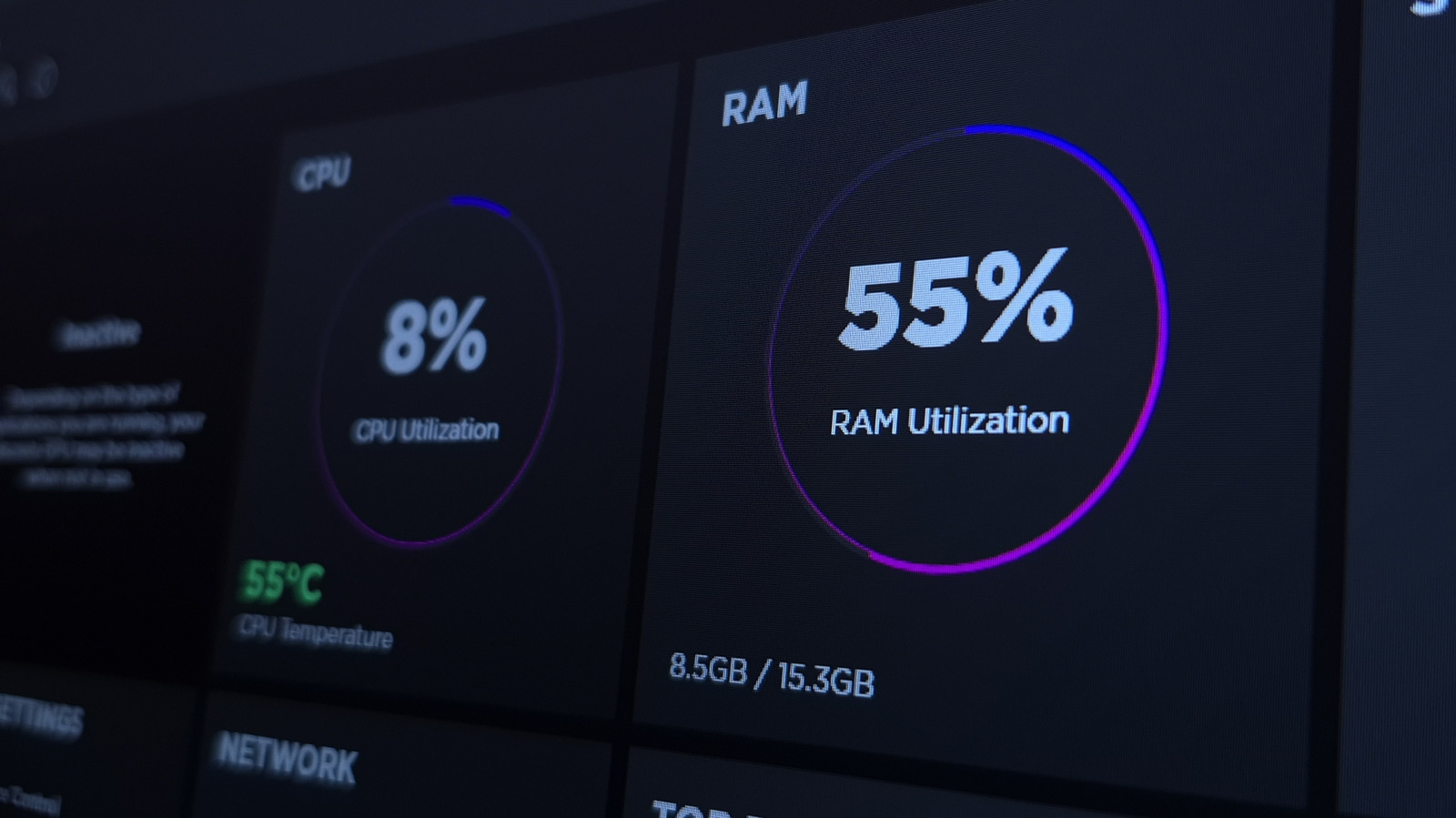
The Windows 11 story is the clearest case. As BleepingComputer reported, Microsoft resolved a bug that caused games and apps using AC-3 (Dolby Digital) audio decoding to crash after users installed the September 2026 Windows 11 preview update, KB5124010. The sequence matters: an update intended to move the platform forward introduced a regression in a widely used audio path, and Microsoft then had to ship a fix for its own fix. For US consumers, that is a familiar rhythm in which the operating system is a continuous work stream rather than a periodic event, and the cost of staying current is occasional breakage in software people depend on for entertainment and work.

Features arrive through apps as much as through the OS

Adobe Lightroom mobile's ability to open closed eyes in photos with a single tap, announced yesterday and reported by The Verge, is a reminder that the most visible new capabilities often arrive outside the operating system release cycle. The feature is available on iOS, iPadOS, and Android, and it uses generative AI to detect when a person or a group has their eyes closed and then present users with a corrective option. That is an app-level decision, delivered to three platforms at once, and it demonstrates that the OS vendor is not always the gatekeeper of what feels like a platform feature. For US consumers, the practical consequence is that the place to look for new capability is increasingly the app store rather than the settings menu.

Device gating is the new compatibility story

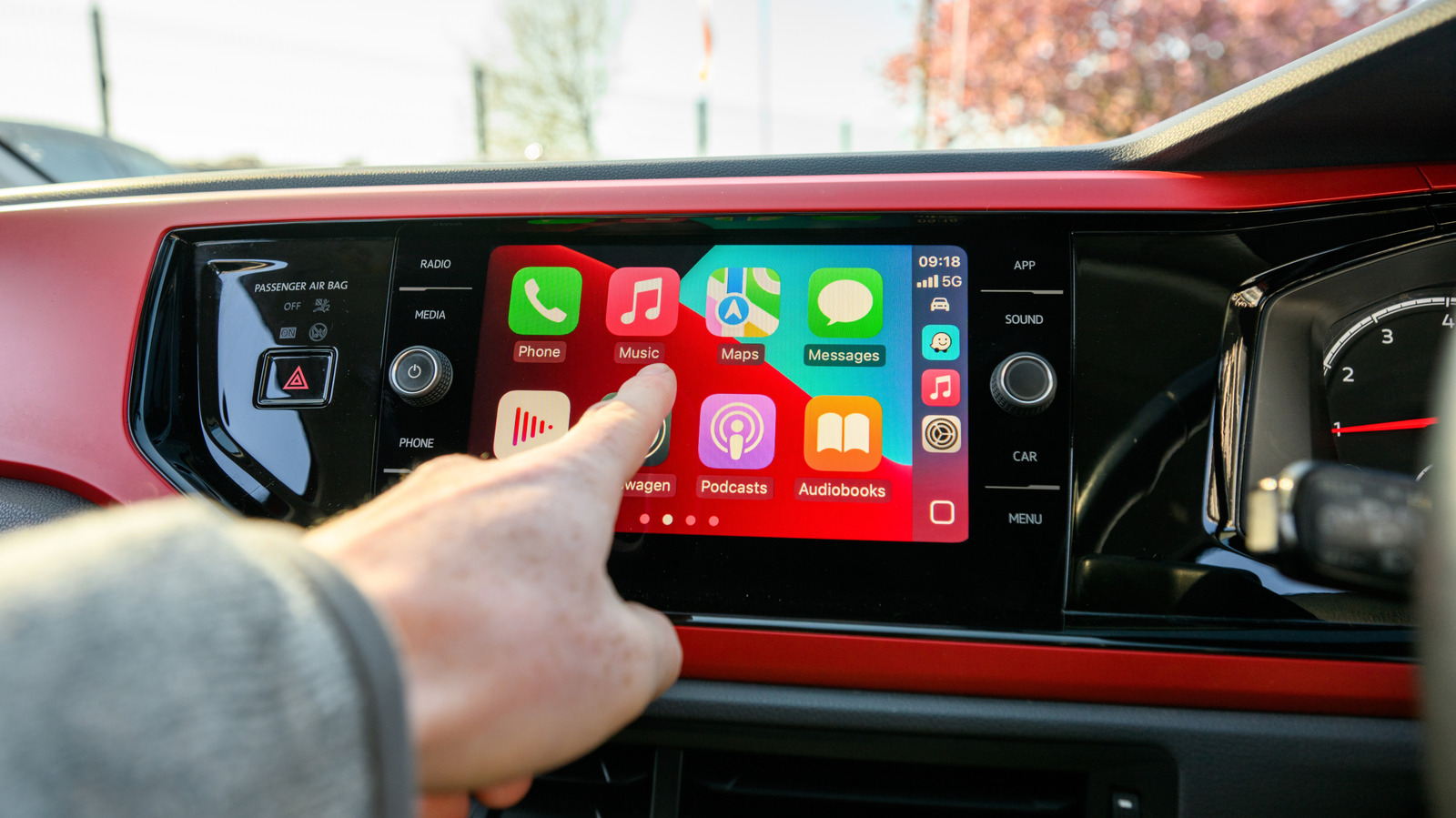
iOS 27's new CarPlay features illustrate the sharpest version of the pattern. As Engadget reported, car owners with CarPlay support can enjoy many new features with the release of iOS 27, but not all iPhone models can support them all. The operating system version is necessary but not sufficient; the hardware determines what actually turns on. This is not a bug or an oversight but a design choice, and it produces a fragmented experience within a single release. US consumers who update on day one may find that the headline features of a release simply do not apply to the phone in their pocket, and the burden falls on them to determine which capabilities their specific device supports.

Three platforms, one underlying logic

Taken together, the three stories describe the same structural shift across Windows, iOS, and the app ecosystems that sit on top of them. The operating system release is no longer the unit of change; the unit of change is the individual capability, shipped when ready, gated by hardware, and sometimes withdrawn when it breaks something else. Microsoft's audio regression shows that continuous delivery can cut both ways. Adobe's Lightroom feature shows that app vendors can route around the OS cycle entirely on iOS, iPadOS, and Android. Apple's CarPlay gating shows that even within a single OS release, capability is distributed unevenly by device. The common thread is disaggregation: features, fixes, and limitations arrive separately, and the version number tells users less than it used to.

What it means for US companies and consumers

For US technology companies, the implication is that the operating system is becoming a coordination problem rather than a product. Microsoft has to manage regressions in codecs and audio paths that third-party developers and game studios rely on, as the KB5124010 episode shows. Apple has to communicate which iPhones support which CarPlay features, because the gap between the release and the experience is where customer frustration accumulates. Adobe has to maintain parity across iOS, iPadOS, and Android for a generative AI feature, which is a different kind of engineering cost than shipping inside one OS. For US consumers, the practical guidance is unglamorous: check device compatibility before expecting a feature, expect updates to occasionally break things that previously worked, and recognize that the most useful new tools may arrive through an app update rather than a system one. None of this is new in kind, but the three stories arriving in close succession suggest it is now the normal state of the platform rather than an exception.

What to watch

The next signal to watch is how Microsoft characterizes the KB5124010 fix, and whether the AC-3 decoding regression is treated as an isolated incident or as a symptom of preview-channel testing that lets audio-path bugs reach users. On the Apple side, the question is how the company documents the CarPlay feature split across iPhone models, since Engadget's reporting makes clear the division exists and users will need a clear map. On the app side, watch whether Adobe extends the Lightroom eye-opening feature consistently across iOS, iPadOS, and Android or lets it drift by platform. Each of these is a test of whether platform owners and app vendors can make uneven delivery legible to the people who depend on it.

More on this beat: Software on TechManNews.

#operating systems#Windows 11#iOS 27#CarPlay#mobile apps#platform updates

Newsletter

Get Tech News in Your Inbox

The latest AI, gadgets, software and startup stories from TechManNews, delivered every morning - free.