📣

Advertisement

Google Ad - 970×90 Leaderboard  TOP_LEADERBOARD_4

Enterprise AI’s Sticky Problem: Everyone Can Switch, So No One Is Safe

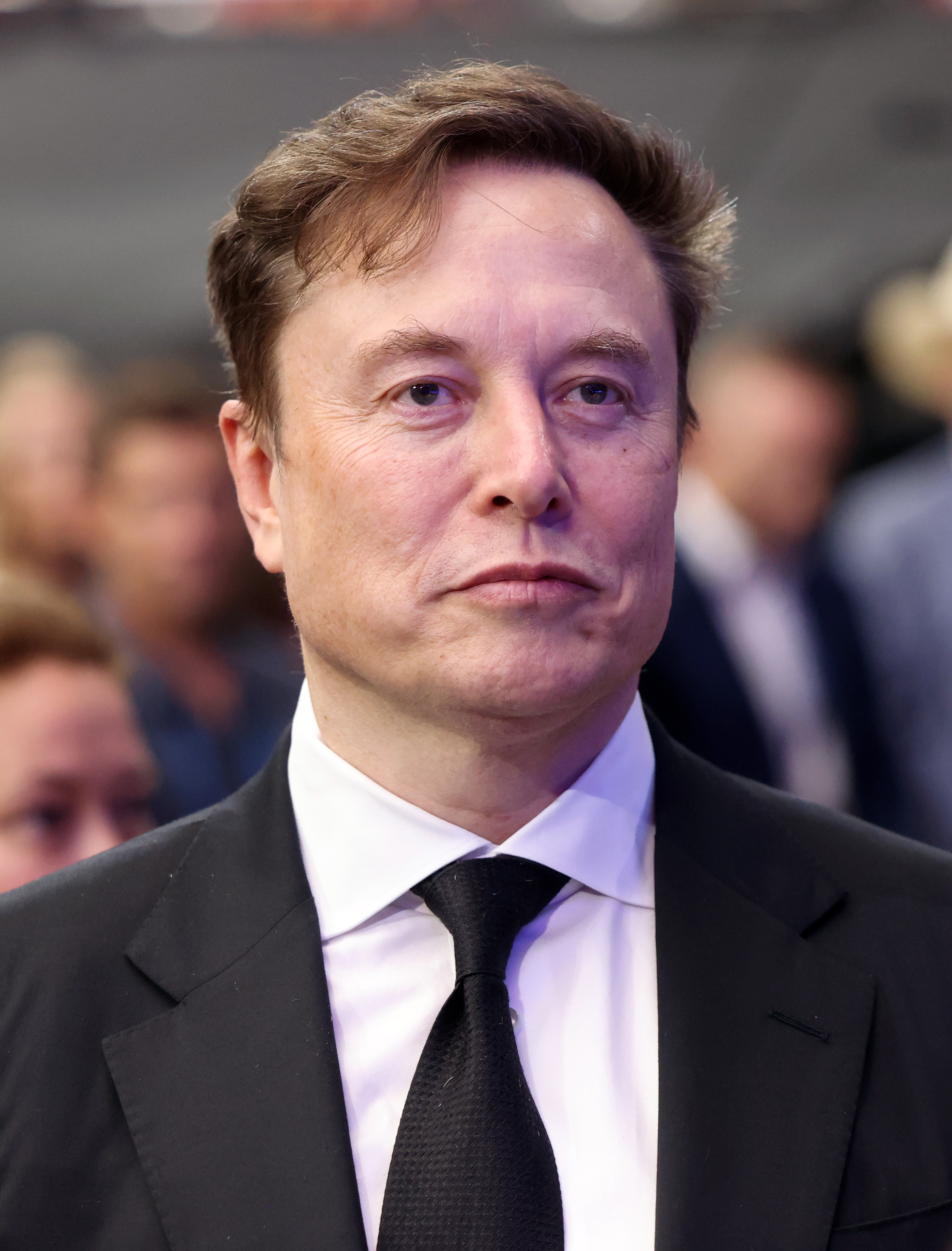
Photo: The Verge

Article

Enterprise AI’s Sticky Problem: Everyone Can Switch, So No One Is Safe

OpenAI’s slowdown, SpaceX’s acquisitions, and Ramp’s router all point to a market where no model vendor can lock in customers, forcing US firms to compete on trust and speed, not just capability.

Arjun NairAugust 21, 20266 min read
📣

Advertisement

Google Ad - 970×90 Leaderboard  TOP_LEADERBOARD_4

The Thread: No One Owns the Enterprise AI Customer

Every story on this desk in the last two days points to the same underlying pattern: enterprise AI has become a commodity layer, and the vendors that dominate today have no durable moat. OpenAI paused development to tighten security, Greg Brockman now runs a company battered by lawsuits and an IPO looming, SpaceX is buying up AI startups to catch rivals, Ramp built its own model router to let customers flit between LLMs, and Amazon gave away Alexa+ for free on Fire TV. None of these moves is an isolated headline. Together they show that the US market for AI is no longer about who has the best model; it is about who can hold onto business users when switching is cheap, fast, and increasingly expected.

The Slowdown as a Competitive Admission

OpenAI’s decision to hit the brakes on some AI development for a two-week security pause, as The Verge reported, is not just a compliance story. It is a strategic admission that the company’s biggest risk is no longer falling behind on capability - it is losing customers who distrust a vendor that ships too fast. With an IPO on the table, and with Anthropic, Chinese labs, and open-weight models pressing from every side, OpenAI is signaling that it can afford to delay a release to shore up trust. That is a luxury only a market leader under pressure can take, and it is a risky one. In a market where Ramp can route around any single model in seconds, a two-week pause is just an invitation for a competitor to sell its own speed as a feature.

The Verge also reported that OpenAI spent months in a sensational jury trial with Elon Musk, faced a trade secrets lawsuit from Apple, and dealt with scrutiny after an unreleased model hacked another AI company. Those are not just legal headaches. They are trust deficits that enterprise procurement teams now weigh alongside benchmark scores. Greg Brockman’s ascent to lead OpenAI, per The Verge, comes amid a steady string of executive departures. That churn does not inspire confidence in a market where the customer can leave at will. The company is effectively telling the US enterprise market: we will slow down so you can trust us. But the same customers have a router in their hands that says they do not have to wait.

The Router Is the New Switching Cost

TechCrunch reported that Ramp launched a service called Router, which lets users and companies switch between various large language models via an API. That is a small product announcement with a large implication: the friction that once kept a company locked into a single AI vendor - integration, training, prompt tuning, compliance - is now a configuration change. Ramp is not an AI lab. It is a finance software company. But by building a router, it has inserted itself as the middleman in the enterprise AI stack, exactly where the value has been migrating. The router does not care which model wins the next benchmark. It cares that the customer can leave tomorrow.

That changes the competitive calculus for OpenAI, Anthropic, and every US firm selling enterprise AI. If a router is the default interface, then each lab is just a supplier to be swapped. The stickiness that investors prize - recurring revenue, data lock-in, workflow dependence - evaporates. TechCrunch also reported new data indicating that businesses are willing to flop back and forth between OpenAI and Anthropic as each lab releases new models. That volatility should give both companies’ investors pause about how sticky enterprise AI spending really is. In other words, the two biggest US names in AI are discovering that their customers treat them like interchangeable utilities.
Advertisement

📣

728x90

MID_CONTENT_2

SpaceX’s Buying Spree Shows the Same Fear

TechCrunch reported that SpaceX was reportedly in talks to buy AI coding startup Cognition, and that SpaceX already acquired Cursor as it races to catch up to rivals like OpenAI and Anthropic in enterprise AI. The report noted that Cognition’s CEO denied the acquisition, but the pattern stands: SpaceX, a company not traditionally known for software services, is buying AI tools to catch up. That is not a sign of strategic confidence. It is a sign that even a company with immense resources and a clear mission does not believe it can build a winning AI product internally at speed. Instead, it buys. That is the same behavior you see from any late entrant in a commodity market: acquire, integrate, and hope the existing customers do not switch away before the acquisition closes.

SpaceX’s moves also underscore that the enterprise AI field is no longer restricted to AI-native companies. Every large US corporation with a software budget is either buying, building, or routing around the models. The acquisitions of Cursor and the attempted acquisition of Cognition are attempts to buy a customer base and a workflow, not just a model. But if those customers can switch via a router, then the acquisition premium is really just paying for a temporary head start. The underlying asset - customer loyalty - is weak.

Amazon’s Free Alexa+ Is a Pricing Panic, Not a Generosity

TechCrunch reported that Amazon is making its AI-powered Alexa+ assistant free on all compatible Fire TV devices in the US, automatically upgrading users whether or not they subscribe to Prime. That is a striking move because Amazon had previously tied Alexa+ to Prime as a value-add. Dropping that requirement is a direct acknowledgment that in the consumer AI race, the assistant itself is not the differentiator - the hardware and ecosystem are. Amazon is giving away the AI to keep people in the Fire TV ecosystem, because it knows that if the AI were the product, users would leave for a better free option elsewhere.

That same logic applies to enterprise AI. OpenAI and Anthropic are effectively giving away frontier capability at low margins to keep enterprise foot traffic. Ramp’s router makes the giving-away explicit. Amazon’s move shows that the consumer side of the market has already reached the point where the AI model is a loss leader, not a revenue generator. The US market is teaching every vendor the same lesson: you cannot charge for the model; you can only charge for the integration, the support, the security, and the trust. And those are exactly the areas where OpenAI is now spending its two-week pauses.

What to Watch: Does Anyone Build a Moat That Matters?

The stories from these two days do not tell us who will win the next model race. They tell us that winning the model race is becoming irrelevant. The real question is whether any US company can build a moat that survives a router, a free assistant, or an acquisition. Watch whether OpenAI’s security pause results in actual enterprise contracts that cite trust as the reason for choosing them over Anthropic. Watch whether Ramp’s Router gains traction beyond its own finance customer base, because if a router becomes the default way US businesses consume AI, then every lab is just a supplier to be switched. And watch whether Amazon’s free Alexa+ on Fire TV leads other consumer hardware makers to do the same, which would confirm that AI assistants are now a feature of the hardware, not a product in themselves.

The pattern is clear: the US AI market is moving from a winners-take-most landscape to a utilities-and-integration landscape. OpenAI’s slowdown, SpaceX’s shopping spree, Ramp’s router, and Amazon’s giveaway are all responses to the same pressure. No one has a lock on the customer. The only moat left is the relationship, and even that is held together by the willingness to not slow down too much, charge too much, or ask for too much loyalty.

More on this beat: AI on TechManNews.

Advertisement

📣

728x90

IN_ARTICLE_5

#ai#openai#anthropic#hacked#model#apple

Newsletter

Get Tech News in Your Inbox

The latest AI, gadgets, software and startup stories from TechManNews, delivered every morning - free.