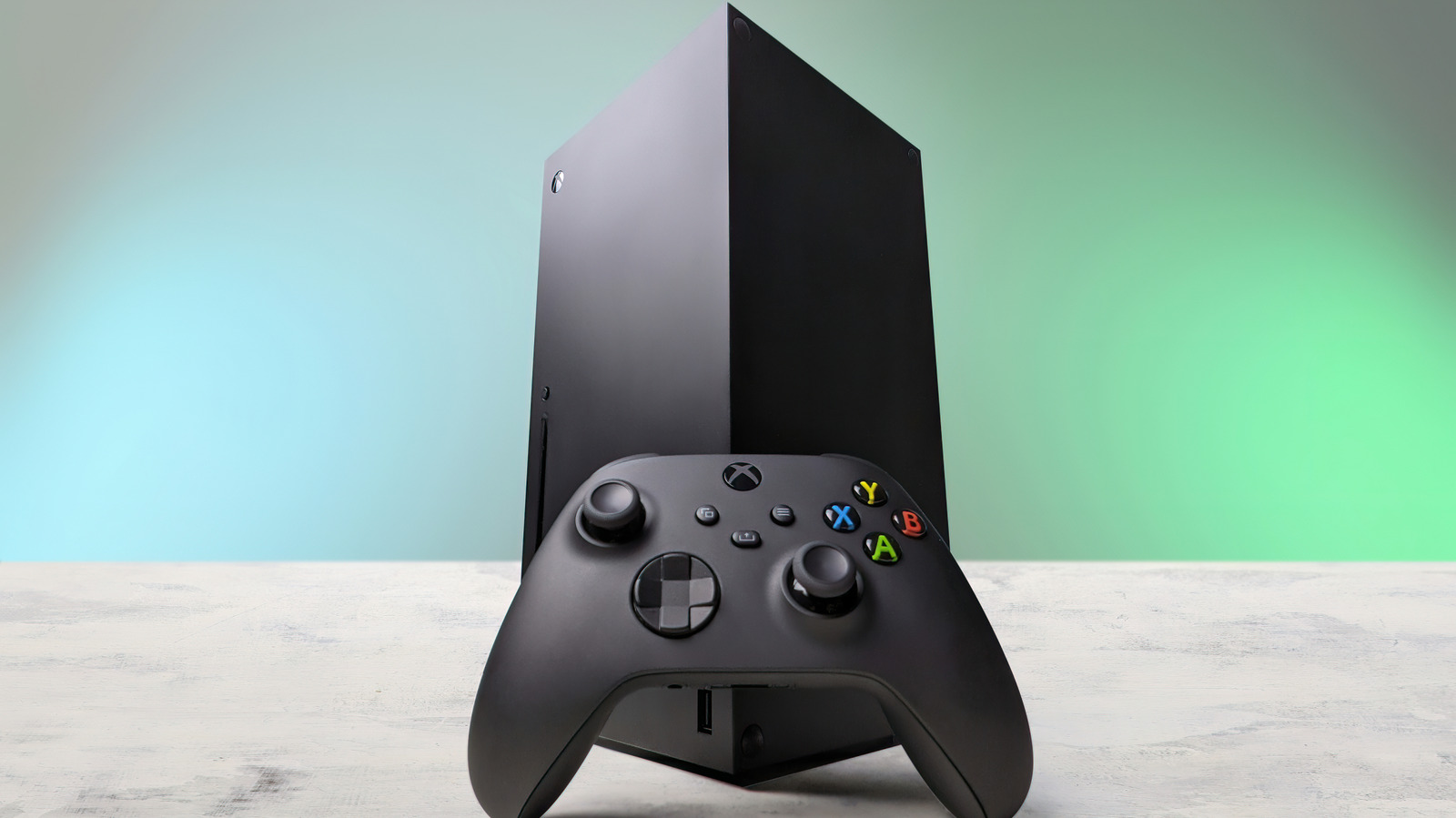
Microsoft's Xbox consoles offer backward compatibility across three generations of games, while Sony's PlayStation 5 supports only PS4 titles, a gap that gives Xbox an advantage for players seeking older, cheaper games. The difference stems from choices Sony made before the PS5 launched, and it means PlayStation owners who want pre-PS4 classics must rely on re-releases or subscription catalogs.
The Xbox platform can run selected games from the original Xbox, the Xbox 360 and the Xbox One, and access does not require a Game Pass subscription. Most of those titles come from the 360 and One libraries, but the total still comes to nearly 4,000 games. Some of them can also be played on Windows PCs.
Sony's situation traces back to the PS5's development. Jim Ryan, then CEO of Sony Interactive Entertainment, told Japan's Famitsu in 2020 that the company had prioritized new technologies, including the DualSense controller and the shift to SSD storage, and chose to limit backward compatibility to PS4 support. As a result, the PS5 does not play games from the first three PlayStation consoles.
Pre-PS4 games are not entirely absent on PS5, but the routes to them are limited. Players can access them through PS4 re-releases or through the PlayStation Plus Classics Catalog, which requires a PlayStation Plus Premium subscription priced at $20 per month or $160 per year, or they can buy individual classic games.
Sony has also reportedly pulled back from porting new games to Windows, which leaves PlayStation fans without an avenue comparable to Xbox's PC playback of older titles. That contrast extends to specific games: titles such as SSX Tricky are not offered as PS1 or PS2 releases.
Both console families are widely expected to carry their current compatibility forward to the next generation of hardware, whenever those consoles ship. Consoles have increasingly moved away from proprietary technology and toward PC-like designs, which can limit optimization but allows the use of off-the-shelf or semi-custom parts from companies such as AMD. The PS5, for example, uses AMD Zen 2 architecture with a custom GPU.
It is not yet known whether Sony will try to restore compatibility with pre-PS4 titles. Emulation of those games is already possible on PCs through unofficial tools, but official support is a different matter, since the emulation community tolerates flaws such as graphics glitches, poor performance and missing features that a commercial product would not.
Value-adds may matter more for the next generation of platforms. Memory prices are climbing steeply, and the RAM and storage in the next PlayStation alone could cost Sony more than the price of a PS5, which would push next-generation console prices toward those of a PC and could undercut a main reason to buy one.
More gadget news from TechManNews.