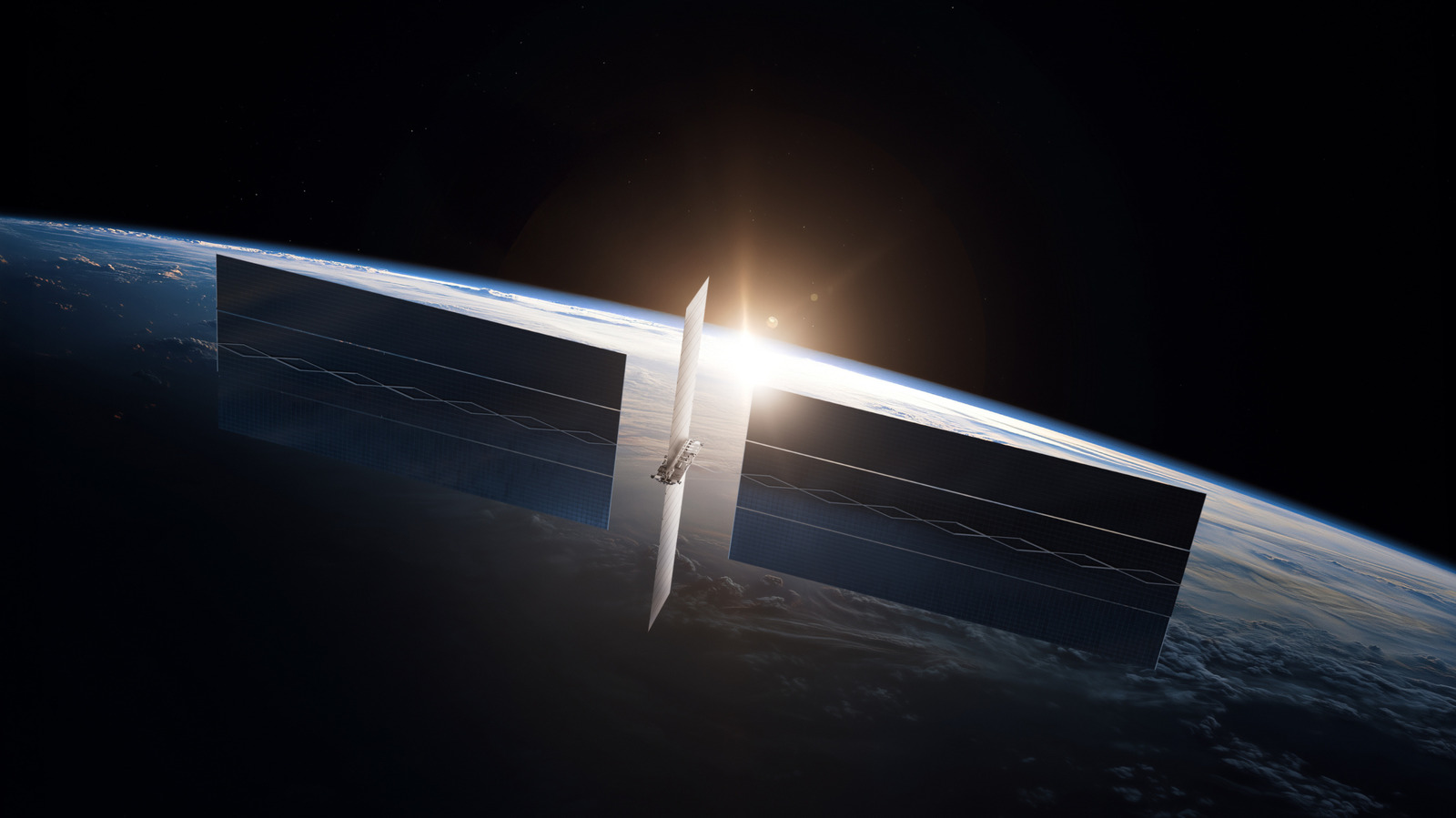
SpaceX is moving forward with plans to launch its Starmind orbital data center project, and the company has confirmed that NVIDIA will supply the computing hardware for the initial satellites. During a recent earnings call, Elon Musk said the first Starmind AI1 satellite is not a distant concept and that launches could begin as early as next year, though that timeline strikes many critics as overly optimistic. The project is part of a broader push by tech firms to move computing infrastructure into orbit, addressing terrestrial issues like land scarcity, power shortages, and environmental limits.
The AI1 satellites are designed to deliver AI results back to Earth using high-speed laser links tied into SpaceX’s Starlink network. Each satellite is expected to carry roughly 72 NVIDIA chips, matching the compute density of a single NVIDIA server rack, and produce up to 175kW of computing power on average. SpaceX has said the satellites will use NVIDIA Rubin GPUs and Vera CPUs, built around the Vera Rubin NVL72 rackscale system that NVIDIA markets as Space-1. According to the company, that module delivers up to 25 times more AI compute than the earlier H100 GPU model.
SpaceX’s long-term goal is to deploy up to a million of these large satellites into low Earth orbit, a plan it filed with the Federal Communications Commission. The company intends to power the satellites with a large solar array that, in a sun-synchronous orbit facing the sun about 98 percent of the time, would generate 210kW of power. Heat dissipation would be handled by liquid radiators spanning 1,700 square feet, releasing heat into the vacuum of space. Musk has suggested that much of the technology needed for Starmind already exists in the Starlink V3 satellite program.
Still, experts question whether the most advanced chip architecture is the right choice for space. Dr. Benjamin Lee, a professor at the University of Pennsylvania, has warned that newer chips are more susceptible to bit flips, where radiation from solar weather forces the binary ones and zeros in a chip’s memory to swap values. He explained that smaller transistors require less charge to represent a one, making them more vulnerable to interference. While modern systems can detect and correct such errors, Lee noted that repeatedly doing so would slow down computations and add overhead that terrestrial data centers do not face.
Cost and logistics present additional barriers. A Bain policy brief from this past July estimated that data center launches need to cost between $50 and $100 per kilogram to be economically viable, while SpaceX’s Falcon Heavy currently operates at roughly $1,500 per kilogram. The AI1 satellite is also too large for the Falcon 9 rocket, meaning the project depends on the still-in-development Starship vehicle. SpaceX would also need to scale its launch frequency far beyond the current global rate to maintain a constellation of that size.
Once in orbit, the satellites face maintenance challenges, as many observers believe SpaceX would replace outdated units rather than repair them in space. A Meta study on its Llama 3 model training found hardware failures occurring as often as every three hours on the ground, suggesting space-based systems could encounter more frequent issues. With up to a million satellites proposed for low Earth orbit, concerns also include the risk of collisions with debris and other spacecraft, as well as the environmental impact of a crowded sky.
More AI news from TechManNews.