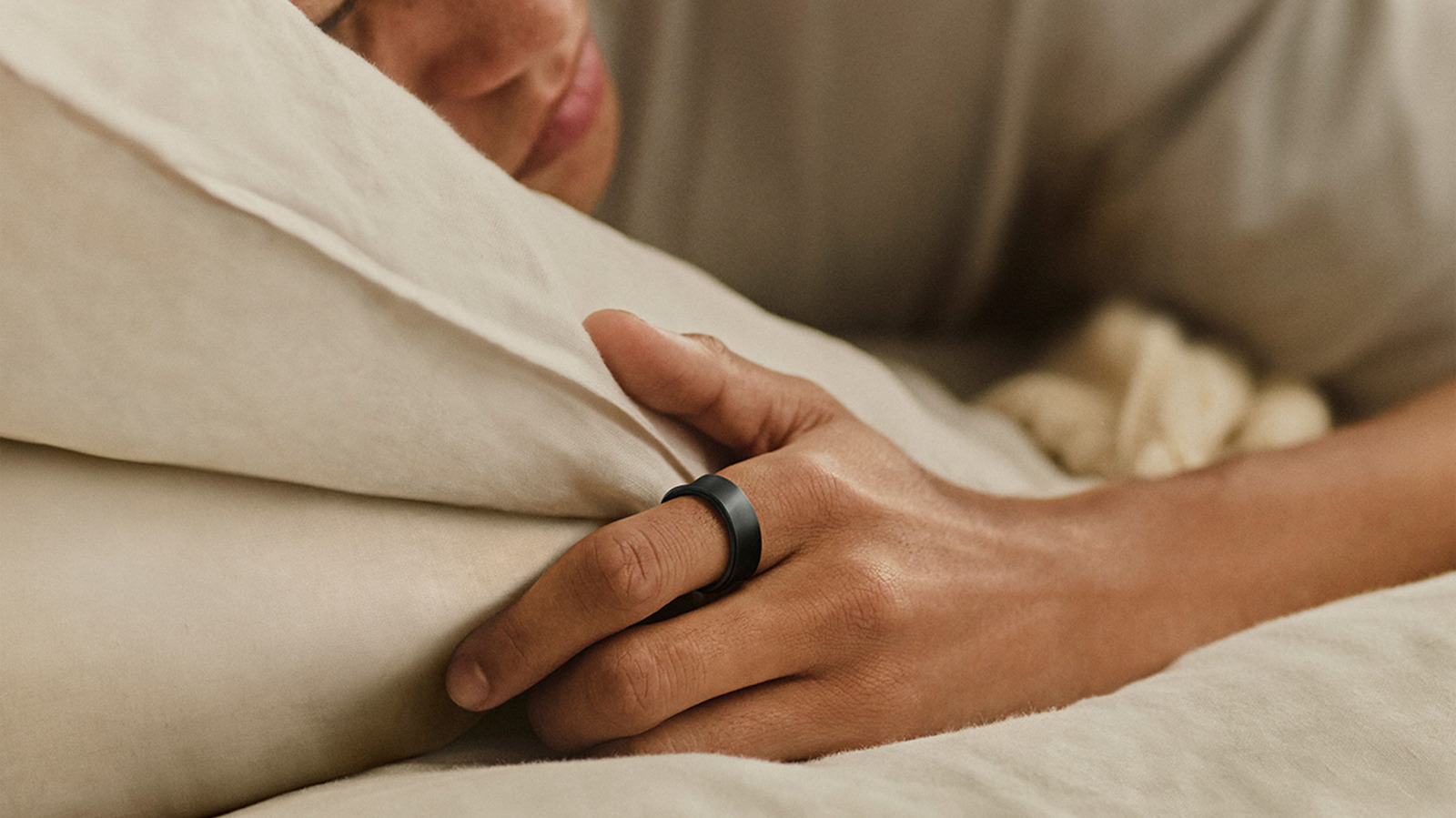
Samsung's Galaxy Ring can now detect a wider range of sleep apnea after the Food and Drug Administration cleared an upgraded version of the feature in July, the company said. The change may help U.S. wearers understand why they still feel worn out after a full night's sleep.
The new capability relies on AI to measure how often a user's breathing is interrupted during each hour of sleep. If a person logs at least five hours of sleep on two nights within a ten-day window, the Samsung Health Monitor app can classify the condition as mild, occasional or frequent. Samsung notes that only a physician can properly diagnose sleep apnea, but says the readings can help users have more productive conversations with their doctors.
Samsung's devices first earned De Novo FDA authorization for sleep apnea detection in February 2024. That category applies to health features that have not previously been sold and that pose no danger to users. The earlier clearance covered only signs of moderate to severe sleep apnea, while the new version extends to milder cases.
The advanced detection is available now on the Galaxy Ring and on the Galaxy Watch 9 running Wear OS 7.0 or later. Samsung said it will reach the Galaxy Watch 7 and Galaxy Watch 8 through software updates in the future. The company also recently revised its Sleep Coaching feature so that it requires less data than before.
Neither of the Galaxy Ring's main rivals, Oura and Superhuman, offers sleep apnea detection cleared by the FDA, though both can track nighttime disturbances that may point to the condition. Samsung and Oura are currently in a legal dispute over smart ring patents, with a preliminary ruling expected soon.
The FDA action gives Samsung a regulated health feature its closest competitors lack, a distinction that could matter to U.S. consumers comparing smart rings. The Galaxy Ring and Galaxy Watch 9 are the first Samsung devices to carry the expanded labeling, with older watches set to follow.
More gadget news from TechManNews.