SpaceX plans to launch its 14th Starship mission as early as September 22, pending regulatory approval, the company said this week. The flight would mark the first time SpaceX attempts to send the experimental vehicle into orbit. SpaceX set a target liftoff time of 7:15 am local in Texas, with a 75-minute launch window. On Thursday, new notices to mariners indicated the launch target had slipped to September 28.
The super heavy lift rocket will carry 26 of the larger V3 Starlink satellites into an orbit 275 km above Earth. SpaceX said the Starship upper stage will seek to complete six orbits around Earth before completing its mission after about 10 hours. Reaching orbit would mark a significant milestone in the company's Starship development campaign, which conducted its first test flight on April 20, 2023, and has since made progress in fits and starts.
Italian launch services provider Avio has seen an influx of customers who were unable to secure launch opportunities with SpaceX, European Spaceflight reports. Avio CEO Giulio Ranzo said during the company's September 10 earnings call that SpaceX has already gone captive because a whole bunch of customers are coming to Avio asking to be flown. In recent months, SpaceX told multiple prospective customers that it was no longer accepting new orders for commercial Falcon 9 launches. According to Ranzo, some customers turned away by SpaceX used the International Space Summit in Paris last week to lobby European institutions for financial support to help offset the higher cost of launching with a European provider. Prices for Avio's Vega C rocket are not public, though a launch on the solid-fueled rocket likely costs about $60 million.
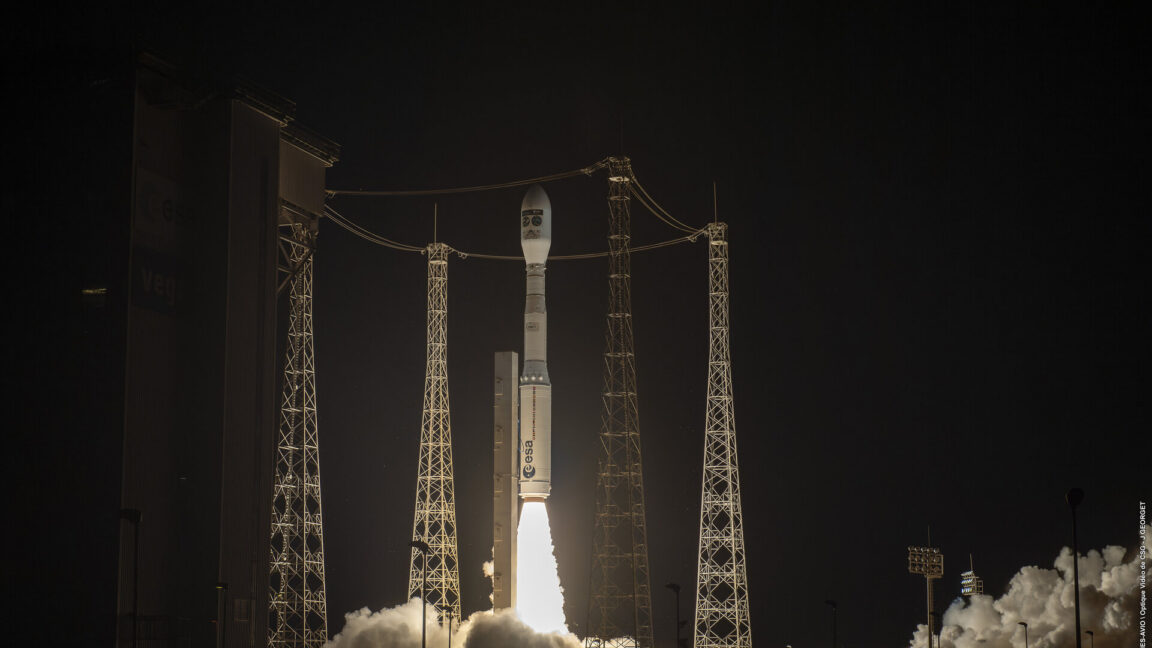
Speaking of Avio, a Vega C rocket launched on Tuesday from French Guiana, successfully carrying the European Space Agency's FLEX Earth Explorer satellite and the Copernicus Sentinel-3C into low-Earth orbit. It was just the second launch of the Italian-made Vega rocket this year. A new launch adapter called Vespa allowed both satellites to be stacked inside the rocket's fairing, the European Space Agency said. An evolution of Europe's Vega family of rockets, Vega-C can launch 2.3 metric tons into low-Earth orbit.
Separately, French launch startup Sirius Space Services has successfully test-fired a complete prototype of its STAR-1 rocket engine for the first time, European Spaceflight reports. The company announced the milestone on Sunday, stating that it had conducted the first hot-fire tests of the complete STAR-1 engine at Airborne Engineering's propulsion test facility in southern England. According to the company, the testing included multiple successful ignitions and marked the first time all of the engine's critical subsystems had operated together, including the turbopumps, combustion chamber, injector plate, avionics, and software. The liquid oxygen and methane-fueled STAR-1 is designed to produce 55 kN of thrust and will be used across the company's planned family of launch vehicles, which will use a common core stage featuring nine STAR-1 engines.
More technology news from TechManNews.