Nvidia has agreed to acquire Hugging Face, the developer platform known for its extensive library of open-source data sets and AI tools, for nearly $13 billion. The deal, which had been rumored for weeks, was confirmed by the companies on Thursday morning. The acquisition signals Nvidia’s push to strengthen its position in the software side of generative AI, not just the chips that power it. Nvidia already offers its own suite of free, customizable open-weights models under the name Nemotron.
As part of the announcement, Nvidia committed to maintaining Hugging Face’s current open standards, positioning itself as a greater resource for developers seeking nonproprietary tools. The move also highlights Nvidia’s stance that open-weights models are better for the tech industry than closed, proprietary systems like those from OpenAI and Anthropic. Earlier this month, Nvidia rallied more than 80 companies to sign an open letter urging the US government to defend open-weight AI models. Nvidia also launched an initiative called SAFE, or Shared AI Findings Exchange, which encourages tech firms to confidentially collect and analyze AI incidents and near misses, and to publish evidence-based operating recommendations.
Nvidia CEO Jensen Huang said in the press release that open models let startups, businesses, universities and public institutions build on advanced capabilities without training every model from scratch, and that AI advances faster when people can build together. Nvidia’s embrace of open-source software may seem like a shift given that CUDA, the proprietary software layer for its GPUs, is itself closed. But as frontier AI labs and large hyperscalers such as Amazon and Meta develop their own custom chips, Nvidia has begun offering high-performance CPUs and widening its software offerings to keep developers on its platforms.
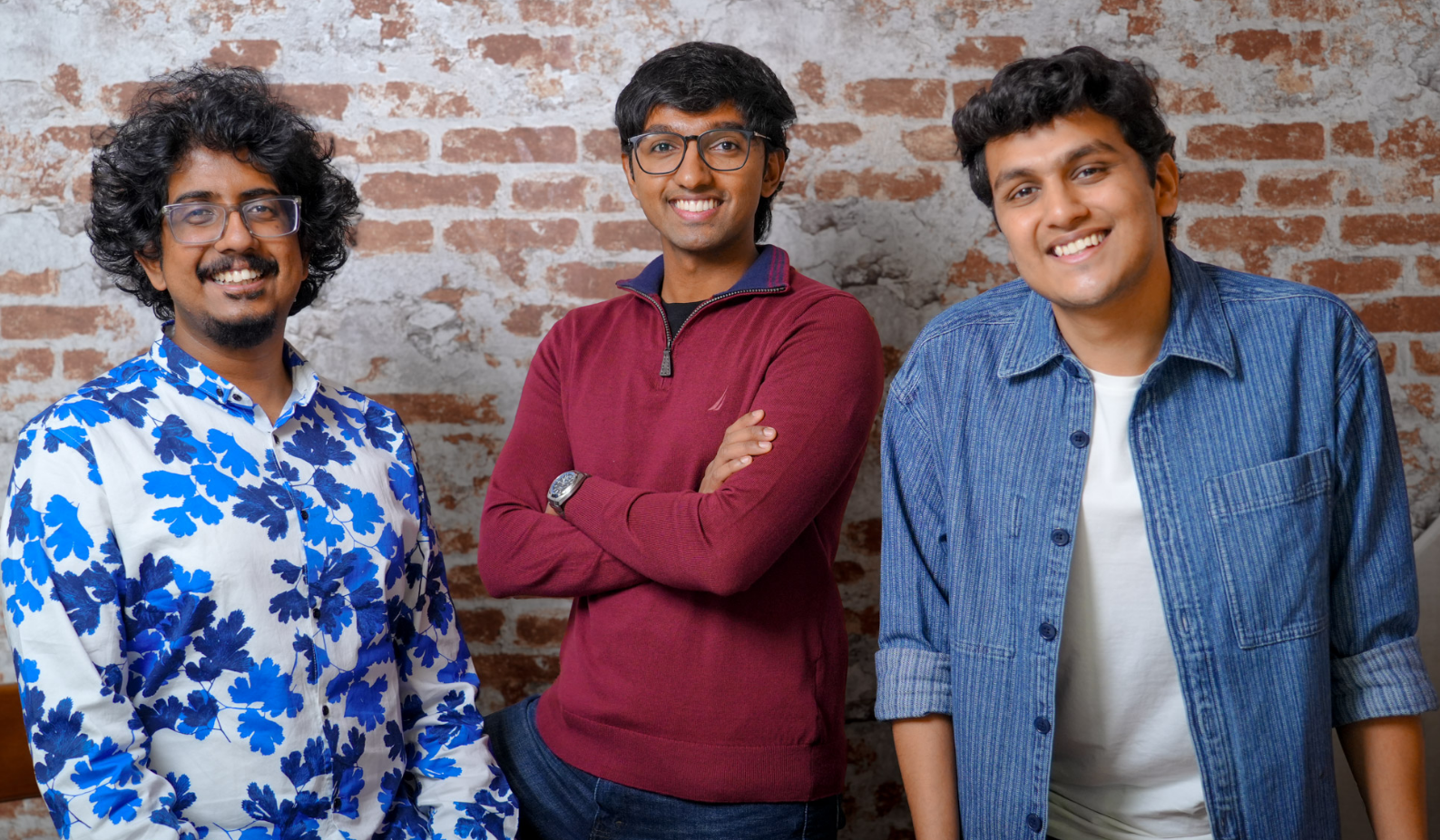
Hugging Face was founded a decade ago by three French entrepreneurs in New York City, who initially wanted to launch an AI “companion” app. That venture did not catch on, but their work building natural language processing tools led them to make complex tech more accessible to developers. The platform eventually became a hub for sharing source code, data sets, and, in the generative AI era, large language models.
Hugging Face cofounder and CEO Clément Delangue wrote on X that open-source AI is at an inflection point, and that the community has shown it can complement or even replace closed-source APIs. He added that for it to scale, it needs more compute, support, collaboration, and visibility. According to PitchBook data, Hugging Face raised nearly $400 million in venture capital funding as of December 2025. Its backers include Betaworks, Lux Capital, Sequoia Ventures, Coatue, and Addition, as well as individual investors such as Greg Brockman, Richard Socher, and NBA player Kevin Durant.
Hugging Face recently drew attention after its platform was hacked by AI agents from OpenAI, sparking industry-wide discussion about the safety and manageability of autonomous agents championed by top AI companies. In a 2023 CNBC interview, Delangue predicted that the number of developers working with AI models would soar, estimating that within five years there would be 100 million AI builders. He said that if all of them used Hugging Face daily, the company would be in a good position.
More AI news from TechManNews.