A modder known as MAAN has gotten Nvidia's DLSS 5 neural rendering technology running inside a web browser using WebGPU, according to a demo posted to X on September 16, 2026. The browser port runs on non-Nvidia GPUs and on macOS, though each DLSS 5 render takes a second or two. The demo accepts common 3D formats by file upload or drag-and-drop, and MAAN said users can try it with their own models.
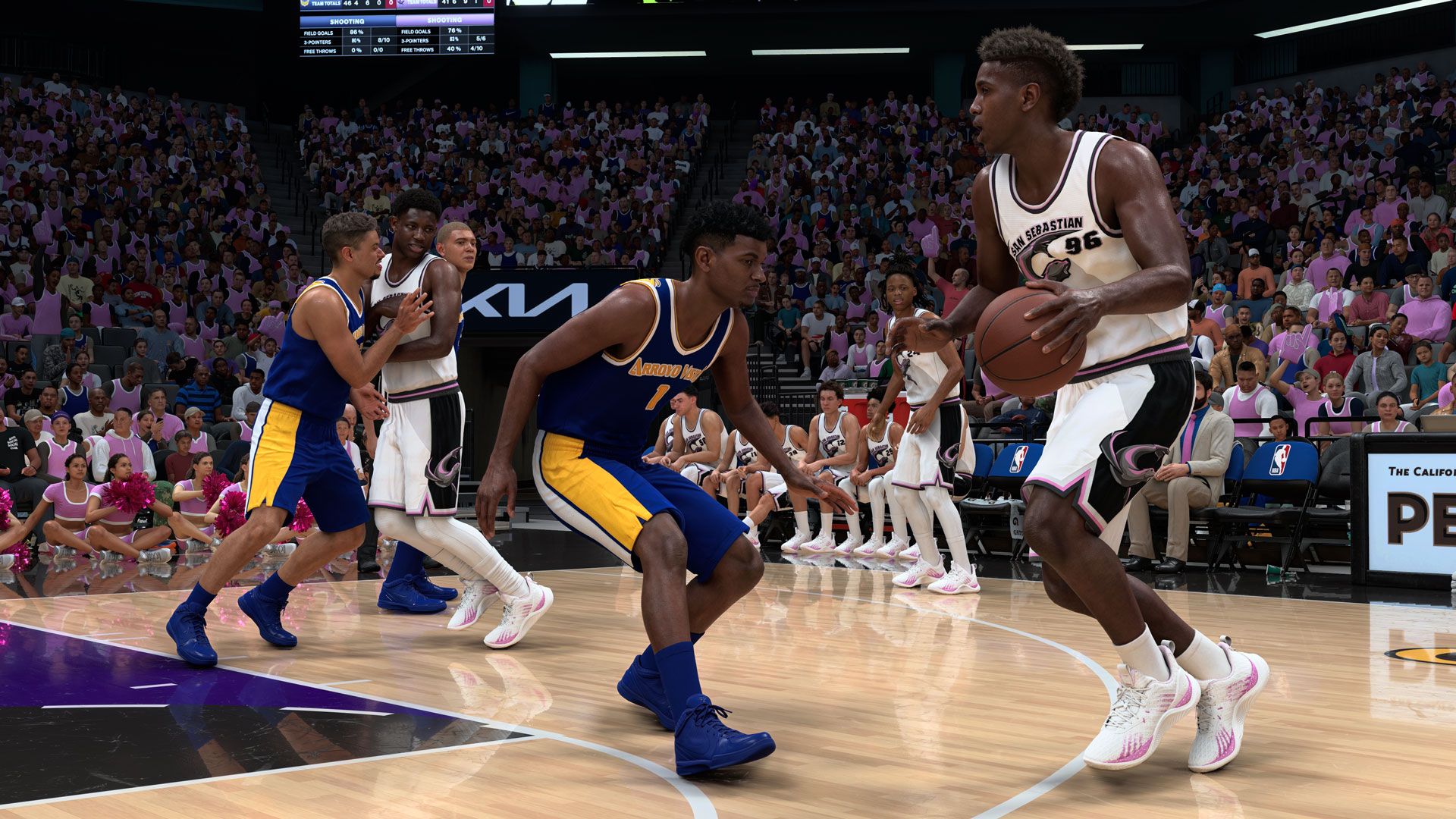
DLSS 5 is Nvidia's AI-driven neural rendering feature for improving graphical quality. Nvidia launched it earlier this month for NBA 2K27, the first game with official support for the technology. Officially, DLSS 5 is limited to RTX 50-series hardware, aside from GeForce NOW. Since launch, the DLSS 5 DLL file has been pushed onto RTX 40- and RTX 30-series cards and even AMD hardware, and a separate mod unlocks it for RTX 20-series hardware. Nvidia has said official RTX 40-series support is coming.
MAAN said the demo is DLSS 5's neural network reimplemented using WebGPU compute shaders. The model weights are around 147MB, with a JavaScript runtime of around 1MB compressed. According to MAAN, the demo uses model weights extracted from a leaked DLSS 5 library file, and MAAN did not know whether that file differs from the official one. MAAN plans to publish the source code on GitHub this weekend.
Normally, Nvidia offers DLSS through its NGX interface or the Streamline SDK on DirectX and Vulkan. The documentation does not list WebGL or WebGPU. WebGPU itself has no trouble running on macOS, so the notable part is the DLSS implementation. A DLSS render would normally require an RTX GPU and Nvidia's driver, but a WebGPU implementation would not inherently require Nvidia hardware.
In a quick test of the demo on an RTX 40-series desktop, the 3D viewer was smooth to rotate, but each DLSS 5 render took a second or two and was notably slow in live mode. The approach could suit architecture, 3D model previews, and other work where real-time speed matters less. Because of the technology's current restrictions, a browser demo offers a way for more people to see the effect on a model without owning the game or the appropriate hardware.
More software news from TechManNews.