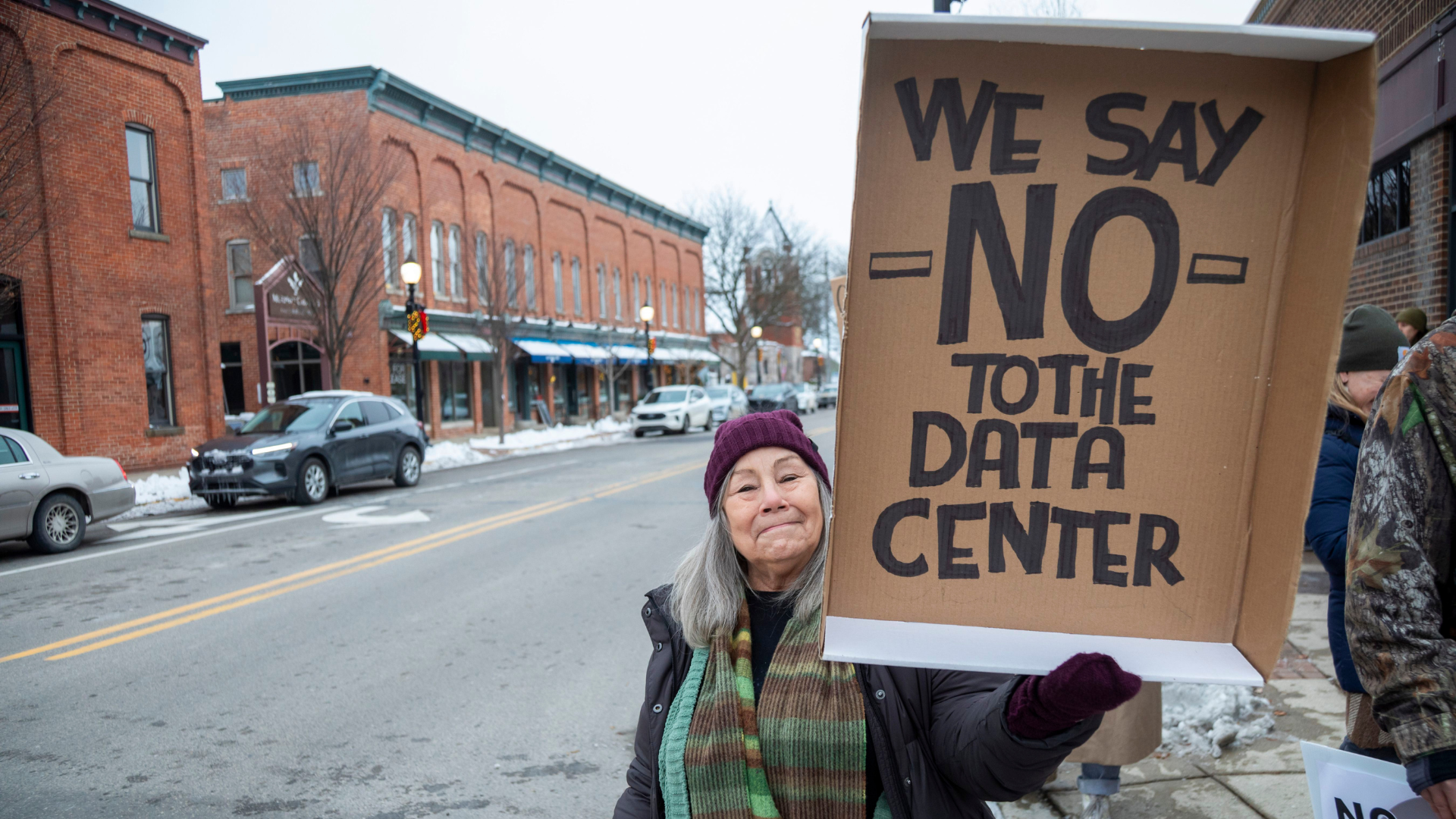
Local opposition blocked 45 data center projects valued at $68 billion during the second quarter of 2026, according to research from Data Center Watch, as resistance to the facilities spreads across the United States. The group counts 843 opposition organizations in every state except Hawaii. The blocked projects reflect growing concern over land usage, noise pollution, and electricity and water consumption, even as investment in AI data centers is projected to reach $32 trillion by 2050.
The scale of the pushback was visible in July, when 142 AI data center protests were staged simultaneously across 42 states over a single weekend. Water use has become a central complaint. AI is reportedly set to consume up to 600 billion gallons of water by 2030, and one project secretly consumed 29 million gallons over a year and three months before low water pressure alerted nearby residents to its existence. Hyperscalers dispute the severity of the issue. OpenAI CEO Sam Altman said 38,000 ChatGPT queries use as much water as producing one almond, while Microsoft says its new data center architecture consumes as little water as a restaurant.
Electricity costs are another frequent grievance. Analysts project data centers will consume 20 percent of U.S. power by 2035. An AI data center in Virginia caused an irreversible 76 percent increase in residents' electricity bills, prompting the state to require hyperscalers to cover the cost of transmission infrastructure built exclusively for the project. Many regions are adopting similar mandates, and hyperscalers are offering to offset bills in many cases.
Those pressures have pushed companies toward on-site power, with some offering to supply electricity back to the grid. Meta signed an agreement with utility Entergy Louisiana for 7 GW of power for its Hyperion facility, and Entergy claims Meta's payment will save other customers $20 billion over 20 years. The shift to off-grid generation has created a new source of protest, because many hyperscalers rely on gas plants for their scalability and speed of availability. Elon Musk's Colossus 2 data center drew criticism after 59 unpermitted natural gas turbines released thousands of tons of pollutants into predominantly black communities in Mississippi. Amazon's custom 35-turbine gas plant has been authorized to emit 33 million tons of greenhouse gases annually, which would make it the largest single source of CO pollution in the U.S.
The dispute leaves both sides dug in. Supporters argue data centers are an absolute necessity and that opposition stifles growth, while opponents say they are only demanding responsible execution and hold nothing against AI. President Trump has condemned communities that opposed data centers, saying they want to end up backwards and poor, and has implied China could be orchestrating the sentiment. Officials across the country are reportedly facing death threats and gunfire over AI data center projects.
More hardware news from TechManNews.