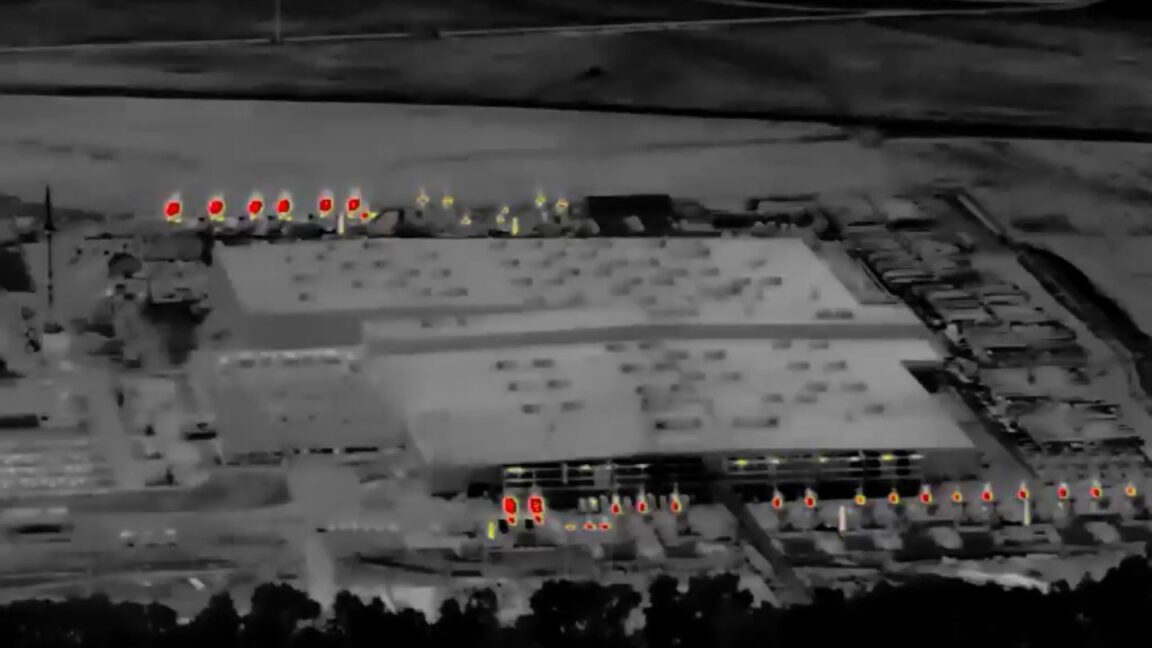
A federal judge on Tuesday rejected the Trump administration’s attempt to shut down a Clean Air Act lawsuit against the company now known as SpaceXAI, ruling that the Environmental Protection Agency cannot unilaterally dismiss a citizen suit. US District Judge Debra Brown found that “nothing” in the Clean Air Act grants the EPA Administrator that authority. The case stems from the NAACP’s lawsuit over unpermitted gas turbines powering Elon Musk’s Colossus data center in Memphis, Tennessee.
The NAACP sued soon after the turbines were discovered, seeking an injunction requiring the company to use the best available pollution control technology and penalties of up to $124,426 per day per violation. The group argued the turbines risked sharply increasing pollution in nearby neighborhoods that are predominantly Black. Trump intervened to try to block the suit, contending that the EPA could dismiss Clean Air Act lawsuits whenever the president decides against enforcement and that allowing citizens to seek large civil penalties would not serve the public interest as his administration pushes to get AI data centers operational quickly.
Brown’s order suggested the power Trump claimed would have let him block any lawsuit alleging data center pollution, and potentially defend any interests against Clean Air Act suits rather than just the AI industry’s. She called the administration’s reading of the statute an “extraordinary position” unsupported by federal law. The government had relied on a narrow exception allowing dismissal when the EPA is itself suing to require compliance, but Brown noted the administration has made clear it does not intend to sue SpaceXAI over the alleged violations.
The judge also rejected Trump’s argument that the constitutional avoidance doctrine required siding with his administration because civil penalties payable to the Treasury are a quintessentially executive power. She wrote that the government identified no ambiguity in the statute that would justify applying that doctrine, and that it cannot be used to invent a right the statute does not contain. Brown added that citizen suits enforcing the law through civil litigation are not an impermissible exercise of presidential power, and that penalties can redress plaintiffs injured by ongoing illegal conduct by encouraging defendants to stop and deterring future violations.
Laura Thoms, an enforcement director for the environmental group Earthjustice, which partnered with the NAACP on the suit, accused Trump of seeking unilateral and unreviewable veto power over citizen suits. She said the administration had worked to shield SpaceXAI from liability and deny local communities the right to protect themselves from illegal pollution. Thoms said her group is monitoring data center fights nationwide, and that the Musk company’s battle was the first to expose the AI industry’s increasingly common use of unpermitted gas turbines to keep data center goals on schedule. She vowed to continue holding xAI accountable for what she described as illegal air pollution.
The ruling arrives as demand for gas turbines from data centers is surging. Had Trump prevailed, Americans increasingly opposed to data centers nationwide could have been widely blocked from seeking fines even when pollution can be proven. Brown wrote that a sanction effectively abating illegal conduct and preventing its recurrence provides redress for injured plaintiffs, and that such penalties encourage defendants to discontinue current violations and deter future ones.
More hardware news from TechManNews.