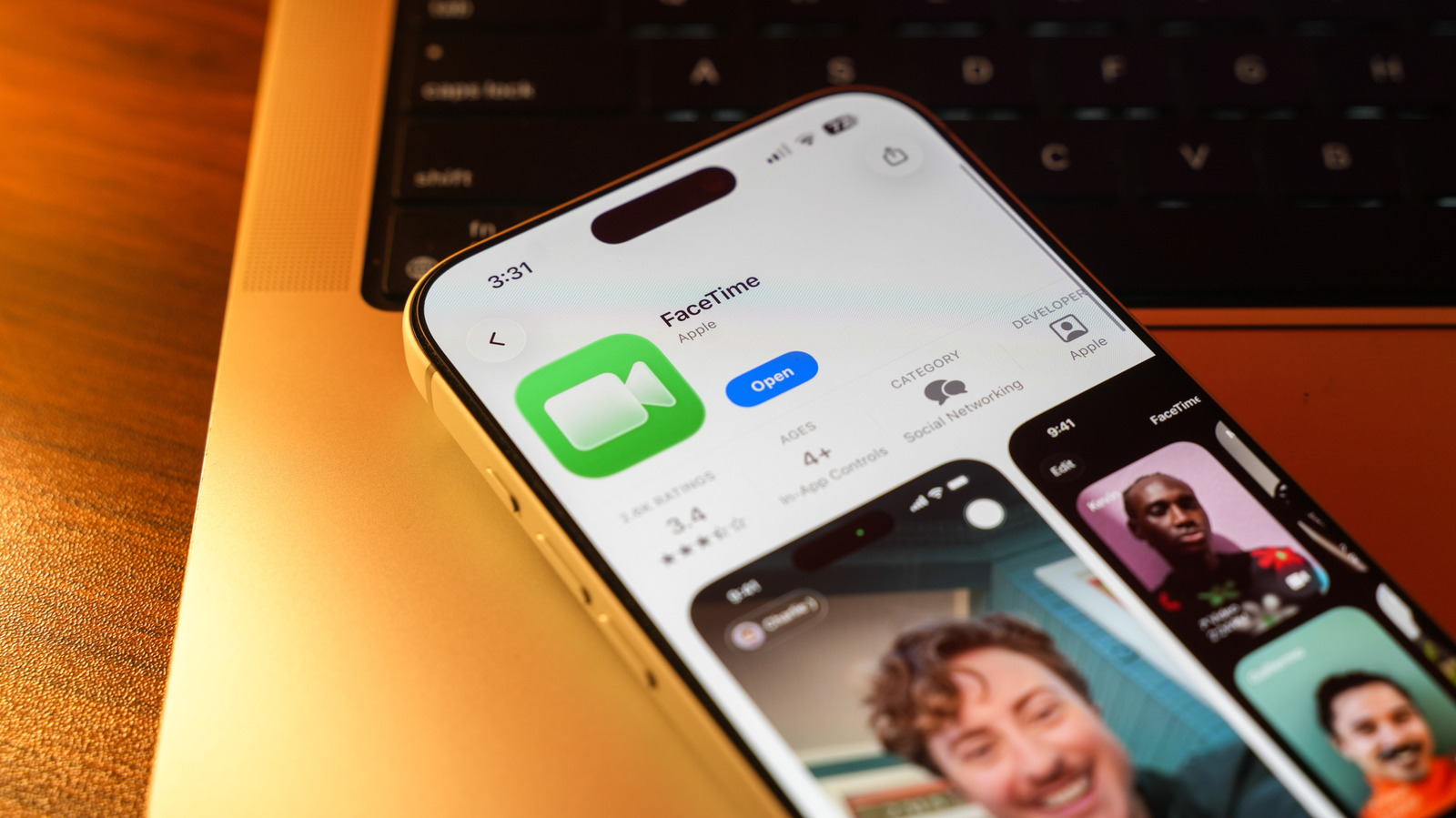
FaceTime, Apple's video calling service, can be used by people who do not own an iPhone or any other Apple device, as long as they join a call through a web browser on an Android phone or a Windows PC. The capability has existed since 2021, when it arrived with iOS 15 and macOS Monterey, but it remains unfamiliar to many users. It requires someone with an Apple device to initiate the call and a non-Apple participant with an internet connection and an updated browser.
The arrangement is not symmetrical. A person on Android or Windows cannot start a FaceTime call; only an iPhone, iPad or Mac user can create one and invite others. That invitation comes as a link, which the recipient opens in a browser and joins by entering a name. The browser may request permission to use the camera and microphone, and the participant grants those permissions and taps Join. No Apple Account is required to take part.
Apple recommends a strong internet signal to keep the call stable and the latest version of Chrome or Edge for the browser. Once connected, the non-Apple participant has access to standard FaceTime call options, including switching to full-screen video, muting the microphone and flipping the camera to show what is in front of them. Both FaceTime audio and video calls are supported through this method.
Two features are unavailable to participants on non-Apple hardware. FaceTime's screen sharing does not work, and neither does SharePlay, which lets people enjoy music, movies, games and other content together during a call. The experience also lacks the seamlessness of using FaceTime on Apple devices, where the app is pre-installed on every device and is generally the first video calling option an iPhone user considers. Apple's own iMessage has a similar reputation for being limited to Apple hardware.
For the Apple device user, sending an invitation is straightforward. Opening the FaceTime app and tapping New Call reveals a green link button in the lower-left corner of the screen. Tapping that button generates a call link that can be sent to an individual or a group through options such as Messages or WhatsApp, and the recipient uses the link to join from a browser. The link is the mechanism that carries a call from Apple hardware to an Android phone or Windows PC.
The cross-platform option matters for US consumers because video calling remains a routine part of personal and professional communication, and FaceTime is one of the most widely used services in the country. Plenty of alternatives exist for cross-platform calls, including WhatsApp, Telegram, Zoom and Google Meet, and the source article notes that most are easy to set up and that a native app usually provides a better experience than a browser. For households and friend groups where FaceTime is the only option in play, the browser-based route keeps a non-Apple user from being excluded.
More software news from TechManNews.