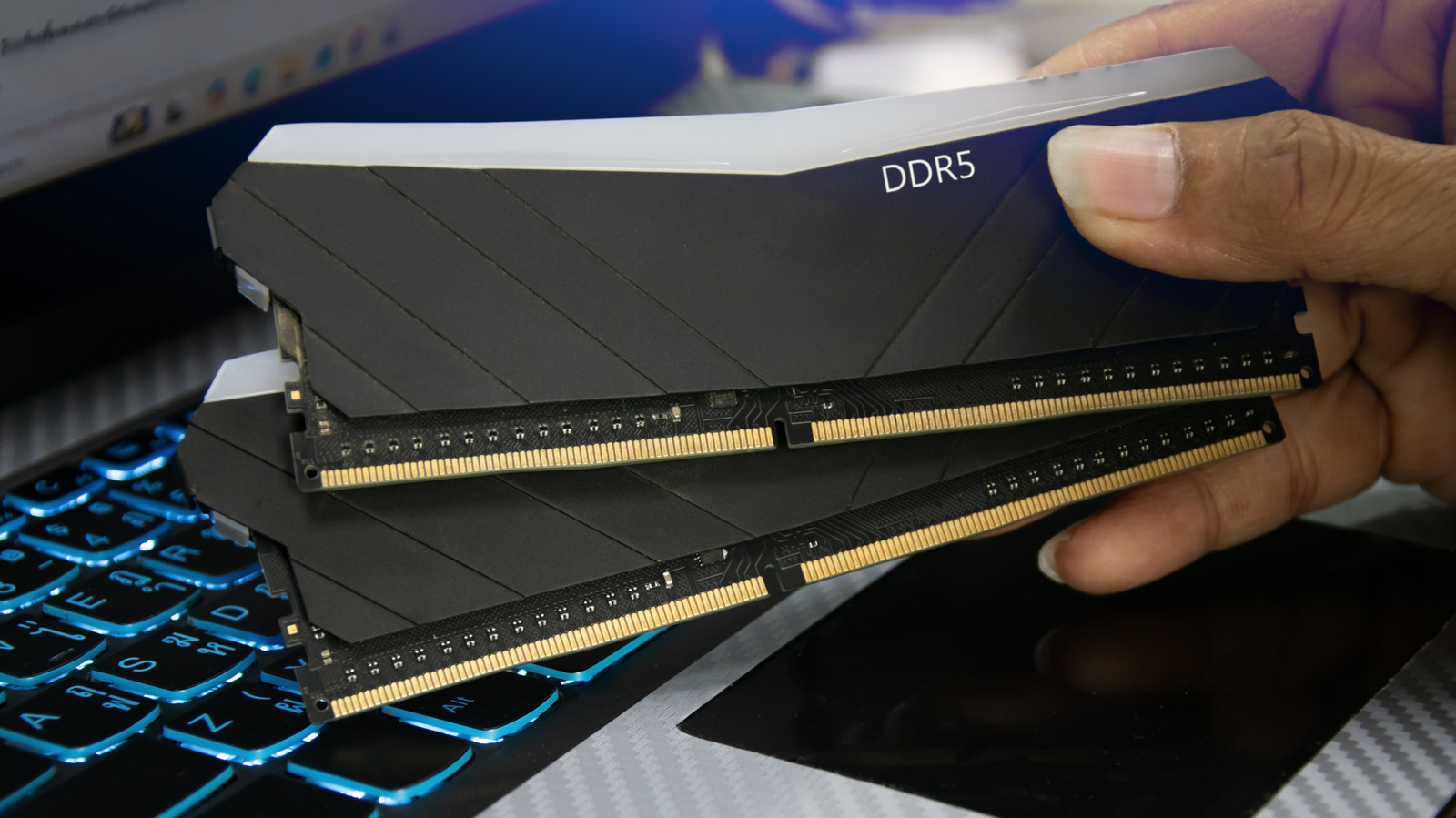
Owners of aging computers may find that keeping the memory they already have matters more than ever, because replacing it could become prohibitively expensive, according to a Hardware Desk analysis. The same pressure applies to buying or upgrading to a whole new machine. Intel, for instance, is stepping back to support the cheaper DDR4 memory standard even as DDR6 approaches. On durability, the outlook is reassuring: RAM will most likely outlast the PC it was bought for, however many years away a replacement may be. Whether users will put up with the slower performance of older modules is a separate question, since PC applications keep raising their demands.
How much wear the memory actually sees depends on the workload. A machine used mainly for browsing, email, streaming and light gaming places little stress on its RAM. Systems running hours of video editing, AI processing or photorealistic 3D gaming push memory to its limits. Every read and write draws electricity that produces waste heat, and that heat gradually degrades the memory's circuitry.
Overclocking pushes things further. Raising memory performance past its rated specifications can drive heat beyond the tolerances the modules were designed for, at least without added cooling. Surrounding conditions matter too, including heavy heat output from the CPU and GPU or inconsistent voltage. There is also the chance of near-random failures such as static shock, which makes proper grounding of the PC important.
The decisive factor is the relationship between RAM and CPU performance. Motherboards built for the newest CPU sockets are generally designed around DDR5 memory and will not accept DDR4, much less DDR3. Choosing a DDR4-compatible board can sharply cap CPU speed unless a buyer specifically seeks out one of the recent options, such as Intel's, created to work around the memory shortage.
The practical upshot for US buyers is that remaining on the cutting edge may require changing the type of memory in use well before the installed memory wears out. Five years can be an eternity in PC evolution, and 10 or more even more so. Only users who subject their systems to sustained heavy workloads or aggressive overclocking should be seriously concerned about sudden failure.
For most households, the memory inside the current PC will probably remain functional until the machine itself is replaced. The constraint is more likely to be compatibility and performance than outright breakdown. That distinction leaves ordinary users with little reason to fear imminent memory death, while enthusiasts running demanding workloads face the greater risk.
More hardware news from TechManNews.