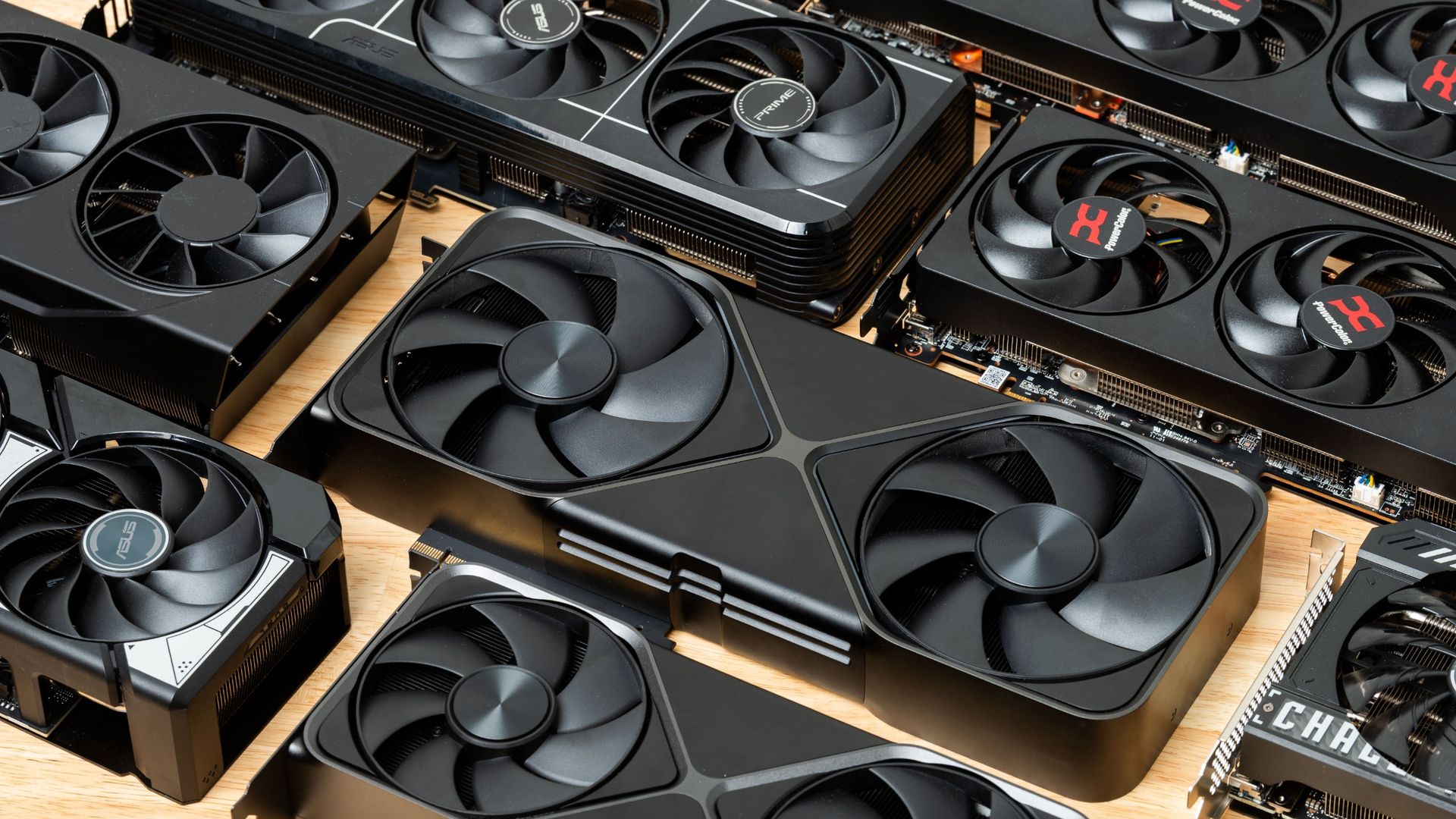
Rising memory and silicon prices are pushing graphics card costs higher, and that is changing how long US consumers hold onto the GPUs they already own. The Nvidia GeForce RTX 5070, the most popular card in the latest Steam hardware survey with a 6.15 percent share of surveyed systems, launched at $549 and can now cost more than $800. Higher prices are likely to extend the typical upgrade cycle, since more people will keep using their current cards for longer.
For owners who have outgrown a card, the used market remains an option with real returns. An eBay search at the time of writing showed some used RTX 3060s selling for almost as much as they originally cost. Even the 10-year-old GTX 1060, which launched at $249, is typically listed at $50 to $100 in good condition, though those figures fluctuate.
An old card can also be put back to work in a home media server, where Nvidia's NVENC or AMD's AMF can handle hardware-accelerated video encoding and decoding. Both Jellyfin and Plex support hardware-accelerated streaming, so a retired GPU can convert video codecs in real time and take that load off the processor.
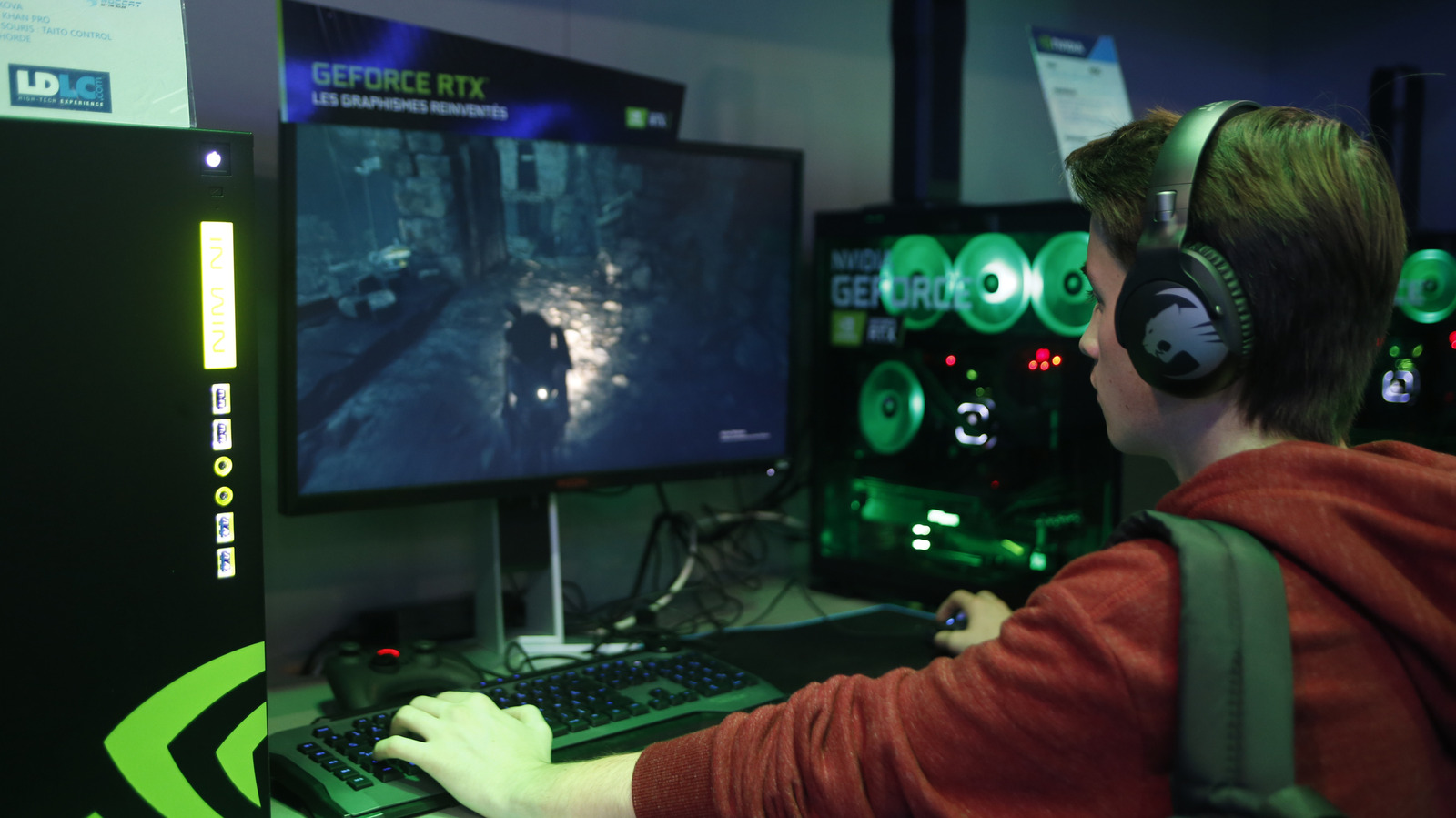
Another route is a TV-connected PC that doubles as a gaming console. State-of-the-art performance is not required for light indie games or emulation, and older hardware can sometimes work better with past releases built for older standards. Such a machine can run titles built on legacy code libraries or DirectX 9-era games, or provide extra HDMI and DisplayPort connections for additional displays.
Dropping the card into a spare slot in a main PC to run legacy software can work if there is enough power and ventilation, but dual-GPU setups carry caveats. The power supply and motherboard must support two cards, and PCIe lane limits can come into play. If the processor uses lane splitting, a second card can degrade the primary GPU's performance, so checking the motherboard manual before committing resources is advised.
Gamers have further options: running Lossless Scaling, which costs $6.99 on Steam, on the old card as support for the new one, or using it to capture in-game video while the primary GPU runs the game. A separate PC could handle video capture, video encoding and editing tasks in DaVinci Resolve or Blender, and the card can also serve local AI workloads, which rely heavily on VRAM.
Keeping the card as a spare in case of failure is an option for those with no other use in mind, though the resale money it could bring will drop over time, and it should be stored safely in an antistatic bag. Cards should not go in the trash under any circumstances. E-waste recyclers will break them down, and even an irreparable card contains gold, copper and aluminum with value somewhere, making recycling a better outcome than a landfill.
More hardware news from TechManNews.