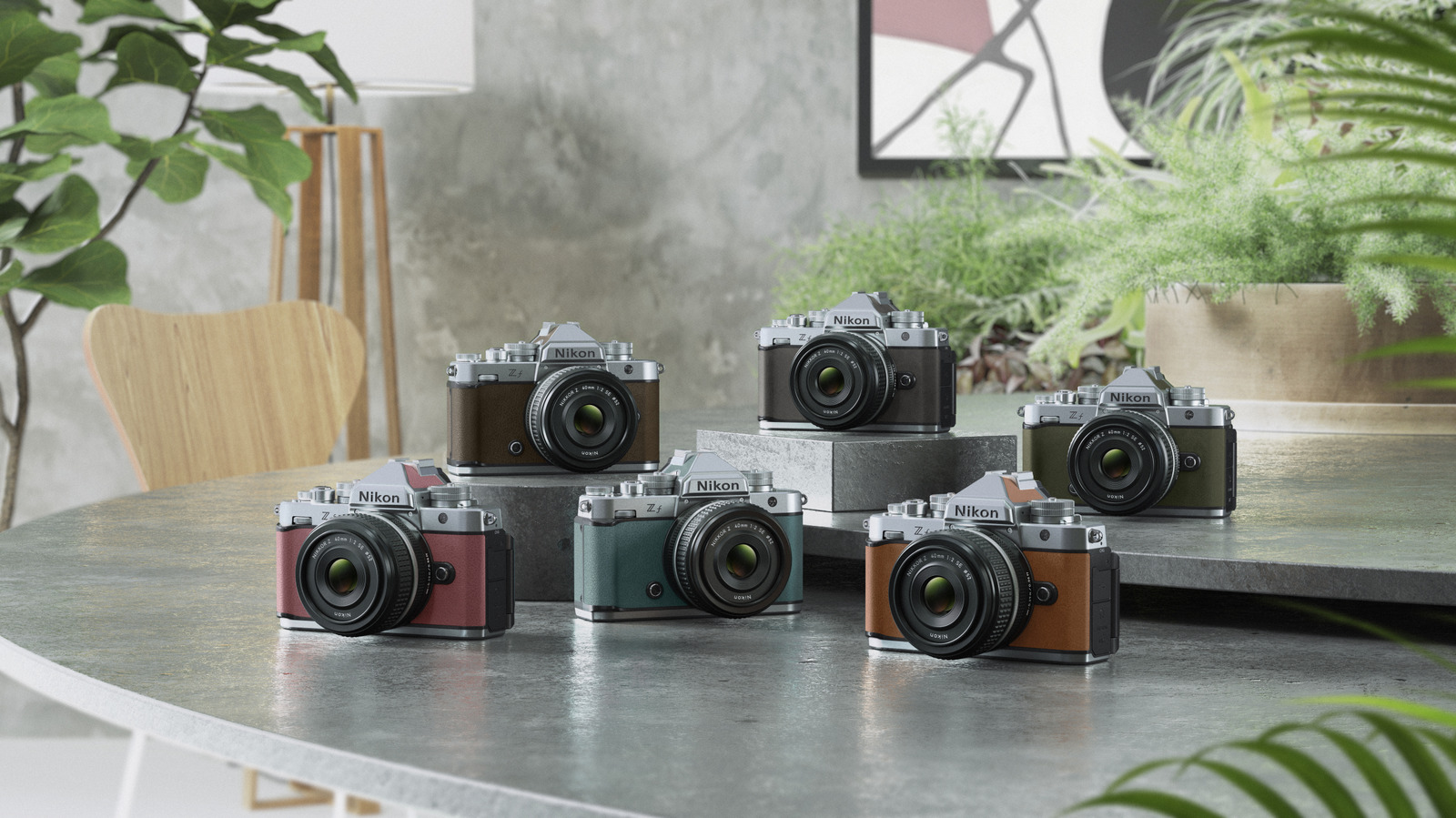
Digital cameras remain a worthwhile purchase in 2026 for people who want more control and higher image quality than a smartphone provides, according to a recent assessment of the current market. The category spans compact point-and-shoot models with fixed lenses up to high-end mirrorless cameras with interchangeable lenses, and each tier offers capabilities beyond what a phone camera can do. For most consumers, a quick snapshot from a smartphone is sufficient, but those seeking more depth, control, or intention in their photos will find digital cameras a better fit.
The main barrier to entry remains price, though budget options exist. Canon’s EOS R100, priced around $500, is comparable to a smartphone in cost but delivers noticeably better photos because of its larger sensor. For buyers without a spending limit, the range of available cameras is extensive, allowing photographers to craft a specific image. Before purchasing, the report suggests asking whether there is a specific need that a smartphone cannot meet, as phones handle most everyday situations well.
Modern mirrorless cameras, such as Sony’s A7R VI, are highlighted for high-resolution shooting in low-light or ultra-bright conditions, suitable for fast-paced events or sweeping landscapes. For a more compact option, Sony’s RX10 V features a 24-600mm optical zoom lens, useful for group shots or distant wildlife. Action cameras like GoPro’s Mission 1 Pro are built for extreme sports, while Sony’s ZV-E1 offers an articulating display and auto-framing to simplify vlogging.
Sensor size is one of the biggest advantages digital cameras hold over smartphones, enabling far more detail and greater leeway for cropping. Digital cameras also give users more control over the final look of a photo, allowing intentional darkness for negative space or motion blur in tracking shots. Smartphones do much of the editing work automatically, but digital cameras leave that freedom to the photographer. Some modern phones, such as the iPhone with Portrait Mode and apps like Halide, offer advanced features, but they do not match the range of manual options on a dedicated camera.
However, there are notable downsides. High-end mirrorless cameras can cost around $5,000, and lenses often cost even more than the camera body itself. Fixed-lens options like Canon’s PowerShot or Sony’s RX100 series still run several hundred dollars. The workflow after shooting is also more involved, requiring offloading files from a memory card to a computer and adjusting many sliders in editing software. Carrying a separate camera is also a burden compared with a smartphone that fits in a pocket.
For photographers willing to invest the time and money, a digital camera is a first step into a rewarding hobby, but the effort required is real. The source article concludes that digital cameras are still worth buying, provided the user is ready to put in the work to get better photos than a smartphone can produce.
More gadget news from TechManNews.