The four stories on this desk share one thread: the AI economy has moved from promise to bill-paying. Capital is being raised and spent at extraordinary scale, while the companies that must absorb those costs are cutting, slowing, or being repriced. The direction of the money, not the size of the announcements, is the story.
Capital Concentrates at the Picks and Shovels
Start with where the largest checks are still clearing. As TechCrunch reported, Fal, a five-year-old AI inference startup, raised a $1.3 billion round led by Bessemer and doubled its valuation to $16 billion. Inference is the business of running models rather than training them, and the round's size and the doubling of the valuation say plainly that investors see durable demand there.
That is a meaningful signal about where private capital believes value sits in 2026. The gap between training frontier models and serving them has become its own industry, and the market is paying for the serving side. For US technology companies, it means the competitive fight is increasingly over the infrastructure that makes AI cheap and fast to operate, not only over who builds the most capable model.
But a $16 billion valuation for a five-year-old company also sets expectations that must be met by revenue. When the money goes toward operating AI rather than experimenting with it, buyers become harder to impress and slower to close.
The Demand Signal Is Not Uniform
Palantir's quarter is the counterweight. As TechCrunch reported, the company delivered what its press release called numbers that were crushing consensus expectations, yet the stock traded slightly down the next day because enterprise sales, its big growth area, showed signs of slowing. The gap between a headline beat and a muted share reaction is the market telling companies something specific: growth quality matters more than growth volume.
For US enterprise software vendors, that is a warning about how AI revenue is judged. Buyers who signed pilots last year are now being asked to renew at scale, and those renewals are where forecasts meet reality. If enterprise sales slow even at a company reporting huge results, the same scrutiny will reach smaller vendors without Palantir's balance sheet. The lesson is not that AI demand is evaporating; it is that the market has stopped paying for enthusiasm alone.
Buyers Are Consolidating Security Spend
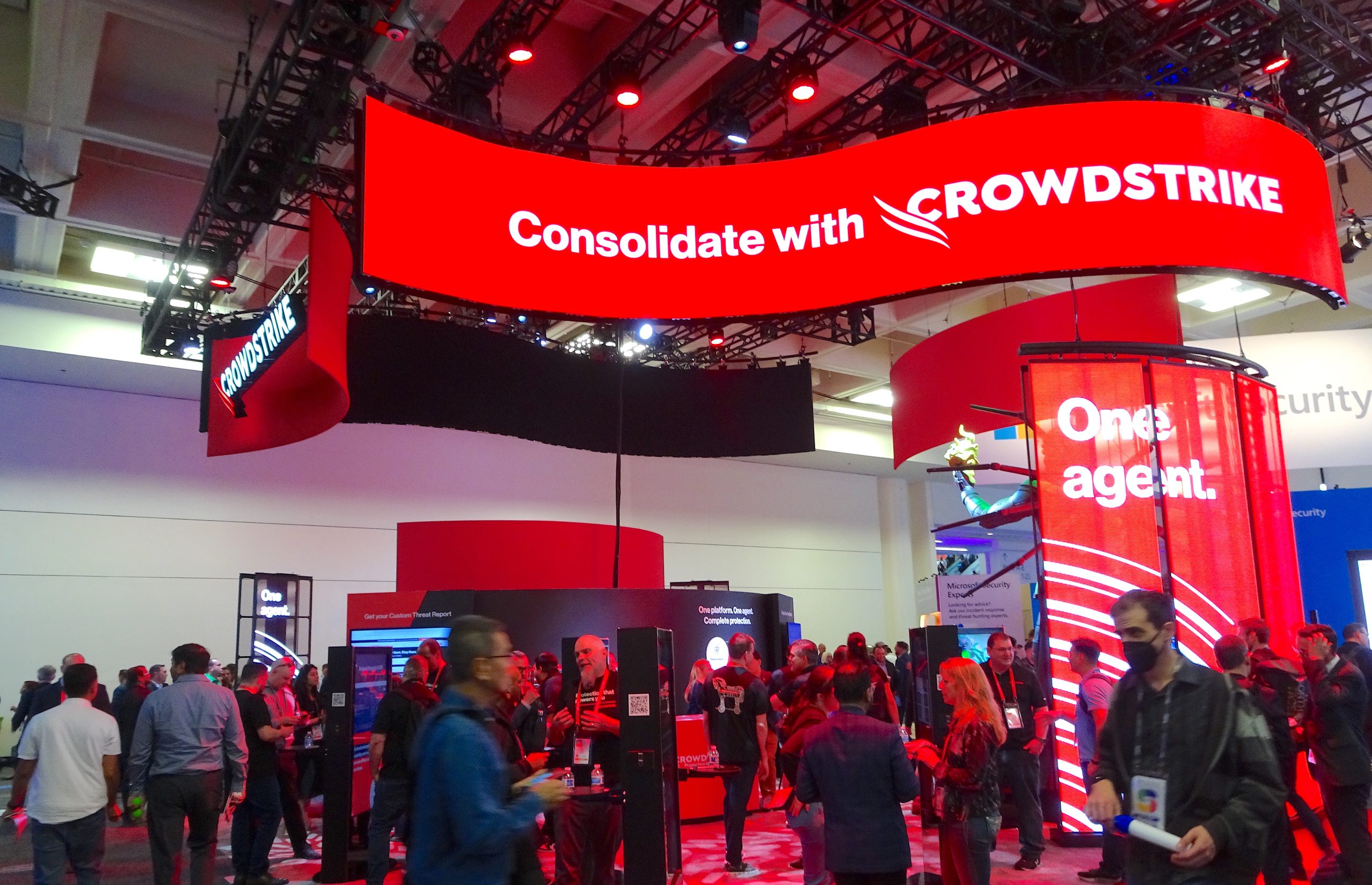
CrowdStrike's disclosed plans to acquire Fiddler AI and Dreadnode, reported by SiliconANGLE at a reported $495 million per The Wall Street Journal, fits the same pattern. The two startups specialize in securing AI agents, and the deals were announced alongside an update to CrowdStrike's Falcon Guardian product. Large platform vendors are absorbing point solutions rather than letting customers assemble them.
For the US market, this compresses the exit path for AI security startups. A few years ago, a niche AI security company could expect a standalone growth story; now the likeliest outcome is acquisition by a platform that already owns the customer relationship. That is efficient for buyers, who get AI protection inside tools they already run, and sobering for founders, who face a narrower set of buyers and more pressure to prove a differentiated product before the window closes.