The smartphone industry's most persistent conflict is no longer about hardware. It is about who decides what runs on the device after purchase, and three recent stories show that fight playing out simultaneously on three fronts: advertising, peripheral hardware, and built-in security. Xiaomi's ad-heavy software, Voicemod's clip-on voice changer, and Samsung's Auto Blocker all describe the same tension between the platform owner's interests and the owner's interests. For US consumers and the US companies that sell to them, that tension is becoming a central product question rather than a footnote.
The Default Is the Battleground
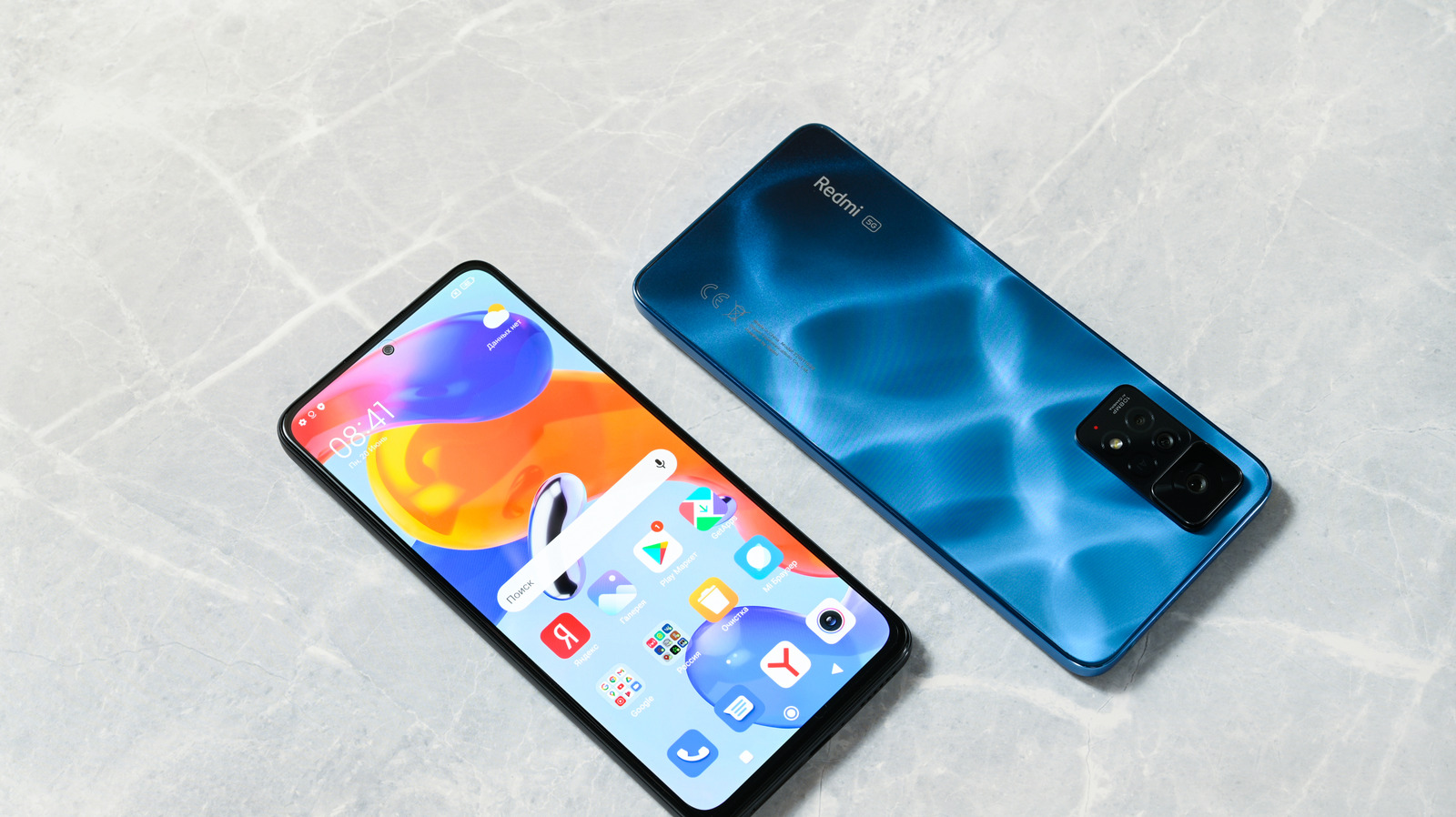
Engadget's explanation of why Xiaomi phones carry so many ads makes the mechanism plain: the ads exist because the software layer is a revenue channel, not merely a cost of doing business. The same report also notes that users can remove the ads, which is the important detail. The nuisance is not an unavoidable property of the hardware. It is a set of defaults that someone chose and that someone else can reverse.
That distinction matters because defaults are where platform economics live. Most buyers never change them, so a company that ships with promotional placements captures attention and revenue from the entire installed base, not just the users who opt in. The users who do opt out absorb the effort. Engadget frames its coverage around the practical question of how to block the ads, which is a tacit acknowledgment that the burden has been shifted onto the customer. A phone that requires a cleanup exercise after unboxing is a phone whose manufacturer has decided that the buyer's time is a resource to spend.
The Veto Nobody Voted For
Samsung's Auto Blocker, as Engadget describes it, protects Galaxy phones from security threats but comes with drawbacks, and the coverage advises users on what it does and when they might want to turn it off. That is a familiar shape for a platform control: a protective default that also constrains what the user can do. The stated purpose is safety. The side effect is that Samsung, not the owner, decides which software is trustworthy enough to install.
This is the same lever as the Xiaomi ad system, pulled in the opposite direction. Xiaomi uses its software layer to push content toward the user. Samsung uses its software layer to push content away. In both cases the platform owner sits between the owner of the phone and the software that owner might want. The difference in intent is real, and security is a legitimate reason to intervene. But the structural fact is identical, and Engadget's guidance that users may want to disable the feature confirms that the trade-off lands on the customer to evaluate.
Third Parties Are Building Around the Wall
Voicemod's new gadget, which CNET reports clips to the back of a phone and converts the user's voice on the fly for mobile games and streaming, is the clearest illustration of what happens when platform software is contested. Rather than integrating deeply into the phone's own software stack, the company built a separate piece of hardware. The stated benefits are fun, privacy and accessibility, and the product exists because there is demand for voice modification that the platform does not natively provide.
A clip-on accessory is a workaround for a software environment that third parties do not control. That has consequences for US hardware startups in particular. Building a physical product means tooling, inventory, distribution and support, all of which are more expensive and slower than shipping a software feature. Companies take that route when the software route is closed, unreliable or subject to a platform owner's approval. The result is a mobile ecosystem where capability arrives as plastic rather than as an update, and where the consumer pays for a separate device to do something the phone's own silicon could theoretically handle.