The week's news on this desk shares one thread: capital in the AI economy is flowing toward a very small number of very large bets, and the fortunes of everyone in the chain now hinge on a handful of counterparties. Tenstorrent's $1.5 billion raise, Microsoft's cancellation of a UK data center deal that threatens Nscale's IPO plans, and Elon Musk's pledge of SpaceX shares to American children all describe a market where scale is the entry ticket and dependence on a few giants is the price. For US technology companies, that concentration cuts both ways: it funds ambition fast, and it transmits shocks just as fast.
The Bet on Nvidia Alternatives
Tenstorrent Inc. raised a $1.5 billion Series E round jointly led by Trace Capital and Innovation X, with new and existing backers participating, as SiliconANGLE reported. The company is positioning itself as an alternative to Nvidia Corp.'s graphics processing units. The size of the round, described as late-stage, is the signal: investors are willing to write very large checks to anyone who can plausibly offer buyers a second source for AI compute. That is partly a bet on the technology and partly a bet on the fear of depending on a single supplier. Either way, it is a scale game. Building competitive AI hardware requires sustained spending on design, software and manufacturing relationships, and the round suggests backers believe only a well-capitalized challenger can stay in the race.
Concentration Cuts Both Ways
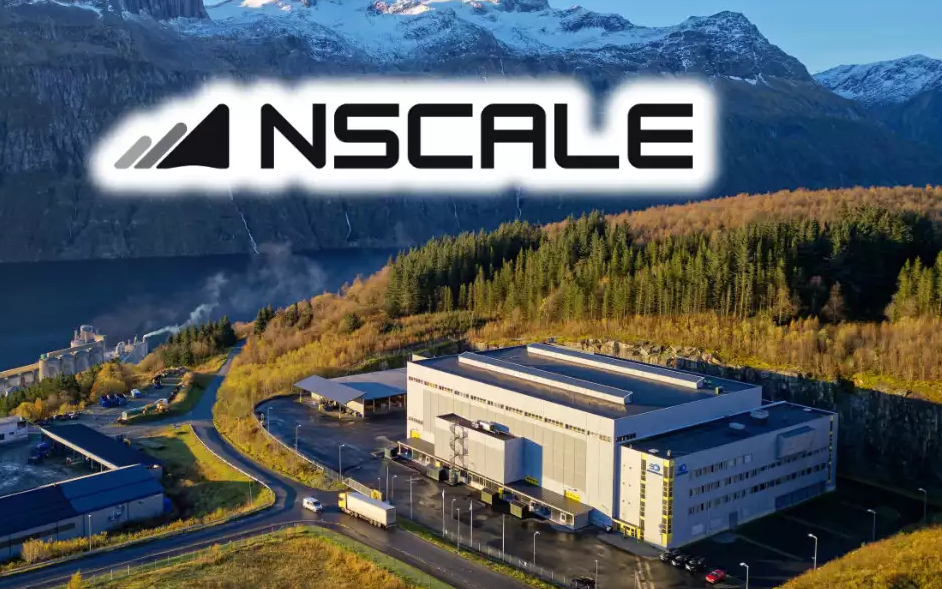
The other side of that logic appeared in the same news cycle. Nscale Global Holdings Ltd., a British neocloud startup, saw its planned US IPO suffer a massive setback after Microsoft Corp. pulled out of a critical data center deal this weekend, according to SiliconANGLE's account of a Telegraph report. Microsoft terminated an agreement to rent AI infrastructure. The lesson is blunt: a startup can have a credible public-market story and still see it wobble when one large customer changes course. The GPU challengers and the cloud operators are both dependent on a small set of hyperscalers whose procurement decisions are made on their own timelines. When those decisions change, the effects arrive quickly, and they land on companies that were counting on the relationship to justify their valuations.
Who Bears the Risk in the Buildout
The two stories together describe a buildout where risk is being redistributed rather than reduced. Tenstorrent's backers are taking on technology and execution risk in exchange for a shot at the AI hardware market. Nscale's investors and prospective public shareholders are taking on customer-concentration risk, which just became concrete. In both cases, the deep-pocketed buyer or partner holds the leverage. That pattern matters for US markets because it shapes which companies can access public capital. If the IPO window is sensitive to single-customer news, late-stage private money becomes the main route for AI infrastructure firms, and the returns on those private bets get settled later, often in public markets. The concentration does not disappear at the IPO; it gets repriced.